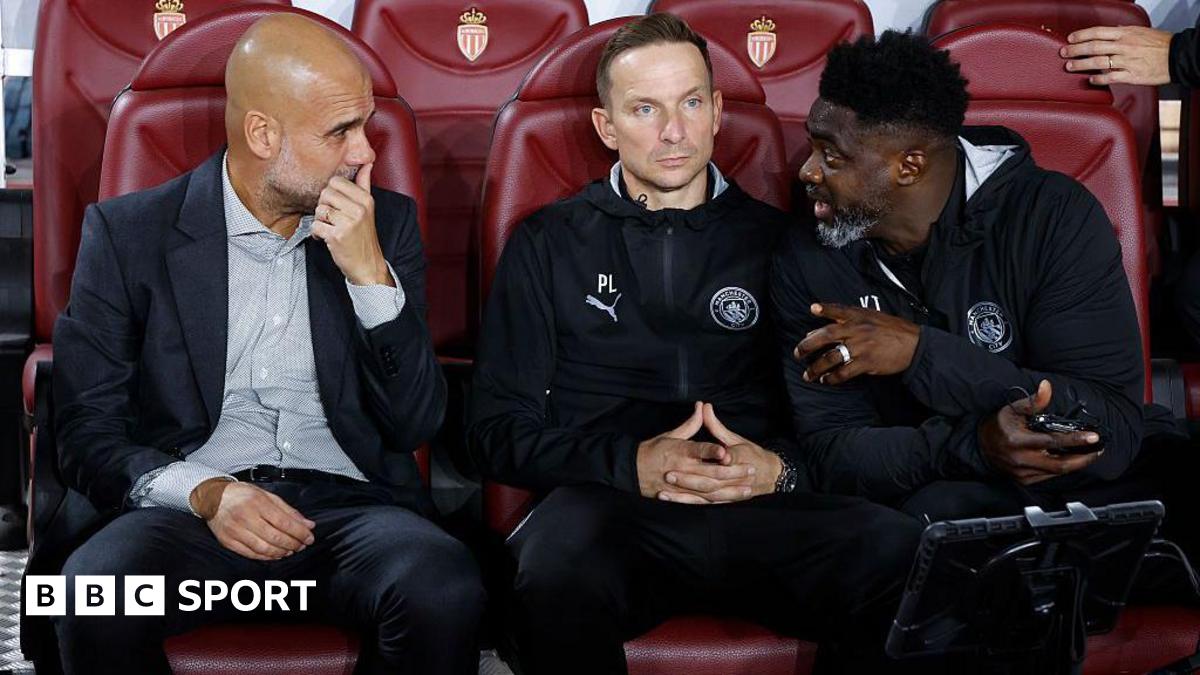
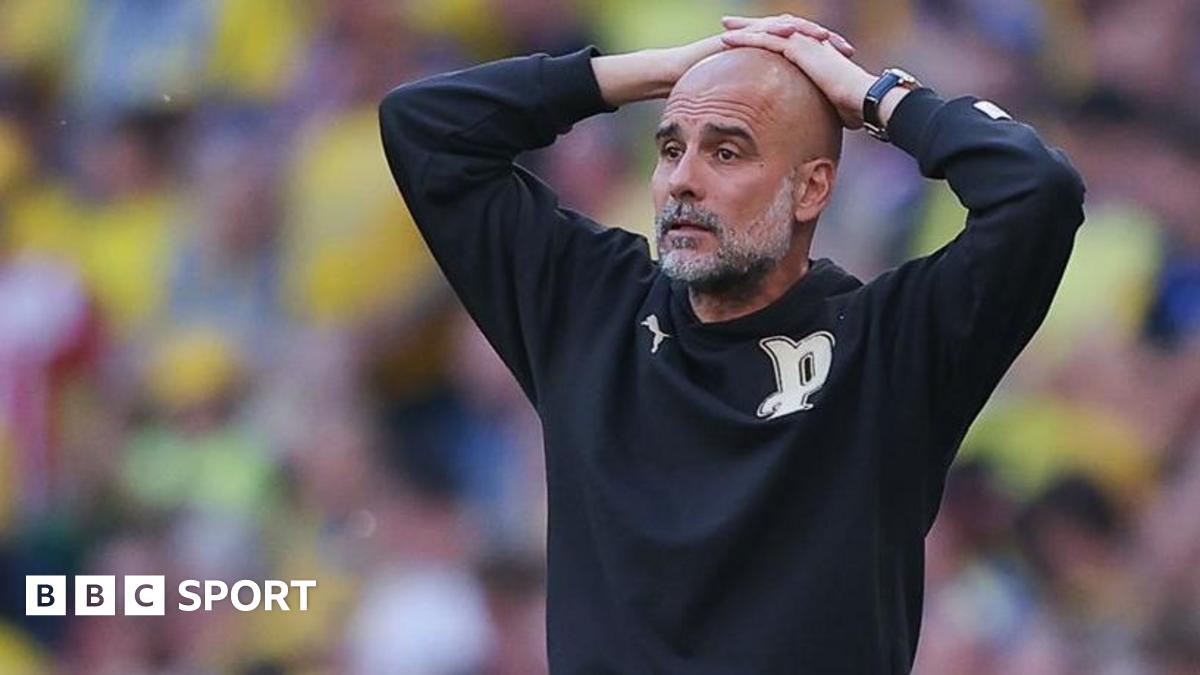
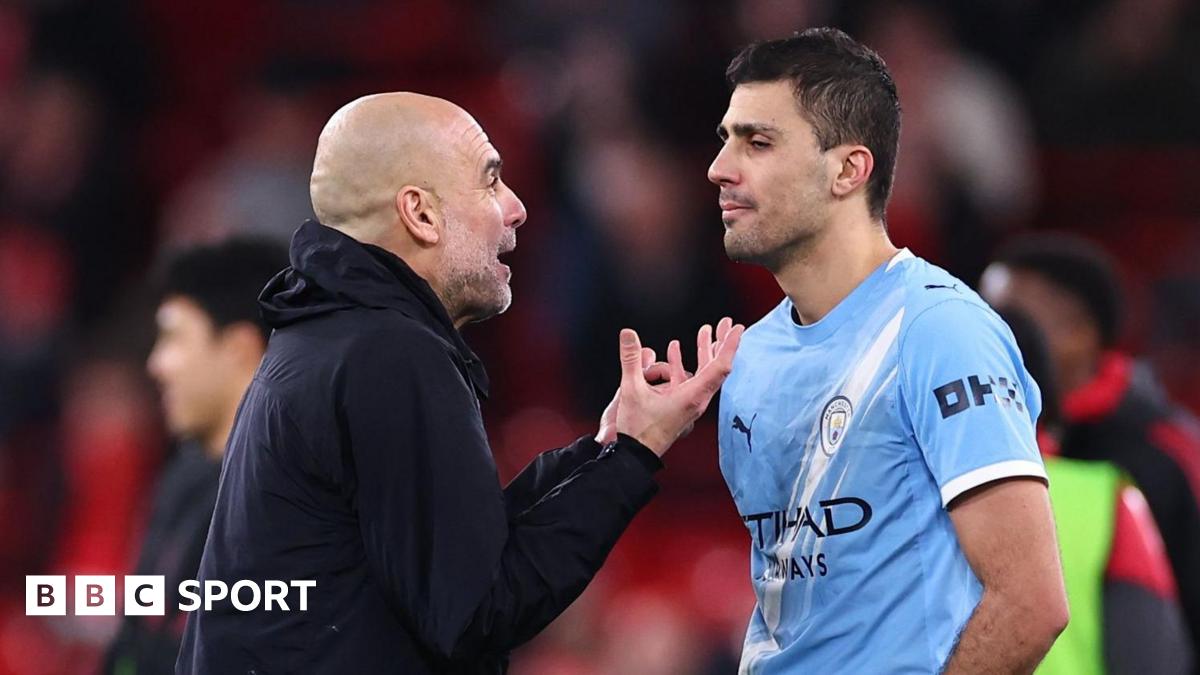
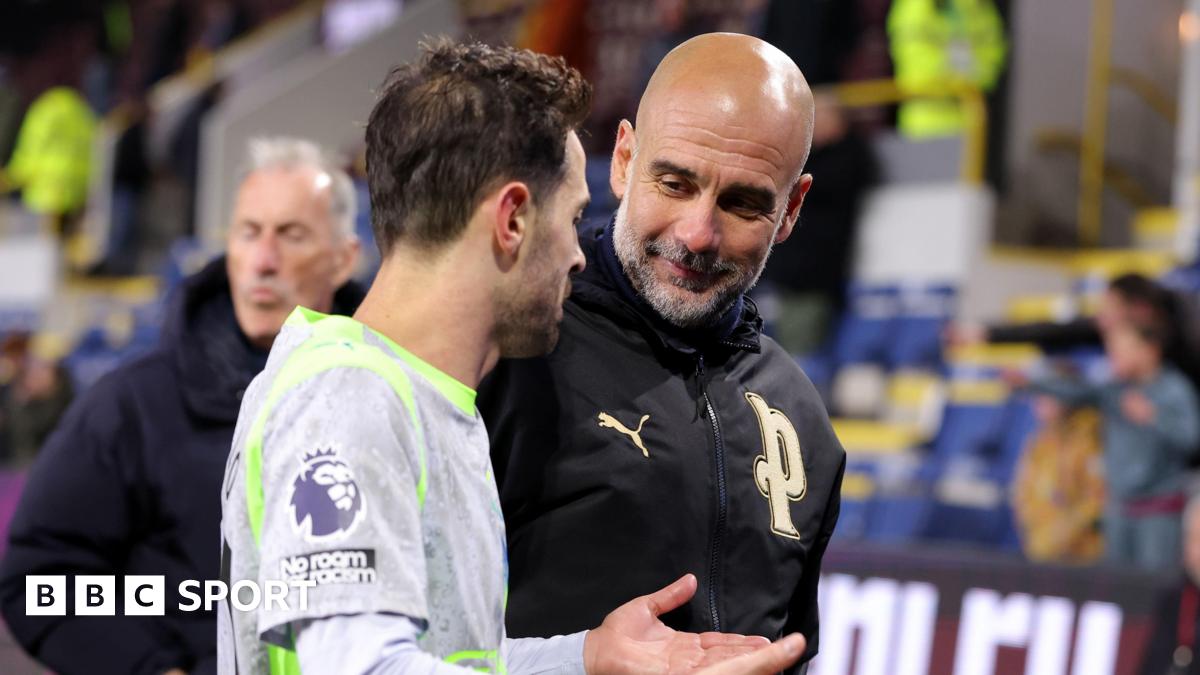
The clinical calm of the Etihad inner sanctum
Eleven days remain until the first leg of the Champions League semi-finals. For most managers, this is the period of sleepless nights and frayed nerves. For Pep Guardiola, it apparently involves soft music and the scent of expensive candles.
Antoine Semenyo recently gave us a rare look behind the curtain of Manchester City's tactical laboratory. While the public sees the frantic pacing on the touchline, the reality of the manager's office is far more curated. Semenyo noted the welcoming office habits that define the City environment, right down to the specific atmosphere Guardiola creates for his players.
There is a calculated duality here. The soft music serves as a buffer for the intense, often grueling tactical sessions that follow. Guardiola isn't just managing a squad; he is managing the cognitive load of elite athletes who are asked to process more information than any other team in world football.
The ban on the long throw
Perhaps the most revealing detail from Semenyo’s testimony is Guardiola’s absolute prohibition of the long throw. In an era where some clubs employ specialist throw-in coaches to maximize set-piece chaos, Pep has gone the opposite way. At the Etihad, the long throw is effectively extinct.
This isn't an aesthetic choice. It is a mathematical one. A long throw is essentially a 50/50 aerial duel that triggers a second-ball scramble. For a manager who demands 65 percent possession as a baseline, chaos is the enemy. By banning the long throw, Pep ensures that every restart is a controlled entry into his established passing circuits.
It is this level of micro-management that makes City both a juggernaut and, occasionally, its own worst enemy. When you eliminate randomness, you also eliminate the 'Plan B' that often saves matches when the primary system stalls. We have seen this rigidity backfire before, most notably when the stakes are at their highest in late April.
The Fernandinho legacy and the 2021 ghost
As City prepare for their latest European assault, the shadow of the 2021 Champions League final still looms. Fernandinho, the man who arguably defined the pivot role before Rodri, recently reflected on that night in Porto. It remains the ultimate example of Pep's tactical over-calibration.
Fernandinho was left out of the starting lineup in favor of a more expansive, striker-less system. The result was a loss of structural integrity that Chelsea exploited. In a recent interview with the Daily Mail, the former captain revealed the fascinating dynamic he shared with his manager.
I told Pep - you do the tactics, I'll take care of the players.
That sentence explains why City functioned so seamlessly for years. Fernandinho provided the emotional scaffolding that allowed Guardiola to obsess over the X and O patterns. Without that human buffer, Pep’s tactical demands can sometimes become a weight too heavy for the squad to carry in high-pressure moments.
The evolution of the midfield anchor
The impact Fernandinho had on Rodri and Bernardo Silva cannot be overstated. He wasn't just a destroyer; he was a teacher of the 'tactical foul' and the subtle art of recycling possession. Rodri has since evolved into a more prolific version of his mentor, but he lacks the raw leadership Fernandinho brought to the dressing room.
City’s current success depends on whether Rodri can maintain that 92 percent pass completion rate under the intense pressing they will face on April 28. If the structural discipline slips, the entire machine grinds to a halt. The fear for City fans is that Pep might once again decide that the semi-final is the right time for a radical experiment.
The Haaland paradox and the gravity of movement
Erling Haaland continues to be the most misunderstood player in the Premier League. The criticism regarding his lack of touches is a fundamental failure to understand modern spacing. Antoine Semenyo has stepped up to defend his teammate, pointing out what the cameras often miss during the ninety minutes.
Haaland doesn't just score; he occupies territory. By standing between two center-backs, he effectively pins them back 10 yards further than they want to be. This creates the 'half-space' pockets that Kevin De Bruyne and Phil Foden exploit with such lethality.
When Haaland has a game with only 12 touches, people call him a passenger. In reality, he is the anchor of the offensive structure. His constant diagonal runs force defenders to constantly re-adjust their body shape, a physically and mentally exhausting task that usually leads to a defensive collapse in the 75th minute or later.
Egos and the Messi-Ronaldo distraction
While City focus on the collective, the wider football world remains obsessed with individual narratives. Gary Lineker recently noted that Cristiano Ronaldo unfollowed him because of his public preference for Lionel Messi. It is a reminder of the massive egos that often disrupt the very systems Guardiola tries to build.
Ronaldo represents the antithesis of the Guardiola model. He is an individual who requires the system to serve him. City, conversely, is a system that requires the individual to disappear into the collective. This is why City have moved away from 'superstar' signings that don't fit the pressing triggers.
Even Haaland, for all his goals, has been forced to adapt. He is now part of the pressing trap, a development that Semenyo insists is visible to anyone watching the player closely. The days of the static poacher are over at the Etihad; you either run for the team, or you sit in the scented office and listen to the music.
A critical look at the tactical rigidity
Despite the dominance, there is a legitimate concern regarding City’s predictability. Every team in Europe knows exactly how City will build out from the back. They know the 3-2-2-3 shape they will adopt in possession. They know the 4-4-2 block they will use when defending.
The only thing that changes is the personnel. By removing all elements of surprise—including the long throw—City have become a solved puzzle. They simply bet that you aren't disciplined enough to stay solved for 90 minutes. It is a high-stakes gamble that requires near-perfect execution every single week.
If a team manages to disrupt that rhythm early, City often struggle to adjust. We saw it against Real Madrid in previous seasons, and we see it whenever a mid-table side manages to bypass the first press with a long, direct ball. Pep’s refusal to allow his players to 'go long' can sometimes feel like a self-imposed handicap.
What to watch for on April 28
When the Champions League semi-final kicks off, watch the first five minutes of City’s build-up. If they are playing out through the middle despite a high press, they are confident in the system. If you see Ederson bypassing the midfield and aiming for the wings, Pep has identified a weakness in the opposition's horizontal compactness.
The key battle will be in the transition. City are vulnerable when they lose the ball in the central third, particularly if Rodri is caught ahead of the ball. The lack of a true defensive specialist like Fernandinho means they rely entirely on their positioning to prevent counter-attacks.
- Watch the distance between the two center-backs when City have the ball in the final third.
- Look for the 'box midfield' shape that allows Foden to drift inside.
- Monitor Haaland’s movement toward the near post to drag defenders away from the penalty spot.
The final verdict
Manchester City are favorites for a reason. They have the most sophisticated tactical framework in the history of the sport, led by a manager who has refined his methods to the point of obsession. The addition of players like Semenyo and the continued evolution of Haaland suggests the machine is only getting more efficient.
However, the Champions League is not won by machines. It is won by moments of individual brilliance and, occasionally, a bit of the chaos that Guardiola so desperately tries to banish. If they can avoid the 'overthinking' trap that Fernandinho alluded to, they should progress.
Expect a calculated, suffocating performance in the first leg. City won't take risks. They will aim for a 1-1 draw or a narrow 1-0 lead to take back to the Etihad. They are playing the long game now, and in the long game, the house usually wins.
Prediction: Manchester City will dominate the ball, ignore every opportunity for a long throw, and leave the first leg with a result that makes the second leg feel like a formality. It won't be pretty, but it will be precise.
Read Next
- Arteta is risking everything by abandoning his Cruyffian roots at the Etihad
- Arsenal finally have the tools to break the Etihad curse
- Why Sunday's City vs Arsenal clash will decide the title
- Nine years of Bernardo: Why City can't replace the ultimate tactical chameleon
- ⭐ UCL 2026 — Champions League Quarter-Finals Hub