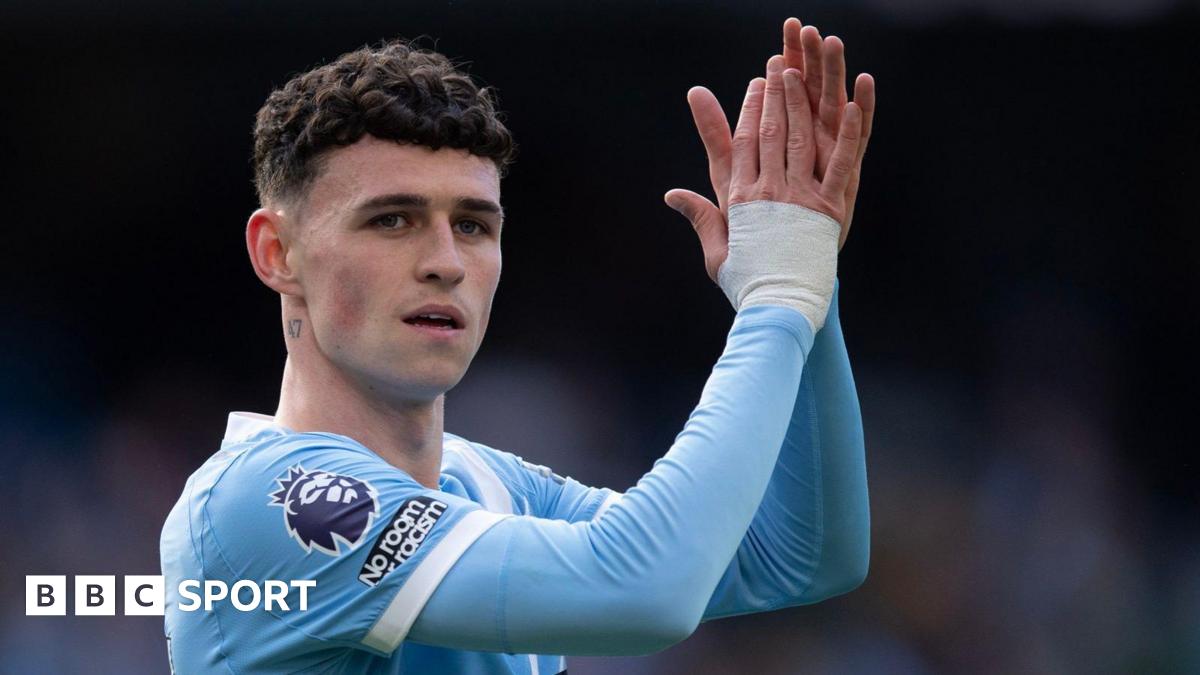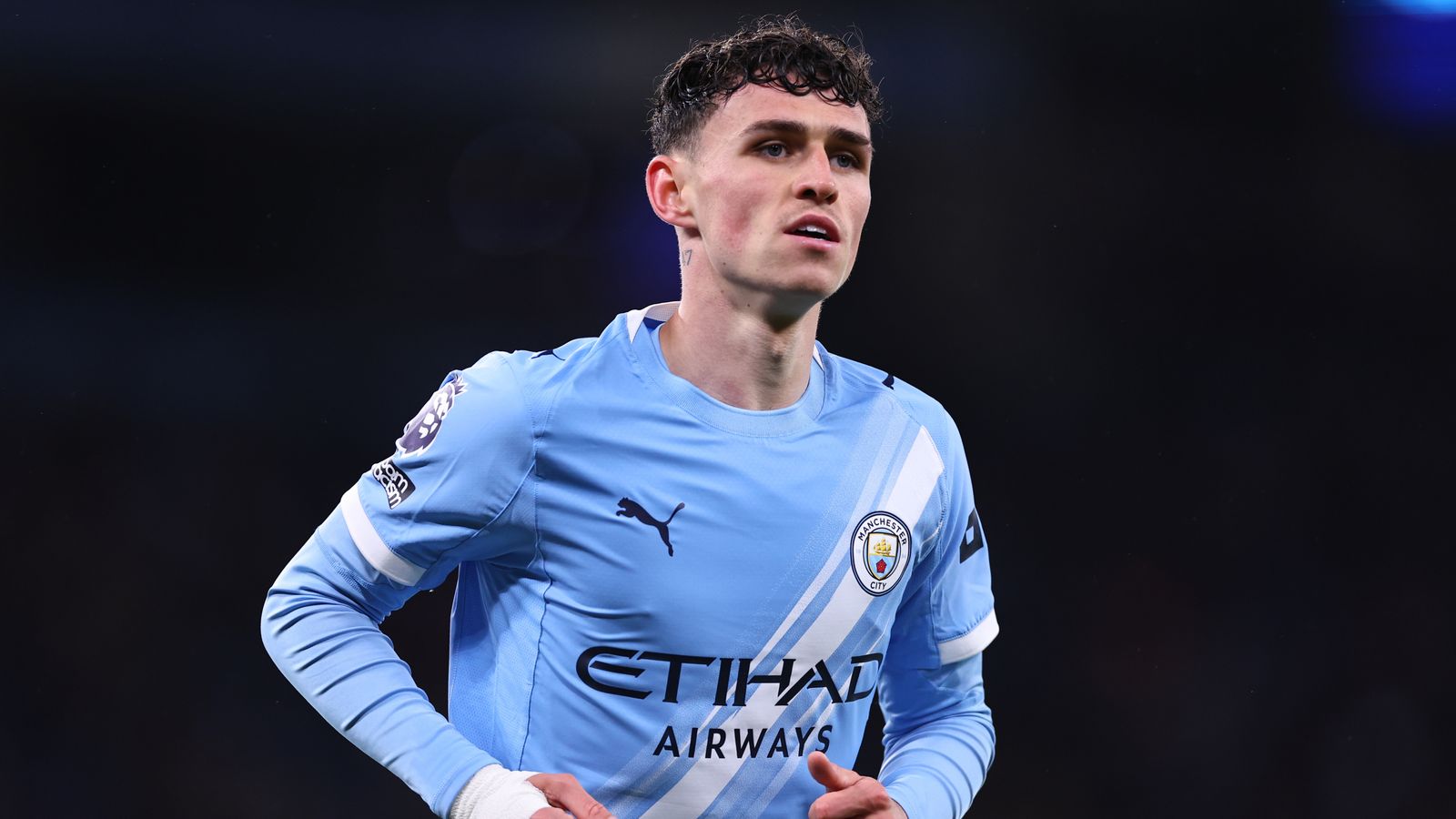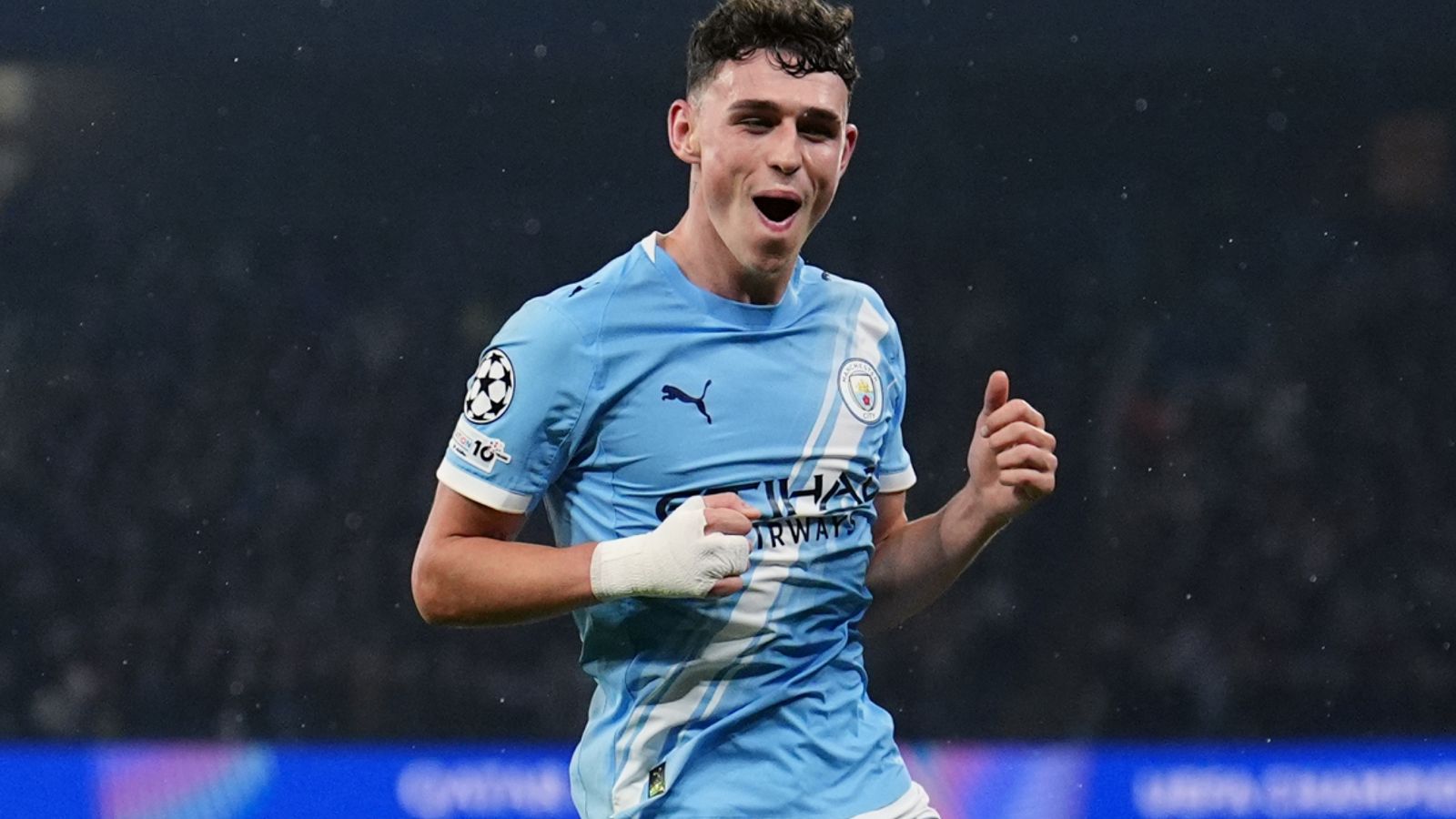
The quiet end to City's biggest headache
Manchester City rarely let things get messy. While other top clubs allow contract negotiations with key players to become media spectacles, the operation at the Etihad operates with cold detachment. The news that Phil Foden has agreed terms on a new four-year deal is the least surprising development of the year.
He was approaching the final twelve months of his current contract. Panic never set in. According to what Sky Sports reported, Foden has now committed his peak years to Pep Guardiola's ongoing project. This isn't just about securing an academy graduate. It is the definitive step in a succession plan playing out in front of us for three seasons.
We are watching the official handover of the keys to the kingdom. Kevin De Bruyne's physical decline forced City to evolve. Foden is no longer the explosive winger instructed to hold the width on the left flank. He is the central node of the most sophisticated attacking machine in Europe.
Mapping the tactical shift
To understand the significance of this four-year deal, look at where Foden receives the ball. Two years ago, his touch map was heavily concentrated hugging the touchline. He was a weapon used to stretch the pitch, isolate a full-back, and create cut-back opportunities. Guardiola valued his ball retention in wide areas above all else.
That version of Foden is gone. The player signing this contract is a completely different tactical entity. He now operates almost exclusively in the right half-spaces. He receives the ball on the half-turn, positioned perfectly to either slide a pass through to Erling Haaland or cut inside onto his stronger left foot. It is a subtle shift, but one that completely alters the geometry of City's attacks.
When De Bruyne plays, the dynamic feels forced. De Bruyne wants to cross from deep. Foden wants to combine through the middle. There is a reason City have often looked more fluid when Foden is the undisputed central playmaker. He dictates the tempo. The ball sticks to his feet in congested areas, drawing two or three defenders before he releases the pressure valve.
The visual evidence is striking. Watch City build from the back. Opposing midfields are terrified of Foden finding space between the lines. They compress the pitch, effectively abandoning their wide pressing triggers. This opens massive passing lanes for City's center-backs to step into. Foden doesn't even need to touch the ball to manipulate the opposition's defensive structure.
The spacing problem and the negative transition
However, it hasn't been a flawless transition. Foden's desire to be involved constantly can actually ruin City's overall shape. When opponents drop into a compact low block and deny him service, Foden has a frustrating habit. He drifts too deep to collect the ball directly from his own center-backs. It is a classic playmaker's flaw. He wants to fix a stagnant possession phase by trying to do everything himself.
By dropping into the defensive third, Foden vacates the exact zones where he is most dangerous. It leaves Haaland isolated up front, surrounded by three center-halves, with no immediate link-up option. We saw this exact problem manifest against Arsenal earlier in the campaign. Foden recorded heavy touch numbers, but the vast majority were forty yards from goal. He needs to trust the system and remain disciplined in the pockets.
This over-eagerness is a glaring hole in his tactical maturity. If he is going to be the central orchestrator for the next four years, he has to learn the value of patience. Standing still in the final third is often more effective than running twenty yards backwards to play a simple lateral pass. Guardiola demands positional discipline. Foden still occasionally reverts to playground habits when frustrated.
Furthermore, his defensive transition work rate when played centrally is not yet elite. As a winger, his pressing triggers were obvious. Shut down the full-back, block the passing lane down the line. In the center, the angles are 360 degrees. If he loses the ball in the half-space, his immediate counter-press lacks the calculated intensity of a Bernardo Silva. He presses with energy, but not always with tactical precision. This can leave Rodri exposed to quick transitions.
Redefining the shooting burden
There is another layer to this contract extension that terrifies opposition managers. Foden has fundamentally changed how he shoots. Early in his career, his finishing was instinctual. He took shots early, often trying to beat the goalkeeper at the near post with sheer velocity. It worked, but it was erratic.
Now, we are seeing a player who calculates angles like a seasoned striker. He has developed an incredible ability to delay his shot by a fraction of a second. That tiny hesitation freezes the center-back attempting to block the lane and forces the goalkeeper to plant their feet. It is exactly what Sergio Agüero used to do inside the penalty area. Foden is doing it from eighteen yards out.
This shift in technique explains his rising xG outperformance. He is no longer taking low-percentage shots from wide angles. By operating in the central pockets, his average shot distance has decreased, and his shots on target percentage has skyrocketed. If you give him half a yard on his left foot at the edge of the box, it is a guaranteed test for the keeper.
This is terrible news for teams that rely on deep defensive lines to frustrate City. You can pack the box with eight bodies to deny Haaland the space for a tap-in. But if Foden is lurking unmarked at the top of the 'D', that deep block becomes a shooting gallery. He provides the exact antidote to the defensive blueprint that has historically troubled Guardiola's teams.
The De Bruyne succession plan finalized
Despite these flaws, this contract signals City's transfer strategy for the coming summer window. You simply do not hand a four-year deal to Foden, guaranteeing top-bracket wages, if you plan to spend heavily on another elite attacking midfielder. The debate over who replaces De Bruyne is over. The answer has been wearing the number 47 shirt all along.
Guardiola's recent tactical tweaks support this theory. The introduction of hybrid defenders pushing into midfield creates a platform designed specifically to allow Foden absolute freedom. He is given license to roam, to find the overloads, and to take risks in possession. Foden is now the only player given the tactical leniency once reserved exclusively for Lionel Messi and De Bruyne.
Look at the pass completion rates in the final third. Foden is consistently hitting the 88 percent mark. That is an absurd statistical return for a player attempting the volume of high-risk, line-breaking passes he executes every weekend. He isn't just creating chances. He is sustaining pressure. He pins teams back by refusing to give away cheap possession, turning counter-attacking opportunities into suffocating spells of dominance.
What this means for the chasing pack
So, what does this four-year extension actually guarantee? For City, it guarantees stability. They have locked down the most technically gifted English player of his generation during his absolute peak physical years. For the rest of the Premier League, it is a grim realization. The machine will not break down simply because the old guard is aging out.
The hope for Arsenal, Liverpool, and the rest of the chasing pack was that City would struggle to replace the generational output of their veteran core. The transition period was supposed to be the window of opportunity. As Sky Sports confirmed the new deal, that window slammed shut. Foden has proven the drop-off from the old guard to the new generation is practically non-existent.
My prediction is completely straightforward. Foden will start next season as the permanent, unquestioned number ten. De Bruyne's minutes will be managed aggressively. He will be reduced to a situational impact player used strictly against low blocks at home or as a luxury substitute. Freed from the tactical compromises of accommodating the veteran alongside him, Foden's raw output will explode.
We are going to see a season where Foden dictates absolutely everything for the defending champions. I expect him to break the 20-goal mark in the Premier League, operating closer to Haaland and taking on the primary shooting burden from the edge of the box. City won't need to rebuild their midfield in the transfer market. They have already built the entire system around the man who just signed on the dotted line. Foden isn't the future anymore. He is the present, and the rest of the league has no answer for him.