The Medical Reality Behind the Shock Drop
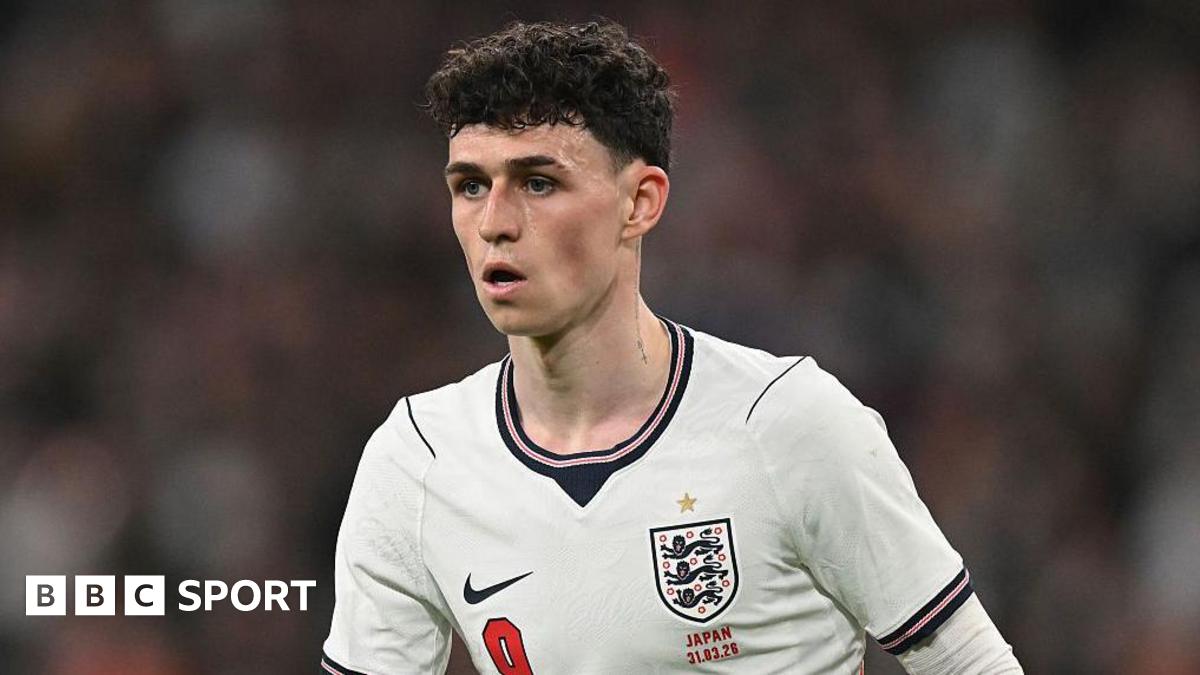
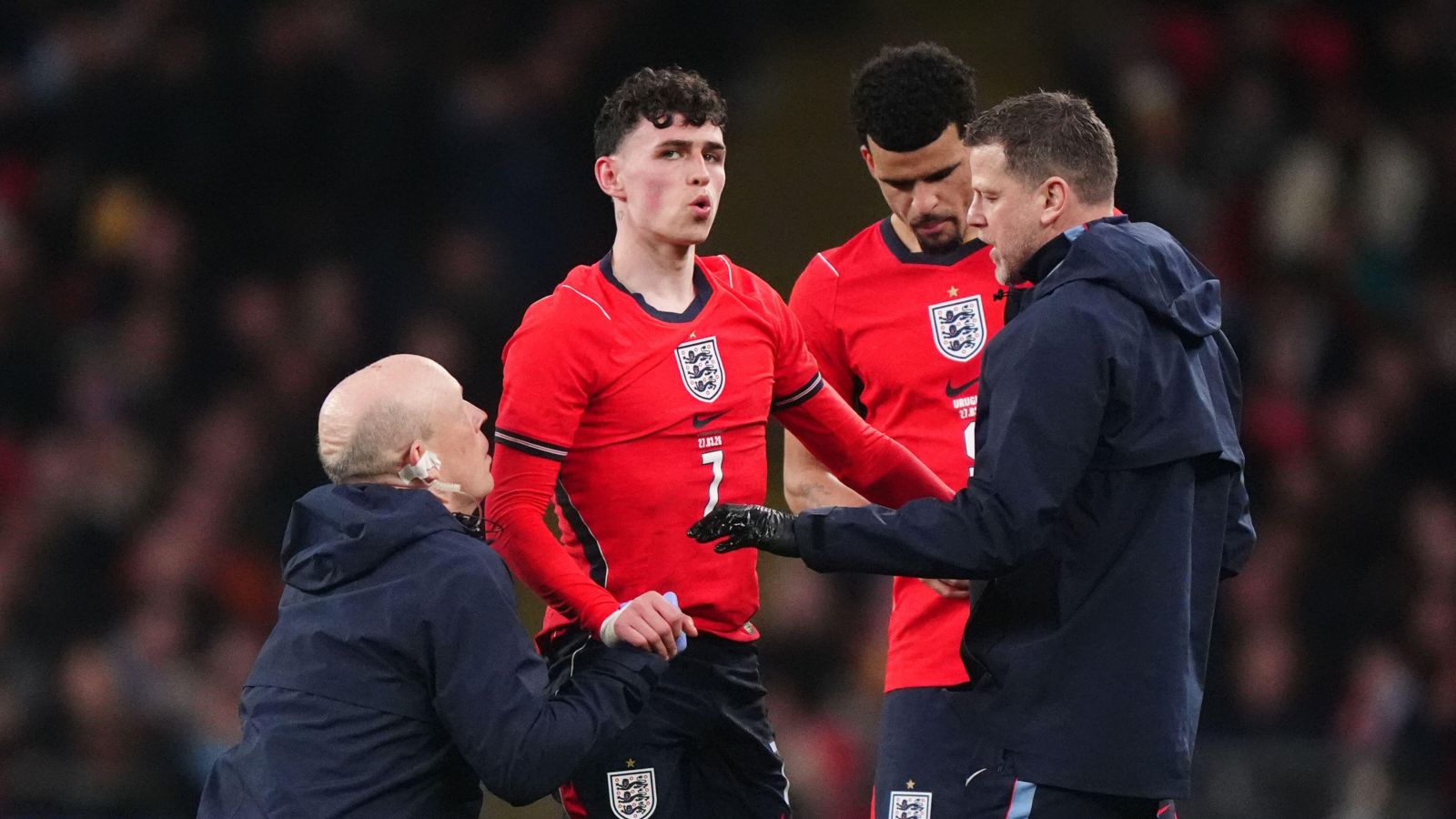
Thomas Tuchel dropping Phil Foden from the final England squad for the 2026 World Cup is a shock to the casual observer. But to anyone tracking sports science and player load metrics over the past nine months, it felt entirely inevitable.
Foden has played an obscene amount of football.
You cannot run an elite attacking midfielder through the meat grinder of three consecutive 60-game seasons and expect him to peak in the sweltering heat of a North American summer. Sky Sports reported this morning that Foden is officially out of the picture, with Levi Colwill being considered for a spot on the plane.
This is not just a tactical decision. This is a cold, calculated medical reality.
The expanded club calendar has finally collected its tax on England's attacking star. Tuchel’s decision to leave Foden behind signals a fundamental shift in how international managers are forced to operate in the modern era. You either bring fully fit athletes, or you go home early.
The Red Zone and Accumulated Fatigue
To understand the Foden decision, you have to look at the biometric data that national team physios have been agonizing over since February. Foden has spent the better part of the 2025/26 campaign operating in what sports scientists call the red zone.
When a player's chronic workload heavily outweighs their acute workload, the risk of a soft-tissue injury skyrockets.
Manchester City’s relentless pursuit of domestic and European honors meant Foden was rarely afforded a proper recovery cycle. We saw the warning signs early in the spring. There was a sluggishness to his transitional sprinting. His burst deceleration—the exact physical trait that makes him so dangerous on the edge of the box—was noticeably blunted.
This isn't an acute muscle tear or a shattered bone. It is systemic, accumulated fatigue.
It is the underlying physical degradation that does not necessarily show up on an MRI, but screams off the page of a GPS tracking vest. You can manage a player through a Premier League weekend with a compromised explosive output. You absolutely cannot do it over a seven-game tournament spanning three time zones.
Tuchel's Physical Baseline
Thomas Tuchel’s tactical system is notoriously unforgiving on the human body. His pressing triggers require aggressive, sustained high-intensity sprints.
If a player is carrying a knock, or even just dealing with heavy legs, the entire system collapses.
Look at how Tuchel managed his midfield during his club stints. He demands physical monsters who can cover ground defensively while breaking lines in possession. Foden, operating at maybe 80 percent capacity, becomes a tactical liability in a tournament that will feature brutal humidity and massive travel demands.
The 2026 World Cup is not going to be a walk in the park. Teams will be dealing with massive temperature fluctuations between host cities across the United States, Mexico, and Canada.
Recovery windows are going to be agonizingly short. Taking a player who is already running on fumes is a luxury England cannot afford. Tuchel is essentially drawing a line in the sand regarding physical readiness.
The Colwill Pivot and Defensive Fragility
The second half of the Sky Sports report—that Levi Colwill is being considered—tells another vital story about England's medical department.
Why look at a left-sided center-back when dropping a number ten? Because the defensive unit is held together by athletic tape and prayer.
England has historically struggled with center-back fitness heading into major tournaments. The physical toll on the defensive line has clearly spooked Tuchel. Colwill offers a massive physical advantage. He is tactically versatile, naturally left-footed, and importantly, his underlying fitness metrics have been significantly more stable over the final months of the season.
By dropping a fatigued attacker, Tuchel frees up a squad space to reinforce a defense that is constantly teetering on the edge of an injury crisis.
This is a ruthless piece of squad management. It acknowledges that defensive solidity and fresh legs will win out over a gassed superstar every single time. It is a harsh reality for Foden, but a completely necessary surgery for the squad's overall balance.
The Ghosts of Tournaments Past
England managers have historically been terrible at managing injured superstars. We have seen this exact scenario play out, usually with disastrous results.
Think back to David Beckham's metatarsal in 2002. Think of Wayne Rooney being rushed back from a broken foot in 2006, looking completely isolated and physically outmatched before getting sent off against Portugal.
More recently, the desperation to include half-fit fullbacks in the 2022 setup severely limited the team's tactical flexibility in Qatar.
Managers fall in love with the idea of a player rather than their current physical reality. Tuchel is actively rejecting that deeply ingrained FA culture of hoping for a medical miracle. He is looking at the medical dossier and choosing brutal pragmatism.
It is a massive criticism of how previous regimes have operated. Frankly, it is about time an England manager treated the medical department's warnings as strict boundaries rather than mere suggestions.
The Industry-Wide Breaking Point
This situation is a damning indictment of the current football calendar. The expanded Champions League format and the upcoming Club World Cup are breaking players at an alarming rate.
We are seeing elite athletes treated like disposable assets by their clubs, leaving international managers to pick up the broken pieces.
Foden is just the highest-profile casualty of a system that refuses to implement adequate rest periods. The PFA has been screaming about this for years. Players are actively discussing the unsustainable nature of their schedules, yet the governing bodies keep stuffing more fixtures into the calendar.
Tuchel's decision highlights the impossible situation international managers find themselves in. They are essentially managing rehabilitation wards rather than elite football squads.
When a generational talent is too burnt out to feature in the biggest tournament on the planet, the sport has a serious structural problem.
Strategic Implications and Final Thoughts
Moving forward without Foden fundamentally changes England’s attacking geometry. They lose their most dynamic half-space operator.
But they gain a level of physical security that might actually serve them better in a grueling knockout format. Tuchel will likely lean into a more rigid, transition-heavy style that relies on players who can consistently hit peak sprinting speeds deep into the second half.
There is a brutal irony here. The very system that elevated Foden to global superstardom has effectively robbed him of his peak World Cup opportunity.
The FA must look in the mirror. While they cannot control club fixtures, their failure to aggressively advocate for player welfare at the domestic level has directly compromised their national team's chances.
Tuchel has made the right call. It is ugly, it will dominate the tabloids, but medically, it is the only sane choice. England fans should be relieved their manager is finally reading the medical charts instead of the hype.
Read Next
- Tuchel’s plan to bring Levi Colwill to the World Cup is pure chaos
- Tuchel just ended the Harry Maguire era and the numbers explain why
- Why Tuchel dropping Maguire is a terrifying gamble for England
- Tuchel's Friday cull and the $50 tickets saving a corporate World Cup
- 🏆 World Cup 2026 — Full Coverage Hub