The Window is Closing
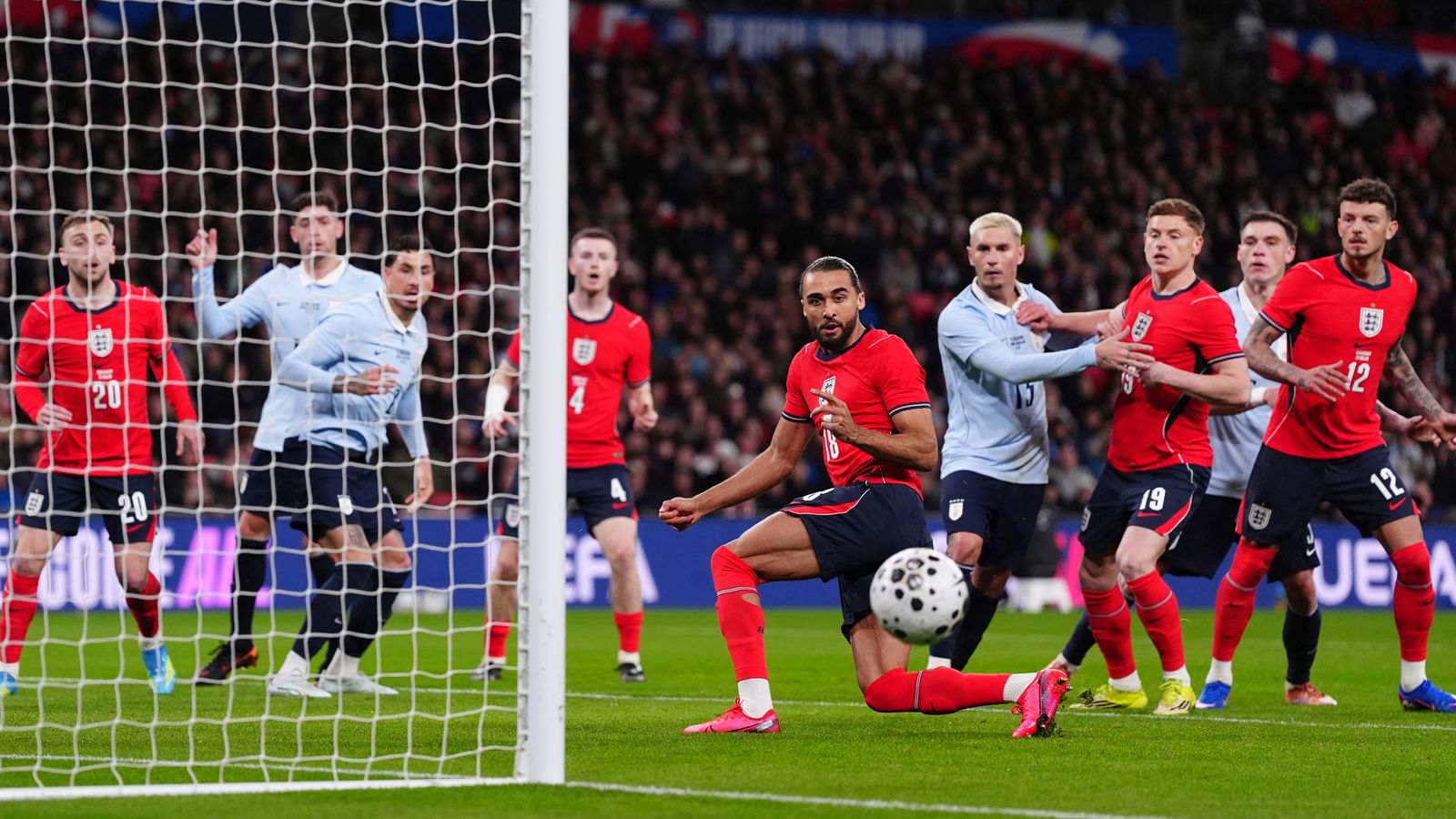
We are exactly 75 days away from the kickoff of the 2026 FIFA World Cup. The March international break is traditionally the final testing ground for national team managers, a chaotic window where tactical blueprints are finalized and fringe players state their last case.
For Thomas Tuchel, this was the week to solidify his attacking permutations. Instead, the recent fixtures have highlighted a glaring, unresolved issue within the England setup.
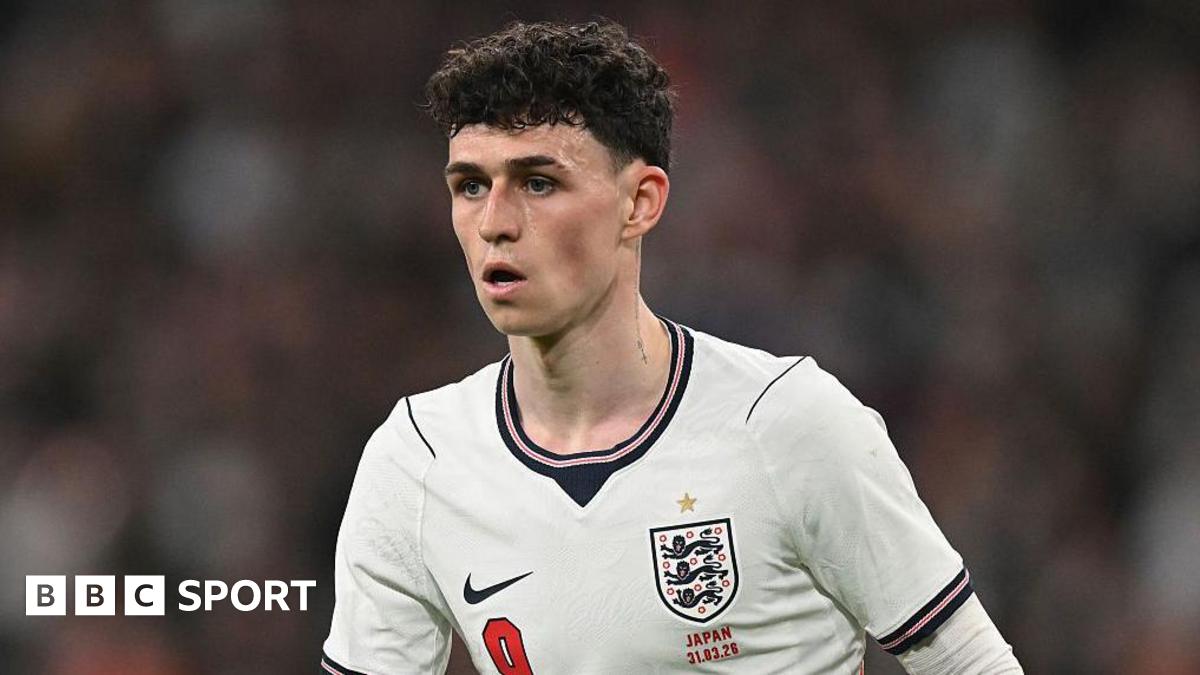
The system is functioning, but one of the nation's most gifted technicians is utterly lost within it. Phil Foden looks like a man playing a different sport than his teammates.
As the BBC accurately reported, if these matches were the Tuchel trials, Foden was among the high-profile failures. The Manchester City attacker drifted through the minutes afforded to him, disconnected from the midfield pivot and largely irrelevant in the final third.
This isn't a new phenomenon. The disparity between Foden in sky blue and Foden in an England shirt has been a persistent tactical headache for three successive managers. But under Tuchel, with time running out before the flight to North America, the patience is clearly wearing thin.
The City Tax and Positional Rigidity
To understand Foden's struggles, you have to look at his club environment. At Manchester City, Pep Guardiola has engineered an attacking structure that minimizes chaos. Every player occupies a specific zone, the ball circulation is relentless, and the attacking patterns are automated.
International football is inherently broken. Managers get a handful of training sessions a year. You cannot drill Guardiola-style automated patterns of play in four days at St George's Park.
Tuchel knows this. His entire managerial career has been built on pragmatic, heavily structured defensive blocks paired with rapid, vertical transitions. Foden wants to put his foot on the ball, dictate the tempo, and wait for the defensive block to shift.
Tuchel wants the ball moved from the middle third to the penalty area in three passes. It is a fundamental clash of tactical styles.
When England won the ball back deep in their own half during these recent fixtures, you could see the disconnect in real time. Bukayo Saka immediately sprinted into the channel, while Jude Bellingham drove straight through the center.
Foden, receiving the ball on the half-turn, routinely slowed the play down. He registered exactly zero key passes in transition, looking for a trailing midfielder who wasn't there.
The Congested Zones
The tactical map of England's attack is heavily skewed. Harry Kane drops deep to orchestrate. Bellingham pushes high into the space Kane vacates, acting essentially as a shadow striker.
Saka holds the width on the right, pinning the opposing left-back and offering a constant out-ball. Where does that leave the left-sided attacker?
Tuchel's system requires that player to either hold the width on the left flank or make penetrating, out-to-in runs behind the defensive line. Foden does neither effectively.
He is not a touchline winger. He lacks the explosive, standing-start acceleration of a true wide man. Inevitably, he drifts inside.
When he does, he occupies the exact same patch of grass that Kane and Bellingham are trying to operate in. The result is a congested, stagnant center.
England's left-back is forced to provide all the width on that side, leaving the defense vulnerable to counter-attacks. Opposing teams simply pack the middle, knowing Foden will rarely threaten the space behind them.
The Pressing Triggers and Defensive Frailties
Beyond the attacking disconnect, there is a glaring issue with Foden's work out of possession. Tuchel's defensive philosophy is built on specific pressing triggers.
When the opposition plays a lateral pass across the backline, that is the cue for the wingers to jump and force the ball sideways or backwards. Foden's pressing at Manchester City is excellent, but it is deeply systematic.
He presses as part of a collective unit that has trained together for years. In the disjointed reality of the national team, his pressing often looks isolated and reactive rather than proactive.
During the recent friendlies, opposing fullbacks routinely bypassed Foden's initial press with simple one-twos. He was frequently caught flat-footed, slow to recognize the trigger, and consequently late to close down the space.
This forces the central midfielders to jump out of the block to cover, creating gaping holes in the center of the pitch. In a major tournament against elite opposition, those split-second delays in the press are fatal.
The Bellingham Collision
The biggest tactical casualty of Foden's wandering is Bellingham. The Real Madrid star has been the undisputed focal point of England's attack for two years.
His late runs into the box and physical dominance in the air require clear passing lanes and uncluttered penalty areas. When Foden operates on the left, his natural instinct is to cut inside onto his favored foot.
By doing so, he drags his marker directly into the lane Bellingham wants to attack. It is a spatial nightmare. We saw it repeatedly in the first half of the recent fixtures.
Bellingham would make a bursting run forward, only to find Foden and two defenders occupying the exact area he was aiming for. This lack of spatial awareness in an England shirt is baffling given his club pedigree.
Tuchel has to make a choice. He cannot maximize both Bellingham and Foden in the same starting lineup unless one dramatically alters their natural game.
Given Bellingham's sheer physical impact and goalscoring output, that choice is glaringly obvious. Foden is the one who has to sacrifice, and so far, he hasn't shown the capacity to do it effectively.
A Saturated Depth Chart
If Foden was the only option, Tuchel would be forced to adapt the system to accommodate him. But the reality of this England squad is that the attacking midfield depth chart is absurdly stacked.
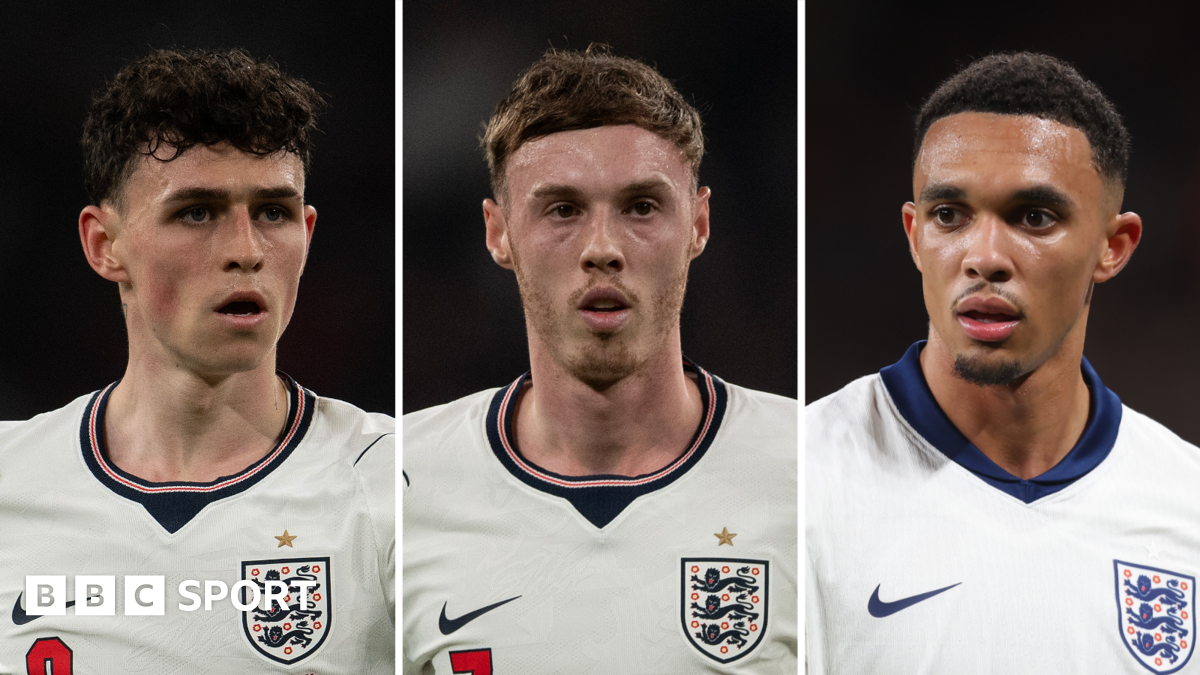
The competition is ruthless, and others are simply executing the manager's instructions better. Cole Palmer is the obvious alternative.
Palmer possesses a directness that Foden lacks. When Palmer gets the ball, his first thought is vertical. He drives at defenders, commits them, and releases the pass quickly.
In a transition-heavy system, that profile is far more valuable than a ball-retainer. Then you have Anthony Gordon, who offers pure, unadulterated pace on the left flank.
Gordon stretches defenses. He runs in behind. He forces fullbacks to drop five yards deeper, which inadvertently creates more space for Kane and Bellingham in the middle.
Foden's undeniable technical brilliance is being entirely offset by his lack of tactical suitability. He is a luxury player in a squad that is being built for efficiency and speed.
The Final Verdict
Tournament football is a game of fine margins and ruthless decisions. You do not win a World Cup by forcing square pegs into round holes just because the square peg has won a drawer full of Premier League medals.
Tuchel's mandate is clear. He was hired to win the tournament in North America, not to build a 10-year project. He does not have the luxury of time to slowly mold Foden into the player this system requires.
The March window was the acid test. Tuchel set up the tactical board, gave Foden the instructions, and watched him revert to his club habits. It wasn't a lack of effort; it was a fundamental incompatibility.
With the window for experimentation firmly closed, the squad list has to be finalized. The starting XI needs to build chemistry, and Foden's failure to grasp the transition game has moved him from a nailed-on starter to a massive liability.
My prediction? Foden makes the plane, purely based on his raw talent and the fear of leaving a match-winner at home. But he will not start the opening game.
Tuchel will opt for the directness of Gordon or Palmer on the left, leaving Foden as a wildly overqualified rotational piece. A generational talent, sidelined by the brutal, pragmatic reality of international football.
Read Next
- England's attack looks broken against Uruguay and time is up
- Why Tuchel's ruthless Trent Alexander-Arnold snub will backfire against Uruguay
- England's build-up faces the ultimate Bielsa stress test
- Top 10: Why Uruguay is the Ultimate Litmus Test for Tuchel’s England
- 🏆 World Cup 2026 — Full Coverage Hub
- 🏴 England World Cup 2026 — Three Lions Hub