The Countdown Begins
Five days remain before the opening whistle of the 2026 World Cup. The air in American football circles carries a familiar, suffocating density. It is that specific stillness that precedes a seismic disruption, a moment where the grand promises of international sport meet the cold reality of ninety minutes on the pitch.
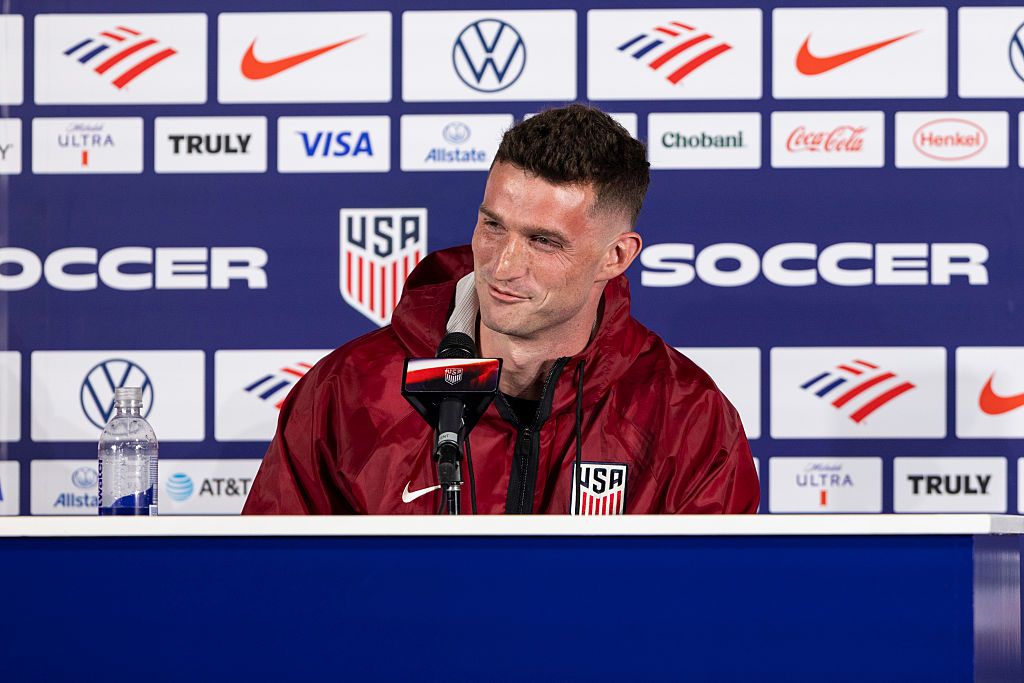
We are watching the buildup through a lens of extreme management. While nations like England are taking a measured approach—Thomas Tuchel’s squad is set for a Florida retreat to clear their heads after their final warm-up session—the hosts face no such luxury. The USMNT exists within a vacuum of high-octane anticipation, where every tactical tweak from the coaching staff is dissected by a public that hasn't seen a tournament of this scale on their own soil since 1994.
The Weight of the Golden Generation
The talent pool is undeniable. With Christian Pulisic, Gio Reyna, Weston McKennie, and Timothy Weah occupying their prime athletic years, the margin for error effectively vanishes. This is supposedly the golden generation, a group designed to reconcile the nation's historical indifference toward the sport by forcing a seat at the table with the global giants.
Yet, talent alone has historically served as a poor shield against the unique pressure of a home tournament. Consider the group dynamics elsewhere; while the Americans refine their tactical shape, teams like Cape Verde are entering uncharted tournament waters, offering a grit that can often undo a more polished, pampered opponent. The USMNT doesn't have the luxury of being the plucky outsider. They are the main event, and in a 48-team field, the complexity of managing fatigue and expectations across a massive geographic footprint becomes a massive variable.
Flaws in the Foundation
Not everything about this lead-up has been a success. The administrative mismanagement surrounding basic fan experiences, such as the initial handling of hydration policies, highlights a recurring theme: the disconnect between FIFA’s logistical machine and the actual human beings occupying the stadiums in the searing summer heat. Even with a last-minute reversal on bottle policies, the initial decision showed a lack of awareness that, if mirrored on the sideline by the coaching staff later this month, could prove fatal.
Tactically, the USMNT remains a work in progress. While players have secured individual accolades during stellar club seasons—take the recent PFA shortlists featuring Premier League talent—international football demands a different gear. The ability to pivot when the game is played on the opponent’s terms is where many promising squads go to die. History is littered with teams that played brilliant football in domestic leagues but lacked the necessary cohesion when the stakes shifted in June.
The Reality of the Stage
History suggests that hosting is a double-edged sword. It offers a 12th man in the stands, but it also creates an echo chamber where the noise of the masses can turn hostile with frightening speed. We look at squads like Spain, anchored by the brilliance of Lamine Yamal and Nico Williams, and see a roadmap of how clarity of identity carries a team further than raw energy. Spain has arrived with a clear vision; the USA is still searching for the right combination to unlock its explosive attacking personnel.
As we approach June 11, the temptation is to view the USA as a lock for a deep run. This is a mistake. The tournament is longer, the field is wider, and the opposition is hungrier than anytime in the last decade. Success here requires more than just high-profile names in the lineup. It requires the ruthlessness to punish mistakes and the discipline to suffer without conceding.
The prediction for the group stage is simple: the USA will reach the knockouts, but they will not do it with the ease many fans expect. They are headed toward a 2-1 victory in their opener, followed by a draw that will leave pundits questioning their mettle. The real test won't be the talent on the team sheet, but how they handle the inevitable moment when the crowd falls silent and the momentum shifts to the other side of the pitch.
Read Next
- Argentina’s Long Goodbye: Can Messi Rewrite History in 2026?
- Can Brazil finally exorcise their demons on the North American stage?
- The 48-team uncertainty hanging over the North American World Cup
- England faces a cold reality check against Spain’s tactical superiority
- 🏆 World Cup 2026 — Full Coverage Hub
- 🇺🇸 USMNT World Cup 2026 — Team USA Coverage Hub