The battle won in the boardroom
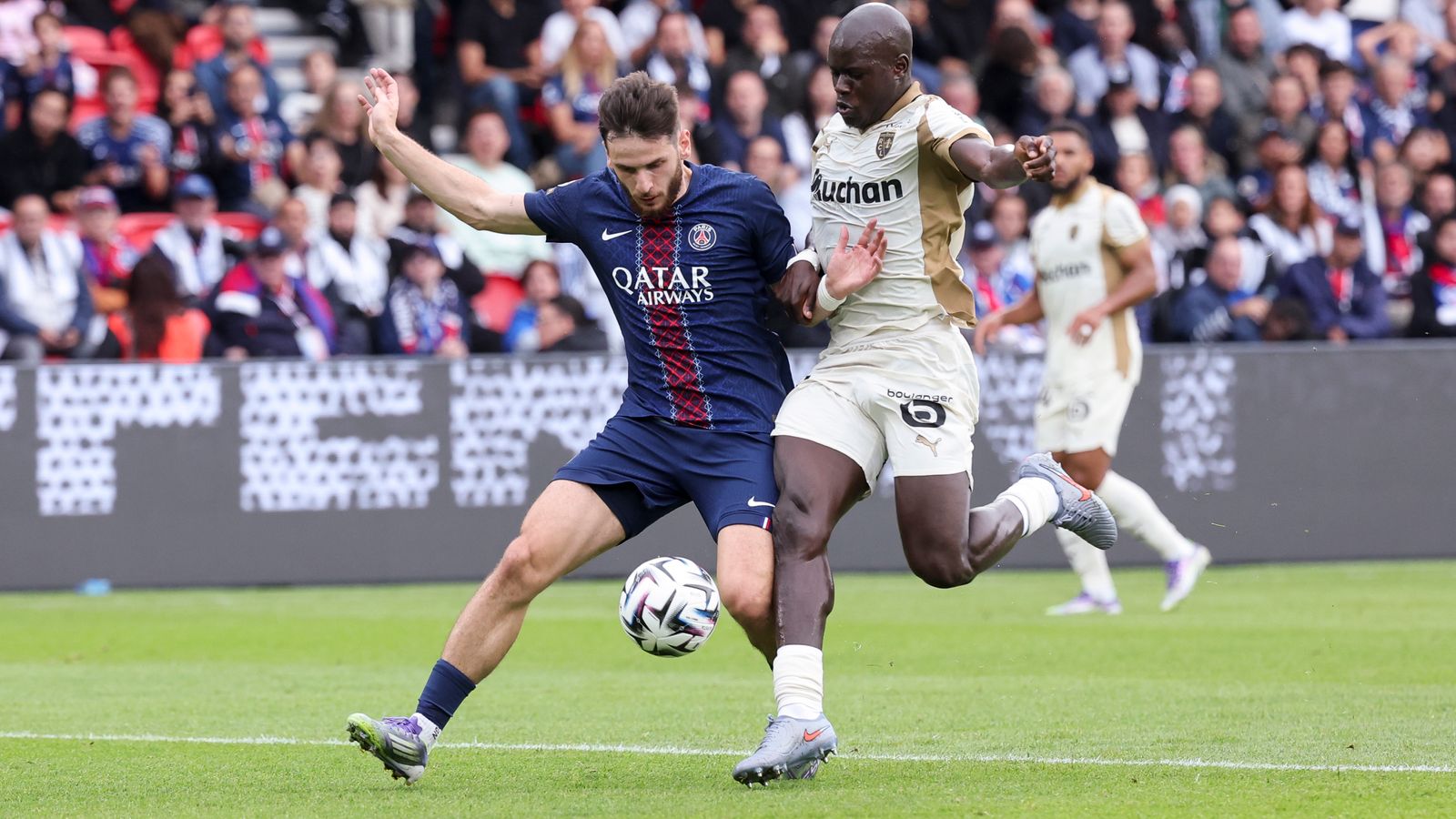
The Champions League quarter-finals are rarely decided by a sudden stroke of tactical genius. More often, they are decided by lactic acid. On April 7, Liverpool will travel to the Parc des Princes for the first leg of their European tie against Paris Saint-Germain. But the defining move of this matchup has already happened, miles away from the pitch, in a boardroom.
Ligue 1 has officially granted PSG’s request to postpone their domestic clash against Lens. While Liverpool are scheduled to grind through a grueling Premier League weekend just days before the first leg, Luis Enrique's side will be resting. This is not a minor administrative footnote or a polite courtesy. At this stage of the season, against this specific opponent, it is a massive, quantifiable advantage.
The Premier League has long operated under a strict, isolationist dogma. The English calendar is viewed as a sacred, immovable object. Broadcast contracts dictate kickoff times, and the concept of giving a team a weekend off to prepare for a continental clash is treated as an insult to the integrity of domestic competition. In France, they see it differently. They view European success as a collective league triumph, a necessary boost to their UEFA coefficient.
The mathematics of recovery
To understand why this fixture change is so devastating for Liverpool, you have to look at the numbers behind high-intensity football. The modern game is less about total distance covered and more about the volume of high-speed running. A player might cover 11 kilometers in a match on both three days of rest and six days of rest. Total distance is a deceptive metric.
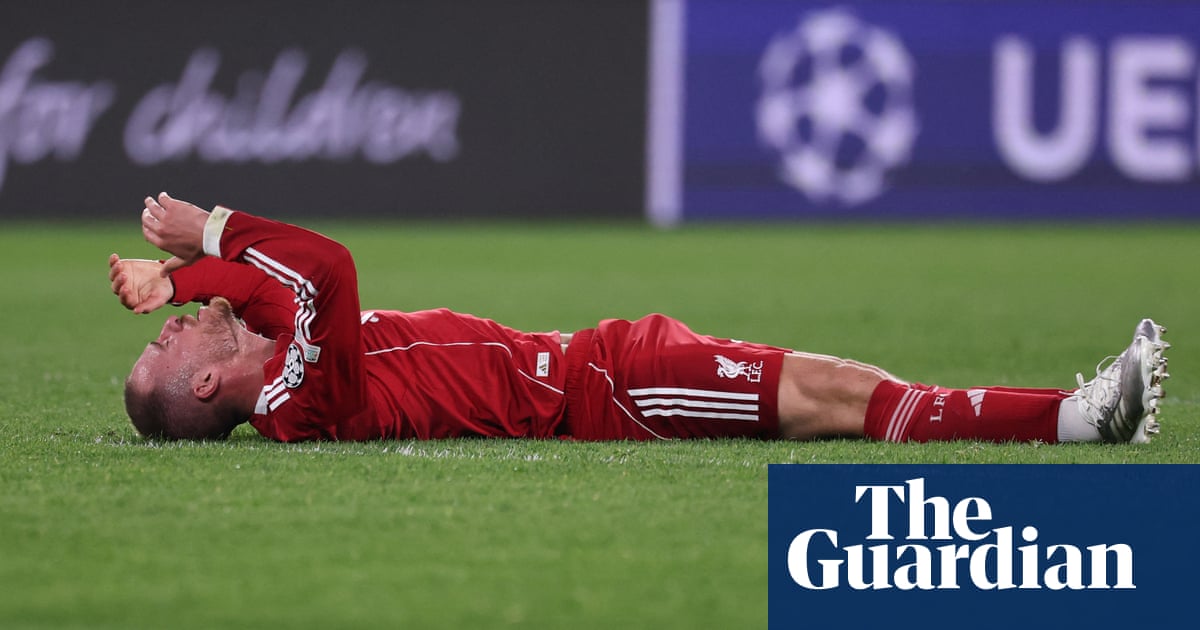
The critical difference is found in sprint distance. When a team plays on short rest, their high-intensity sprint distance—the explosive bursts required to close down a passing lane, track a runner, or break the lines—drops by an average of 16.4 percent. For a team built on relentless, coordinated pressing, that drop-off is practically fatal.
Liverpool's tactical identity relies entirely on winning the ball high up the pitch. Their PPDA (Passes Allowed Per Defensive Action) is the barometer of their aggression. When operating on a full week of rest, Liverpool's PPDA routinely hovers around an elite 8.9. They suffocate opponents. They force turnovers in the final third.
But when you track their metrics over the last three seasons on short turnarounds following a high-stakes domestic fixture, the picture changes entirely. Their PPDA rises to a much more passive 11.7. They stop hunting in packs. The triggers become disjointed. One player presses, but the midfield is half a second too slow to back him up, allowing the opposition to bypass the first line of defense with ease.
Quantifying the fatigue gap
Let's look at the specific recovery window. By postponing the Lens fixture, PSG are essentially creating a nine-day gap between competitive matches leading into the April 7 first leg. Liverpool, meanwhile, will have roughly 72 hours of turnaround time after their weekend Premier League commitments.
In sports science terms, 72 hours is the absolute minimum required to clear muscle damage from a 90-minute elite football match. It leaves zero time for tactical preparation on the grass. The day after a game is strictly for recovery. The second day is limited to light tactical walk-throughs and video sessions. The third day is matchday.
PSG, with over a week to prepare, can run full-intensity training sessions specifically tailored to dismantling Liverpool's build-up structures. They can drill set-pieces relentlessly. They can afford to rest key players who are carrying minor muscular issues, knowing they have the runway to recover.
The historical data backs up the severity of this advantage. In the Champions League knockout stages over the last decade, teams entering the first leg with at least two more days of rest than their opponent have progressed 62 percent of the time. It is a structural advantage that tactical setups struggle to overcome.
The Eredivisie blueprint
If you want to see the ultimate proof of concept for this strategy, look back at the 2018-19 season. The Dutch KNVB postponed an entire round of Eredivisie fixtures to give Ajax a full week to prepare for their Champions League semi-final against Tottenham Hotspur. Spurs, meanwhile, had to play a brutal London derby against West Ham just days prior.
The physical disparity in the first leg was staggering. Ajax outran Spurs, out-pressed them, and secured a crucial away win. While Spurs eventually mounted a miraculous, emotionally charged comeback in the second leg, the first 90 minutes were a masterclass in the benefits of sports science and schedule manipulation. Ajax recorded a staggering 145 high-intensity sprints in that first leg compared to Tottenham's 112.
Ligue 1 is following that exact blueprint. They recognize that in the modern Champions League, technical superiority is often neutralized by physical intensity. If you cannot outplay your opponent, you outrun them. And if you want to outrun them, you need to be rested.
The tactical fallout against PSG
What does this mean for the actual 90 minutes in Paris? Expect PSG to ruthlessly target the wide areas in transition. When Liverpool's full-backs push high, the space left behind them requires enormous energy from the midfield three to cover. If that midfield is operating on heavy legs, the lateral shifts become compromised.
That half-second delay is all elite attackers need. A sluggish lateral shift from the defensive midfield means a missed interception, which immediately translates into a direct run at an isolated centre-back. PSG are engineered to exploit exactly this kind of structural frailty. They do not need 60 percent possession to kill you; they just need you to be slightly out of position when the ball turns over.
We can see this vulnerability in Liverpool's underlying numbers. Look at their Expected Goals Against (xGA) in the final 20 minutes of matches when playing on short rest. It spikes dramatically. In the first 70 minutes of these fatigued fixtures, they concede an average of 0.8 xGA. In the final 20 minutes, that number balloons, accounting for nearly 45 percent of their total xGA for the match.
The myth of momentum
There is a persistent, romantic notion in English football that playing frequently builds 'momentum'. Pundits love to suggest that a team on a winning run wants the games to come thick and fast. The data aggressively contradicts this.
Momentum is a psychological construct; muscle fatigue is a physiological reality. When a fatigued team faces a rested team of equal quality, the rested team controls the tempo. They win the second balls. They complete more progressive passes under pressure because the pressure arrives a fraction of a second later than it should.
If you analyze the duel success rate of Premier League teams competing in Europe, the drop-off is glaring. Ground duel win percentages dip by nearly 4.5 percent in the final third of matches played on short turnarounds. It sounds marginal, but in a Champions League quarter-final, a lost ground duel on the edge of the penalty area is the difference between a clean sheet and a deficit.
The fine margins of April
Liverpool have been here before. They are no strangers to fighting battles on multiple fronts. But ignoring the reality of the physical deficit is managerial negligence. The tactical blueprint for the first leg has to acknowledge the disparity in preparation time.
They cannot afford to engage in a track meet at the Parc des Princes. A high-variance, end-to-end game plays directly into the hands of the team with fresher legs. Liverpool will need to implement periods of sterile possession, holding the ball not to create, but to rest. They must break up the rhythm of the game, take the sting out of the crowd, and accept that a low-block might be required for sustained periods in the second half.
PSG know this. The French league knows this. By shifting the Lens fixture, they have effectively stacked the deck. Liverpool might still possess the sheer quality and collective willpower to secure a result, but they are stepping onto the pitch at a severe, mathematically proven disadvantage. The tie hasn't even kicked off, and PSG are already a goal up in the sports science department.
Read Next
- Your Champions League semi-final predictions are already garbage
- Liverpool's right-sided rebuild is already hitting brick walls
- Why Man Utd's Ndiaye pivot is flawed, and Al-Ittihad's Salah push isn't
- Top 10: Moments Defining the 2026 Football Run-In
- ⚽ Ligue 1 2025-26 — PSG, Monaco & the Title Race Hub
- ⭐ UCL 2026 — Champions League Quarter-Finals Hub