
Rangers are gambling their identity on the McInnes appointment
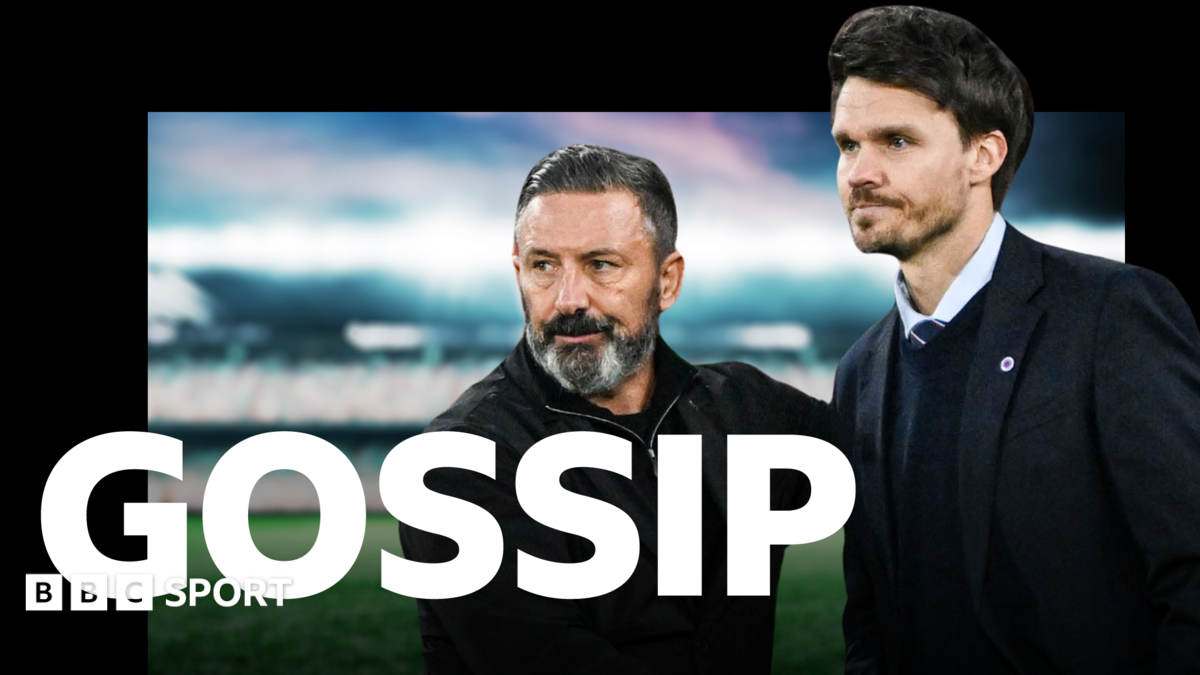
The Ibrox coaching merry-go-round accelerates
Football at the top level is rarely about stability; it is about the calculated risk of replacing one flawed methodology with a supposedly more efficient alternative. The move to bring in Derek McInnes to replace Danny Rohl at Rangers is a fascinating case study in tactical preference over long-term project cohesion. Rohl, who brought a high-pressing, data-forward intensity to Glasgow, is reportedly packing his bags to pursue a more lucrative role south of the border. His departure feels like the end of an experimental chapter that promised much but delivered inconsistent results.
Bringing in McInnes feels like a strategic retreat to a known quantity. McInnes operates with a pragmatic framework that prioritizes defensive structure and direct transitional play over the fluid, possession-heavy style Rohl attempted at Ibrox. While some supporters will applaud the return to a more traditional Scottish Premiership approach, others should be questioning if this pivot is based on actual performance metrics or merely the comfort of familiarity. It is a classic tactical trade-off, and one that carries plenty of baggage.
The McInnes footprint at Tynecastle
To understand the Rangers appointment, one has to examine what McInnes actually achieved at the Heart of Midlothian. He is a manager who demands discipline and a low-risk profile, favoring verticality from the back line rather than building through tight midfield pockets. His teams are notoriously difficult to break down, but they rarely threaten to dominate possession statistics by the 62% mark that a modern title-chasing side typically requires.
This is where the skepticism creeps in for observers looking at the broader architecture of the club. If Rangers want to overhaul their current roster to match a defensive-first ideology, they are looking at a massive recruitment bill. You cannot simply plug a pragmatist into a squad built for a high line and expect seamless integration. It is a misalignment of personnel that rarely ends well, as reported by the BBC, the deal is essentially signed and waiting for bureaucratic finalization.
The player drain and the West Brom factor
While the managerial musical chairs take center stage, the squad itself is undergoing a volatile transformation. Barney Stewart is reportedly on his way out, with a transfer to West Bromwich Albion looming as a near certainty. Losing a player of Stewart's profile during a managerial transition is a dangerous game. It leaves the incoming coaching staff with a squad that is fundamentally unbalanced and potentially lacking in motivation before the first ball has even been kicked in preseason training.
West Brom’s interest in Stewart underscores the valuation gap in the Championship compared to the upper echelons of the Scottish game. When a Championship side can swoop in and secure talent from a club like Falkirk—or pry players away from the orbit of the Old Firm—it highlights the persistent financial pressure these clubs operate under. The 2.5 million pound estimated fee, while not finalized, represents a significant churn in assets that the new Rangers coaching staff will have to navigate without the benefit of a full summer cycle to scout replacements.
Evaluating the tactical risk
Modern coaching is often compared to the complexities of algorithmic optimization, where a slight shift in parameters can lead to a collapse in performance. Rohl utilized a system that treated the pitch like a distributed grid, demanding constant movement. McInnes operates within a much tighter, more rigid mental model of the game. If the transition results in a defensive shell that lacks the creative variance to overcome bottom-half opponents, the atmosphere at Ibrox will grow toxic at an accelerated speed.
One has to wonder if the decision-makers at the club are being seduced by perceived safety. Choosing a manager because he has 'been there and done that' is a classic institutional fallacy. It avoids the embarrassment of a failed overseas experiment but ignores the ceiling that a pragmatic manager places on a club’s potential. If the goal is a consistent fourth-place finish with a sturdy goal difference, McInnes is the correct choice. If the club has actual title ambitions, this feels like a defensive posture taken too early in the game.
Read Next
- Erling Haaland on the biggest stage is going to be pure chaos
- Lennon Miller could be the next breakout star from Motherwell
- Olivier Giroud is bombing harder than a Saturday Night Live sketch
- Saudi Arabia’s tactical discipline almost stifled Uruguay's attack
- ⚽ Scottish Premiership 2025-26 — Celtic vs Rangers Hub
Frequently Asked Questions
Why is Danny Rohl leaving the manager role at Rangers?
What tactical style does Derek McInnes bring to Rangers?
What are the risks of hiring Derek McInnes as Rangers manager?
Which player is linked with a move to West Bromwich Albion?
How does McInnes's approach differ from modern title-contending teams?
More Coverage
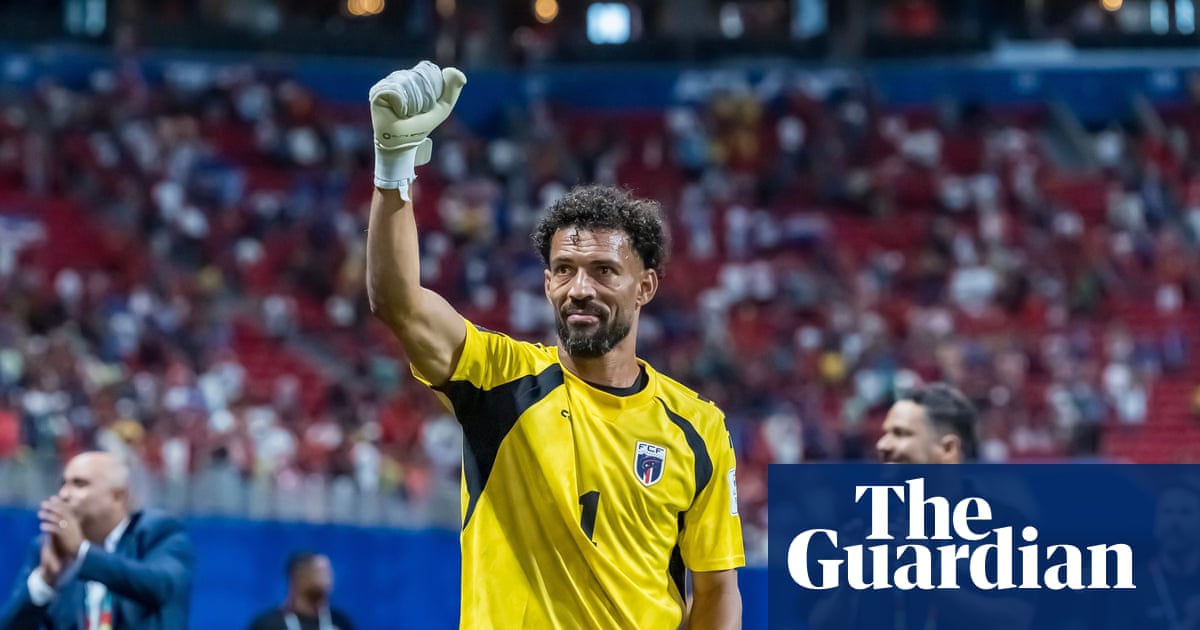
Spain’s shaky start shows why World Cup hype is dangerous
an hour ago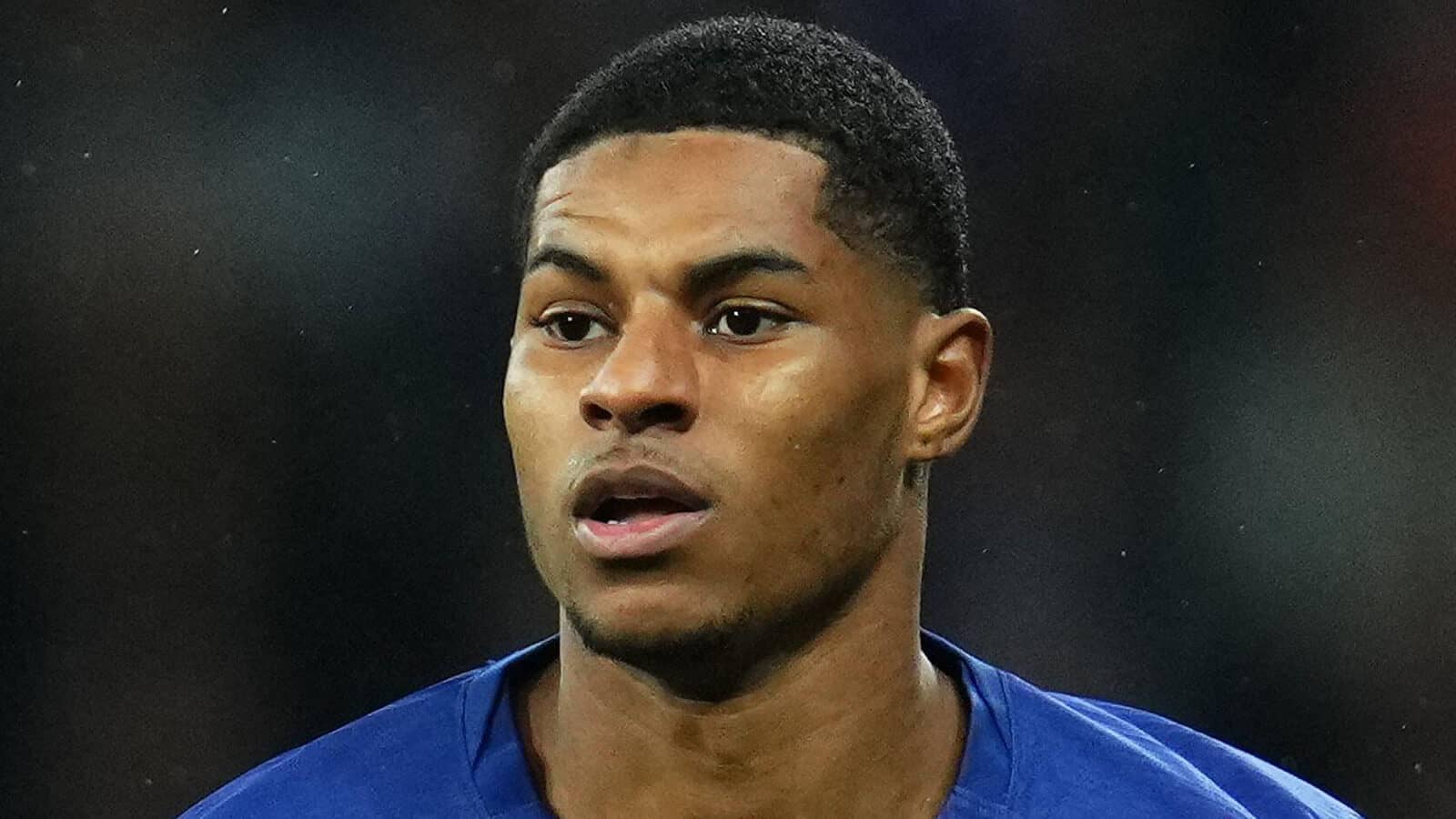
Michael Carrick has Manchester United dreaming of more than just fourth
an hour ago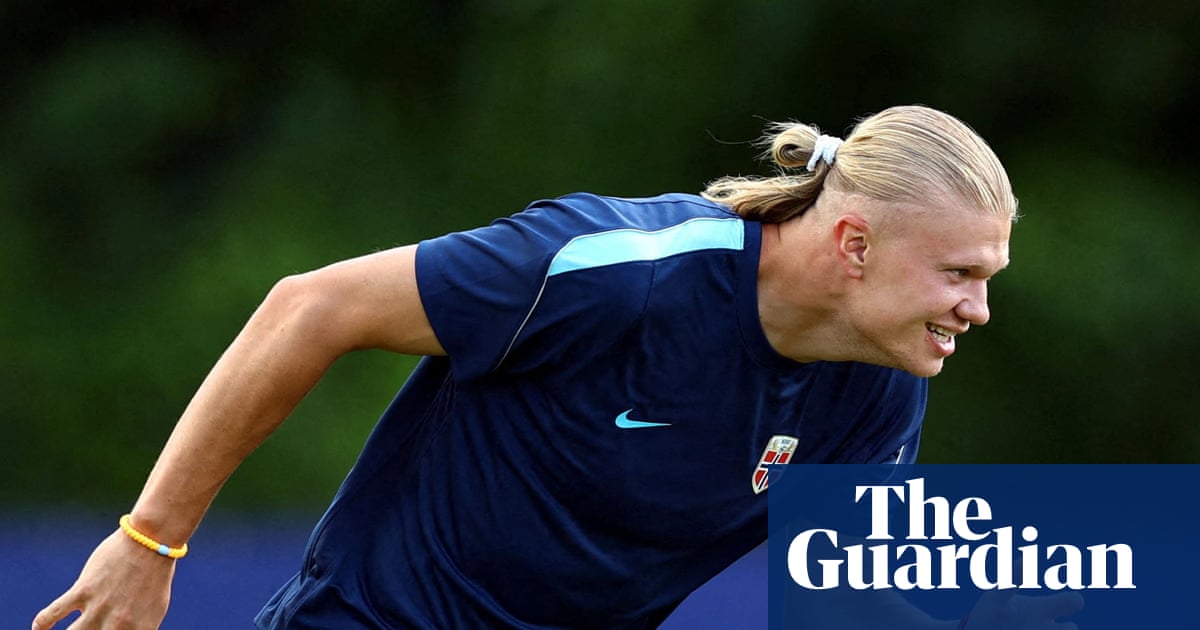
Erling Haaland on the biggest stage is going to be pure chaos
6 hours agoLennon Miller could be the next breakout star from Motherwell
6 hours ago
Olivier Giroud is bombing harder than a Saturday Night Live sketch
7 hours ago
Saudi Arabia’s tactical discipline almost stifled Uruguay's attack
8 hours agoMore Analysis

France vs Senegal: Tournament openers aren't always a walk in the park
an hour ago
Arsenal's hunt for Ayyoub Bouaddi hinges on more than just tournament hype
an hour ago
Darwin Nunez and Uruguay face a total World Cup reality check
an hour ago
Hervé Renard takes Tunisia reigns as World Cup chaos grips the group stage
an hour ago