Punditry is not for everyone, apparently
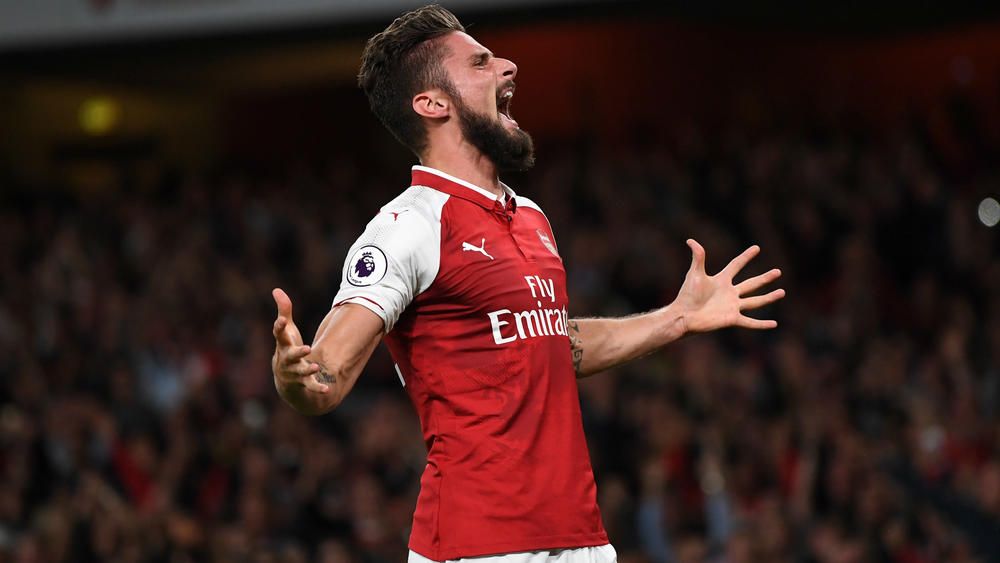
Watching Olivier Giroud try to analyze a World Cup match on the BBC has been a visceral experience for all the wrong reasons. It is like watching a guy try to explain string theory while he is still visibly confused about how a microwave works. Some players are born to grace the screen with tactical wisdom; Giroud currently looks like he is counting the seconds until he can head back to the hotel bar.
The internet reaction has been swift, brutal, and frankly, hilarious. Fans have flooded social media with demands to pull him from the panel before the next knockout game rolls around. When you have a player who has won the World Cup but cannot explain a standard high-press, you have a mismatch that makes the recent criticism of his BBC punditry look like mild constructive feedback. It is a car crash of awkward pauses and head-scratching tactical takes.
The lack of substance behind the suit
To be fair to the man, being a legendary target man does not inherently translate to being a genius in the broadcast booth. We have seen this time and again with retired strikers who think the game is played by telepathy alone. Giroud seems stuck in that specific, frustrating headspace where he assumes everyone watching just understands his intuition. That is not how television analysis works.
You need to break down the movement, explain the defensive shifts, and identify why a midfield pivot is failing. Instead, viewers are getting vague platitudes that feel like they were lifted from a generic FIFA loading screen. If you compare this level of insight to the tactical disaster we saw earlier when Iran vs New Zealand took the pitch, you realize Giroud is just another symptom of the broadcasting industry trying to shoehorn famous faces into roles they clearly haven't rehearsed.
The danger of hiring based on legacy
Broadcasters are obsessed with big names regardless of whether those names have anything useful to say. It is the hallmark of lazy production. Just because you have a stellar trophy cabinet does not mean you can hold a viewers attention for 90 minutes of post-match breakdown. The audience is not stupid; they know when the guy next to the lead presenter is just phoning it in for a paycheck.
Giroud is an incredible professional who has contributed to massive wins for club and country. My issue is not with his career or his ability to flick a header into the bottom corner. My issue is with the BBC producers who thought throwing him into a live, high-pressure studio environment would be good for anyone. It is a disservice to him, as he looks uncomfortable and out of place, and it is a disservice to the thousands of fans who want actual, coherent analysis.
Some analysts bring a certain level of gravitas or sharp wit that adds to the broadcast. Giroud is bringing the energy of a confused tourist in a subway station. This is a major broadcast failure that highlights how far some networks are falling behind the curve. If the network needs to fill time, they would be better served putting a camera on a cat chasing a laser pointer.
The path forward for the BBC
If the plan is to save the remaining matches, the solution is obvious. Take him off the panel, give him a nice lunch, and thank him for his service. Keep the legends on the touchline where they belong and let the people who actually communicate for a living take the reins. We need better than this, especially when the stakes at this tournament are already through the roof.
The fans have spoken, and they are not exactly subtle about it. They want substance, not a famous face staring blankly at slow-motion replays. If the powers that be keep ignoring this, the ratings will continue to dip, and the mentions on social media will continue to be a bloodbath. It is time for a change, and frankly, it is overdue.