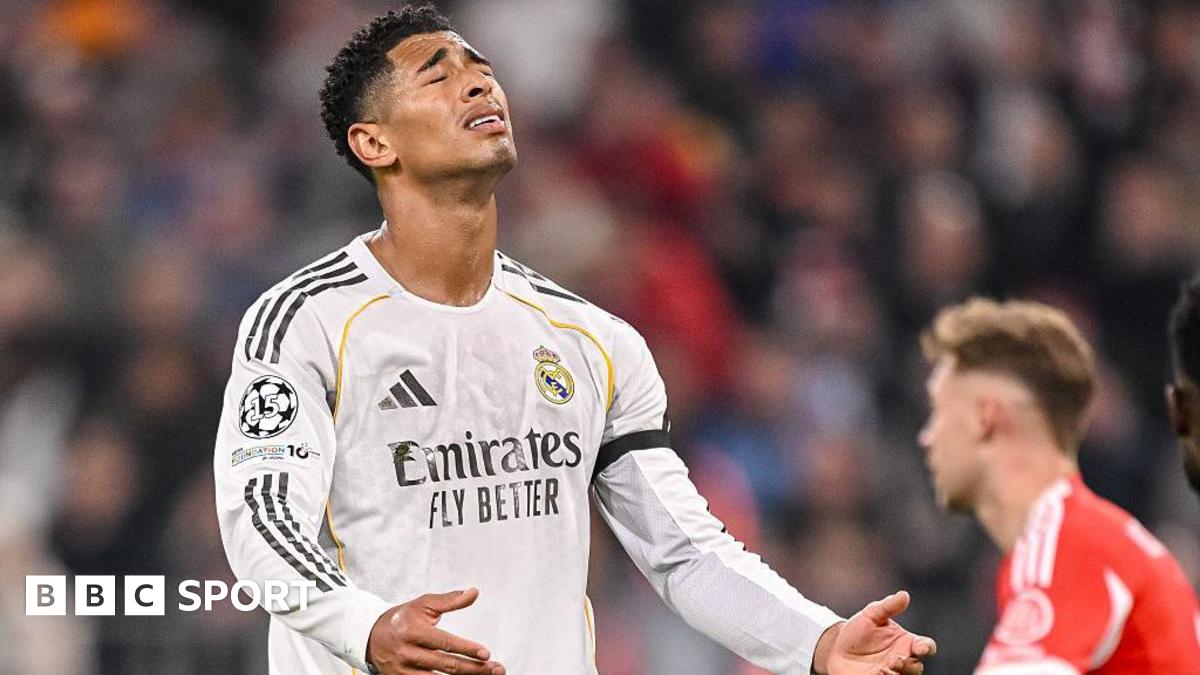
The end of an era at the Bernabéu
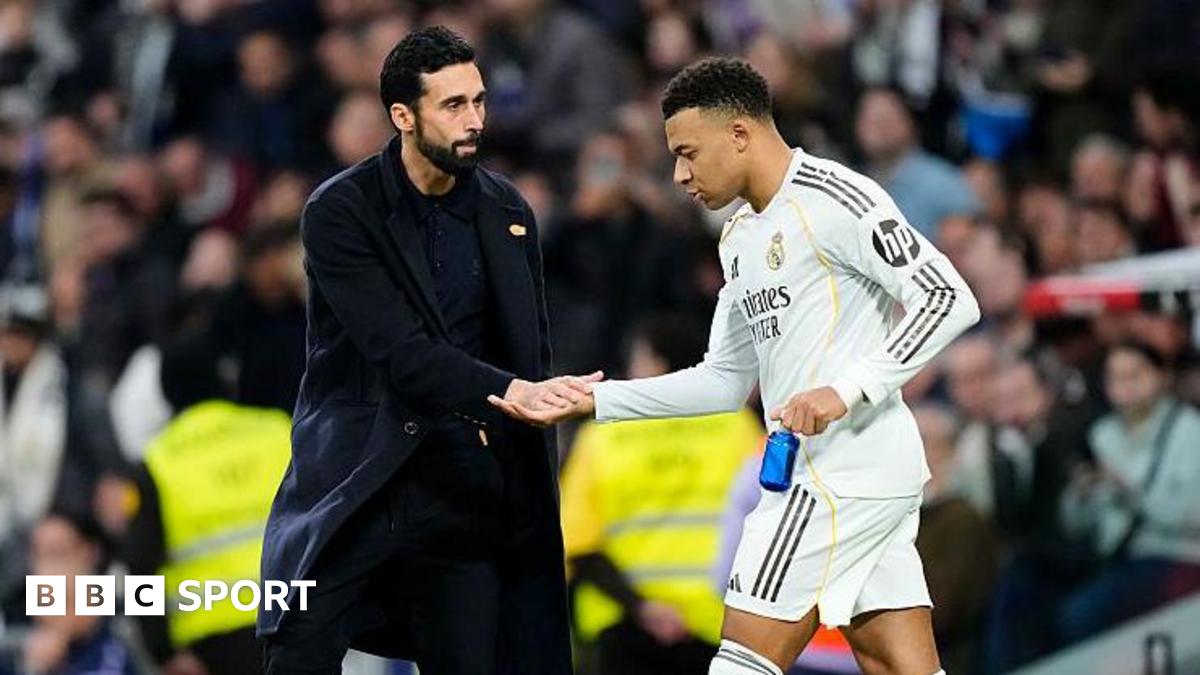
Real Madrid are staring into the abyss of a trophyless campaign, an outcome that feels alien given the club’s historical mandate. Their Champions League exit to Bayern Munich was not just a defeat—it functioned as a post-mortem for Alvaro Arbeloa’s tactical setup. With the dust settling on a 3-2 aggregate defeat, the data suggests the side lacked the transition discipline required for modern knockout football.
Defining the failure through the numbers
Possession metrics during the return leg at the Allianz Arena tell a misleading story. Madrid held 54% of the ball during the second half, yet their post-shot xG remained stagnant until desperation set in late. Arbeloa’s reliance on high-pressing triggers frequently failed to account for Jamal Musiala’s movement between the lines. Musiala completed 88% of his dribbles, creating a verticality that the Madrid midfield pivot simply could not intercept.
The lack of defensive cover in the half-spaces has been a recurring theme. Over the last four competitive fixtures, Madrid have conceded an average of 1.8 goals per game, a sharp decline from their 0.9 conceded per 90 minutes in the first half of the season. The tactical instability, as explored in recent analysis regarding Arbeloa's tenure, appears linked to an inability to balance creative freedom with basic defensive shape.
Where the shift in influence lies
The transition from a high-control system to one defined by individual brilliance has effectively neutralized the team's floor. While top-tier clubs across Europe are refining their automated pressing patterns, Madrid are drifting into a reactive state. This isn’t a matter of personnel quality, but of structural spacing.
When compared to their domestic rivals, Madrid’s high-turnover rate in the transition phase is glaring. They have lost possession in their own defensive third on 14 separate occasions across the two legs against Bayern. That is a statistical profile of a team that is not yet ready for the 2026 UCL Semi-Finals. The board’s appetite for patience is limited, and the absence of a trophy to show for this progression may force their hand sooner than anticipated.
Ultimately, the numbers demonstrate a lack of cohesion. If the club fails to address the isolation of the midfield anchor during defensive phases, they will remain vulnerable to rapid counter-attacks. A squad of this pedigree should not be looking to the summer transfer window to fix internal discipline; they should be looking at the bench.
Read Next
- Arsenal have reached the semi-finals but the attack is stalling
- Bayern Munich have blueprint to stop anyone after Real Madrid masterclass
- Top 10: Defining Moments of the 2025/26 Champions League Run
- Arsenal are about to face their toughest test of the season
- ⚽ La Liga 2025-26 — Title Race Hub
- ⭐ UCL 2026 — Champions League Quarter-Finals Hub