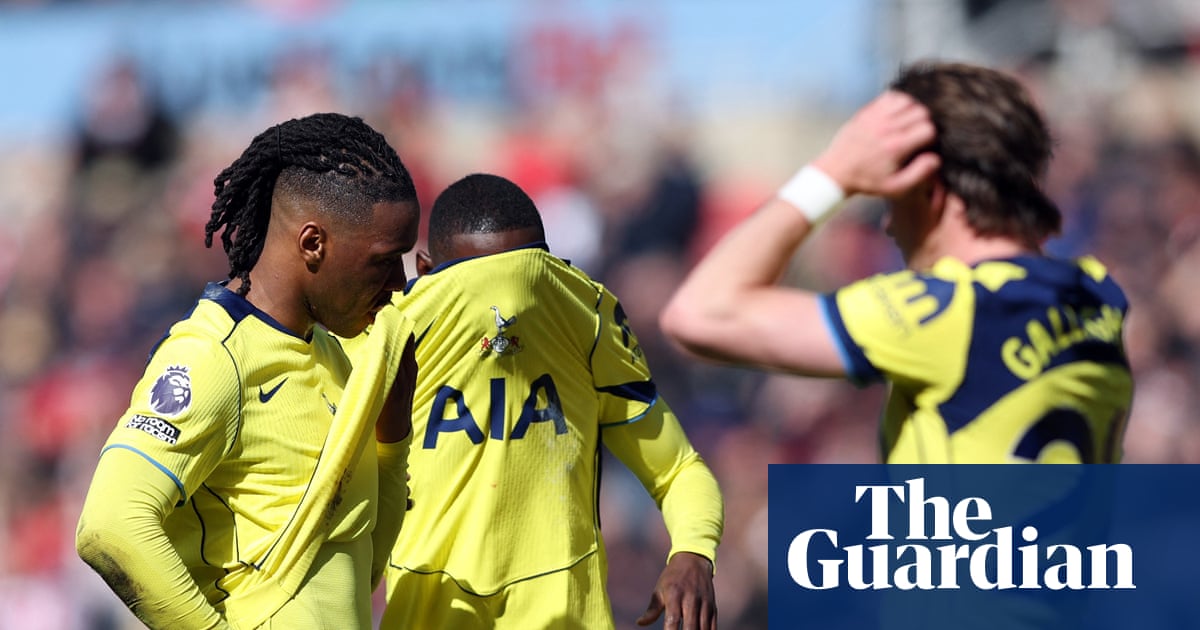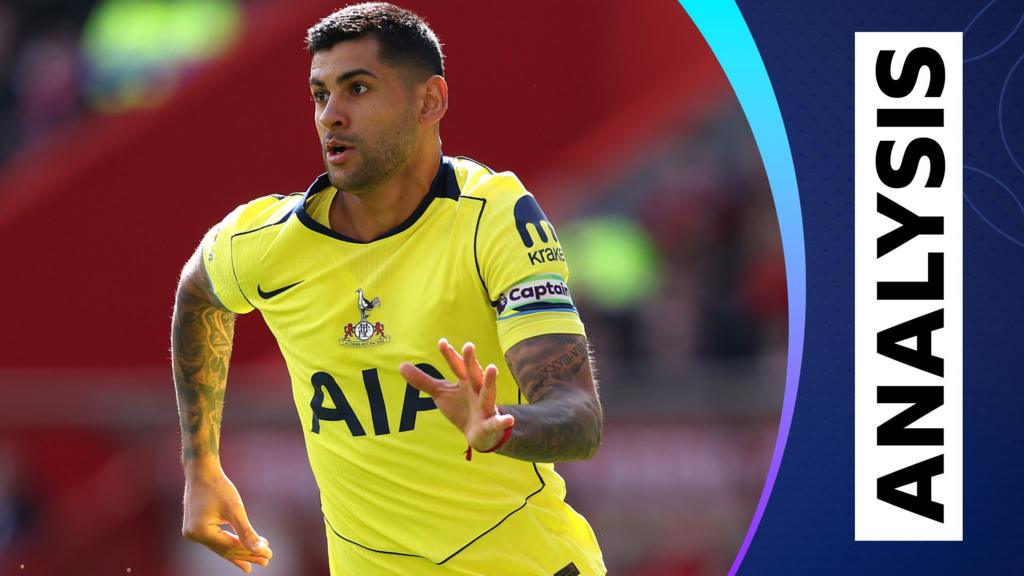
Tactical paralysis at the Stadium of Light
Roberto De Zerbi arrived at Tottenham with a reputation as a structural innovator, a man who views spacing as the primary currency of elite football. Yet, watching the 1-0 defeat against Sunderland on April 11, the vision looked fractured. His commitment to playing out from the back against a high-pressing opponent requires a level of psychological composure his squad simply did not demonstrate.
Sunderland’s trigger-based press centered on the pivot. Every time the ball was played into the central channel, the Sunderland midfield trio collapsed inward, suffocating passing lanes before they could develop. Spurs responded not with quick transitions, but with horizontal passing that invited more pressure. It felt like watching a team play in slow motion while their opponent existed in real-time.
The disconnect between theory and execution
Spurs looked structurally uncomfortable while trying to hold possession. De Zerbi typically relies on his wingers to occupy the touchline, effectively stretching the pitch horizontally to create gaps between the opposition center-backs. Against Sunderland, the wide players tucked in way too early. This collapse of the formation allowed the Sunderland defensive block to remain compact.
Data from the match highlights the lack of penetration. Tottenham’s expected goals metric failed to break the 0.5 threshold for the final forty minutes. The build-up work in the defensive third was sterile. As Pat Nevin noted on Match of the Day, the implementation of these high-risk patterns requires total synchronicity. Right now, this Spurs side is out of keys.
Defensive gaps and transition pain
The defensive goal conceded was a disaster of positioning. A turnover in the middle third left a gaping hole on the left flank, exploited rapidly by the Sunderland winger. The personnel seemed unsure of their recovery responsibilities. When the press is bypassed, the back four is left exposed, and they are struggling to track runners effectively.
This is a recurring theme for those documenting their recent struggles, similar to how Chelsea are repeating their mistakes in the Premier League. The commonality across both London clubs is a failure to manage the game state when the primary plan is neutralized. De Zerbi needs to simplify his instructions before the next match, or the frustration will boil over.
Prediction: A grim week ahead
Expect Tottenham to struggle with the rhythm in their upcoming fixtures. If they cannot fix the verticality of their passing, any team with an organized press will carve them open. My prediction is a draw that feels like a loss, as the side continues to favor aesthetic possession over direct, high-percentage threat creation.