The Ultimate Panic Button
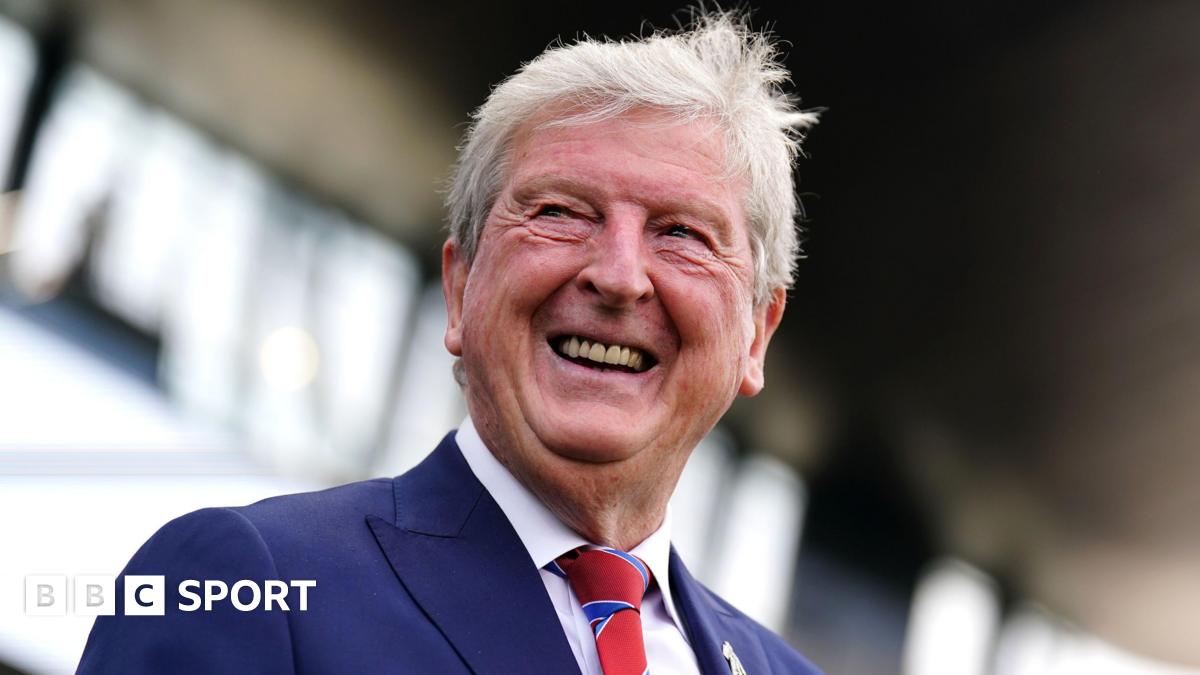
Roy Hodgson is back in a dugout. Let that sink in for a minute. The man is 78 years old. Most people at that stage of life are enjoying a quiet retirement, perhaps tending to a garden or reading historical biographies.
Hodgson is voluntarily stepping into the thresher. He is walking right into the pressure cooker of Ashton Gate to manage Bristol City. The Championship is an unforgiving meat grinder of a division.
It demands twice-weekly fixtures, constant travel, and relentless physical output. Yet, here he is. As the BBC noted, his idea of celebrating fifty years in management is to put the tracksuit back on.
Bristol City have pulled the trigger on Gerhard Struber. They are panicked. They are staring at the trapdoor. The board has opted for the ultimate tactical fire blanket.
The Austrian Experiment Fails
To understand why Bristol City have made this desperate move, you have to look at the mess they are currently in. Gerhard Struber was supposed to be a modernising force. He came with the Red Bull stamp of approval.
He preached heavy metal football, intense counter-pressing, and rapid vertical transitions. It sounded great in the boardroom. It looked terrible on the pitch.
The problem with implementing a high-wire tactical system in the Championship is that you need the personnel to execute it perfectly. Struber demanded his players press aggressively high up the pitch. This left massive gaps in transition.
When the press was bypassed, the centre-backs were horribly exposed. Opposing teams figured it out quickly. Bypass the first line of pressure, and you have acres of space to run into.
Struber's midfield lacked the athletic capacity to cover the ground required. The distances between the defensive line and the midfield block were often comical. You cannot play a high line without intense pressure on the ball carrier.
Bristol City failed at both. They bled goals. The confidence evaporated completely. The fans turned on the manager, and the inevitable happened.
A Drastic Tactical Shift
Enter Hodgson. The appointment is a complete 180-degree turn in philosophy. It is an admission of absolute failure by the Bristol City hierarchy.
They tried the progressive, modern route and got burned. Now, they are reverting to the safest, most conservative option available on the market. He is appointed as the interim head coach until the end of the season.
His brief is painfully simple. Stop the bleeding. Keep them up. Tactically, we all know exactly what is coming.
Hodgson has not changed his fundamental approach to the game in decades. He will immediately install a rigid 4-4-2 or 4-4-1-1 formation. The days of chaotic high pressing are completely over.
Bristol City will drop into a low or mid-block. They will compress the space between the lines. The priority will be shape over possession.
Hodgson drills his teams relentlessly on their defensive shape. Every player will know exactly where they need to be in relation to the ball. The wingers will be instructed to tuck in and protect their full-backs.
The central midfielders will sit deep and shield the centre-backs. The defensive line will drop deep to deny space in behind. It will not be pretty.
It will be incredibly frustrating to play against. This is exactly what Bristol City need in the short term. They need to become hard to beat.
They need to stop conceding cheap goals in transition. Hodgson will make them compact. He will force opponents to play in front of them, rather than through them.
The Ghost of 1982
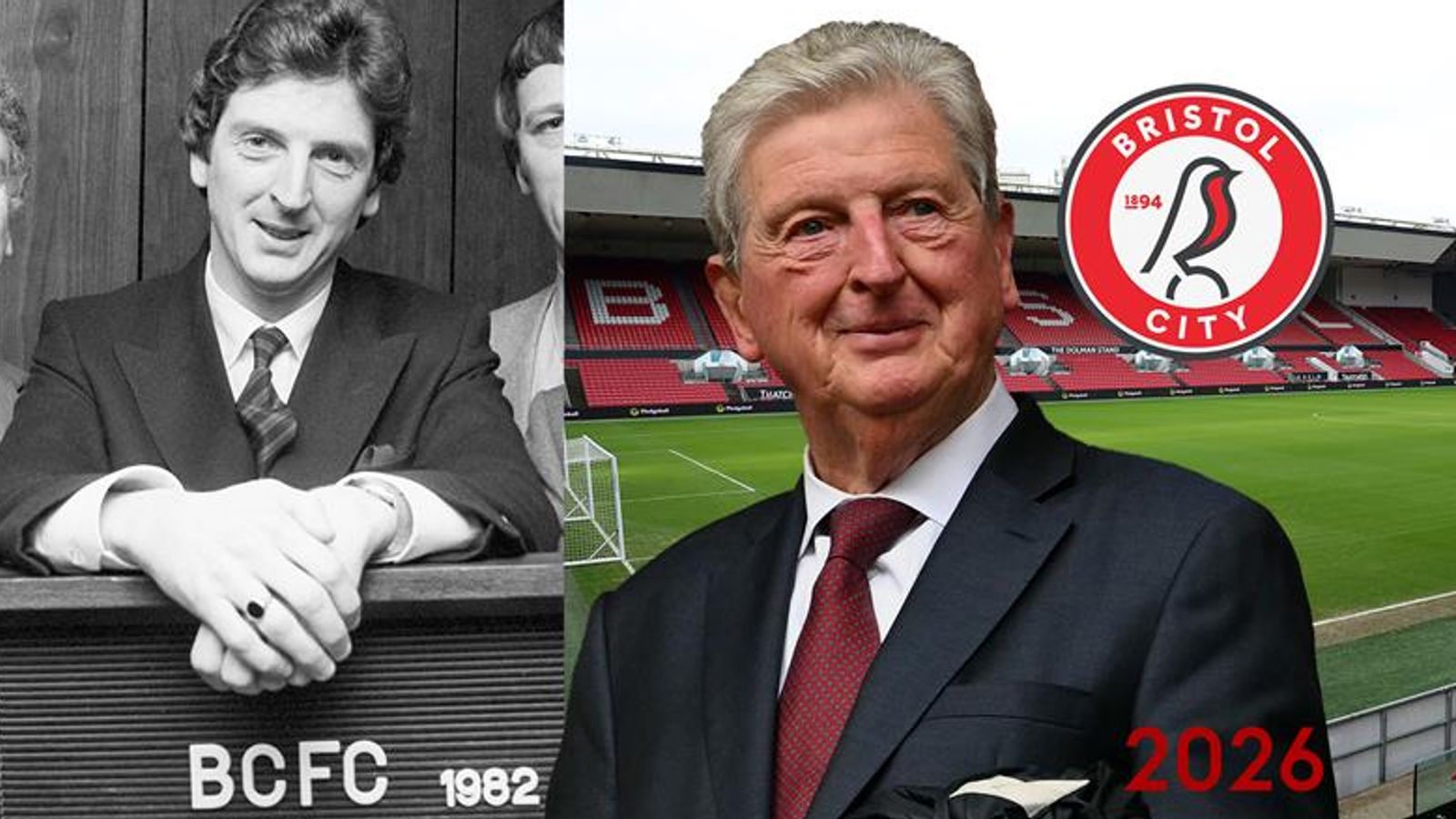
There is, of course, a strange romantic element to this story. Hodgson managing the same club four decades apart is a statistical anomaly. As The Guardian reported, he last managed a second-tier club back in 1982.
That is a gap of 43 years. In 1982, football was a completely different sport. The pitches were mud baths. The tactics were rudimentary.
The back-pass rule did not even exist. Hodgson was a young, innovative coach back then, fresh from his success in Sweden. Now, he is the elder statesman of English football.
He has seen absolutely everything. He has managed the national team. He has taken Fulham to a European final. He has rescued clubs from relegation trouble on multiple occasions.
He brings an aura of calm authority to a club that is currently panicking. That psychological impact cannot be underestimated. When Hodgson speaks, players listen.
He demands respect through his sheer wealth of experience. The dressing room will quiet down instantly. The focus will shift entirely to survival.
A Damning Indictment of the Board
While Hodgson might be the right man to fight a relegation battle, this appointment is a damning indictment of the Bristol City board. There is a glaring lack of long-term planning here.
You do not go from Gerhard Struber to Roy Hodgson if you have a coherent footballing philosophy. This is purely a reactive move driven by fear.
There are legitimate questions to be asked about Hodgson's ability to handle the rigours of the Championship at his age. The division has changed beyond recognition since his last stint.
It is faster, more tactical, and infinitely more physically demanding. Can a manager pushing 80 relate to a dressing room of young men? Can he handle the relentless Tuesday-Saturday-Tuesday schedule?
The travel alone is exhausting. The physical toll on a manager in this league is immense. Furthermore, what happens if he keeps them up?
Bristol City will be back to square one in the summer. They will need to find another manager. They will need to rebuild the squad yet again.
The cycle of short-termism continues unchecked. This club has been treading water in the Championship for years. They occasionally flirt with the playoffs before inevitably falling away.
The lack of a clear, overarching strategy is glaring. They are a club without an identity. Hiring Hodgson is a survival reflex, nothing more.
The Mechanics of Survival
Let us look closer at how Hodgson's system actually functions in practice. It is easy to label it as a simple low block, but the reality involves meticulous micro-management of spacing.
The distance between the centre-forward and the centre-back is rarely more than thirty yards when out of possession. The shape must be impeccably maintained.
The Training Ground Reality
Hodgson's immediate to-do list on the training ground is remarkably straightforward:
- Scrap the high defensive line immediately and drop the block deeper.
- Identify the two hardest-working central midfielders to shield the centre-backs.
- Drill the back four until they move as a single, synchronized unit.
This demands immense concentration. One lapse in focus, one player stepping out of line, and the whole structure collapses.
This is why Hodgson is known for mind-numbing repetition on the training ground. He drills these defensive rotations until they become muscle memory. Players often hate it, but they respect the results.
The Wide Channel Trap
The wide midfielders do not just drop back. They actively shuttle inside to congest the half-spaces. This forces the opposition to pass the ball into the wide channels.
Once the ball goes wide, the full-back engages while the wide midfielder drops to double up. It is a suffocating web designed to frustrate attacking players.
Bristol City's current squad is not built for this. They were recruited to play high-tempo attacking football. Asking these players to suddenly sit deep and suffer without the ball will be a massive culture shock.
Hodgson has to identify the players willing to buy into this attritional style immediately. There is no time for long evaluations. He needs soldiers right now.
The Final Verdict
The immediate challenge will be lifting the gloom around Ashton Gate. The atmosphere has been totally toxic in recent weeks. The fans have lost patience with the team's soft underbelly.
Hodgson needs to secure a positive result quickly to change the narrative. A scrappy, ugly 1-0 win would be the ideal start. It would validate his methods instantly.
The coming weeks will be a fascinating clash of styles. Bristol City will face teams aiming for promotion who want to dominate the ball. Hodgson will be perfectly happy to let them have it.
He will set his traps and wait. He will challenge them to break down his organized defensive block. Many teams in this division lack the guile to pick the lock against a deep defense.
They will pass the ball side to side, grow frustrated, and eventually lump a cross into the box for the centre-backs to head clear. Will it be enough to save them? Probably.
The bottom of the Championship is weak this season. There are teams with far less quality than Bristol City struggling to pick up points. Hodgson knows how to grind out results.
He knows how to organize a defense. He knows how to navigate a relegation scrap. He has done it time and time again in the Premier League.
Bristol City will survive. It will not be an enjoyable watch for the purists. The football will be grim, mechanical, and entirely functional.
There will be numerous boring draws. But there will also be enough narrow victories to drag them over the dotted line. Hodgson will do exactly what he has been brought in to do.
He will organize the chaos. He will provide a temporary fix to a deep-rooted problem. Bristol City will live to fight another season in the Championship.
But until the board implements a sustainable, long-term vision, they will continue to rely on fire blankets to avoid getting burned. The survival instinct is strong, but the ambition remains entirely absent.
Read Next
- Bristol City's tactical handbrake as Roy Hodgson replaces Gerhard Struber
- Bristol City hiring a 78-year-old Roy Hodgson is pure survival instinct
- Bristol City hit the panic button, and Roy Hodgson answers the Bat-Signal
- Thomas Tuchel is turning England training into a 35-man Battle Royale
- 🏟 EFL Championship 2025-26 — Promotion Race & Play-Off Final Hub