The ghosts of past tournament failures linger
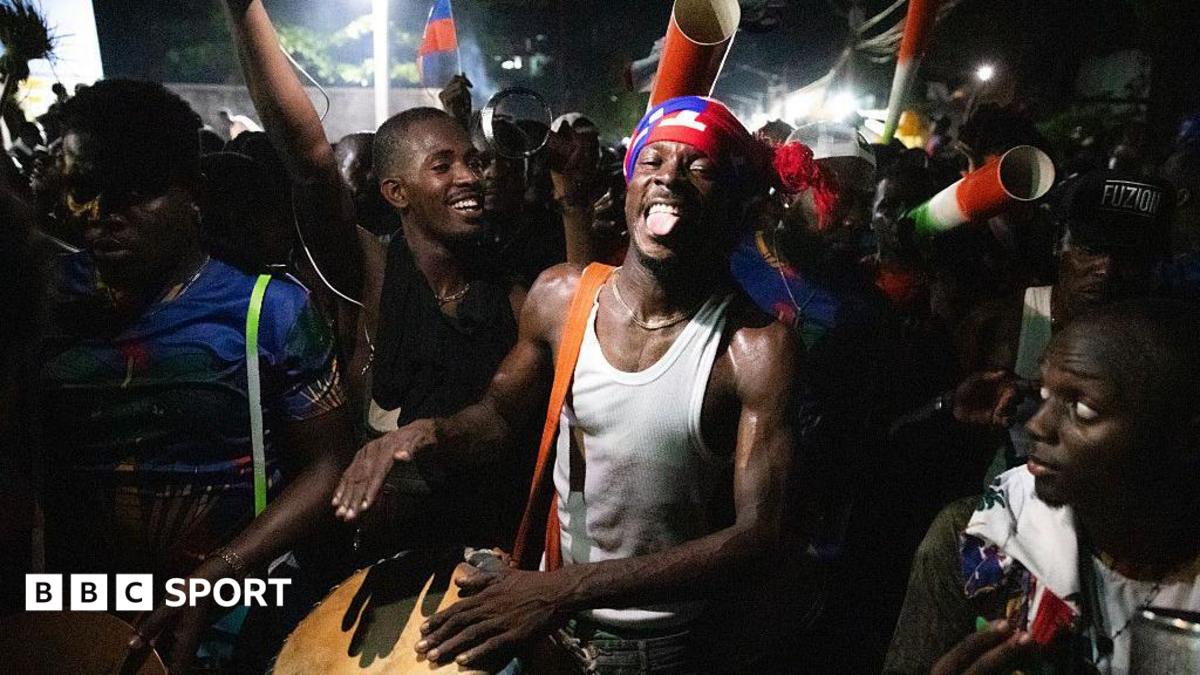
Scotland enters the opening match of the World Cup not as a favorite, but as a side burdened by the expectation of finally breaking a cycle of early exits. The build-up on Sportsound featuring Willie Miller and Andy Halliday highlights the nervous energy surrounding the squad. We have seen this script before, where the optimism of the qualification campaign hits the reality of elite international tournament football.
Tactical rigidity or necessary caution?
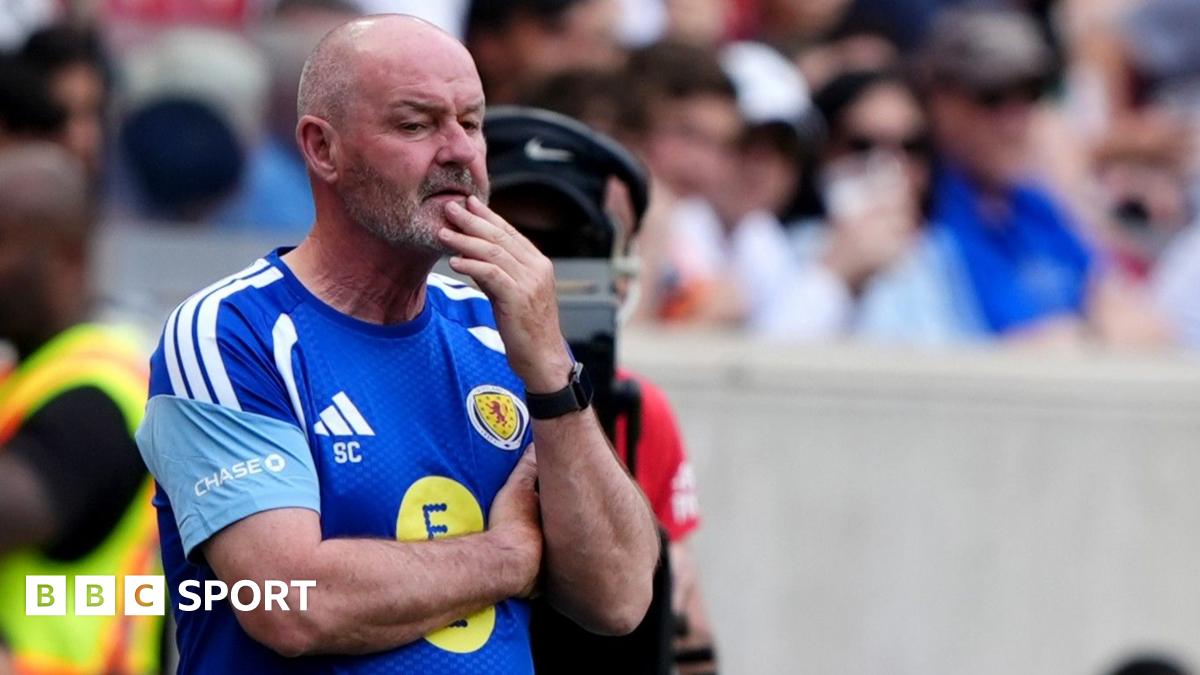
Steve Clarke has built his reputation on a disciplined 3-5-2 structure that relies heavily on wing-back efficiency. The problem remains the lack of a clinical finisher to convert the limited xG generated against high-level European opposition. During the buildup, analysts noted the lack of pace in the transition game, which could leave the midfield isolated if the press is broken easily.
As heard on the Sportsound build-up, the weight of a nation resting on a single group stage opener often leads to paralysis in the final third.
The defensive pivot, while theoretically sound, often lacks the recovery speed required to handle world-class wingers. If Scotland sits too deep in the first 20 minutes, they invite unnecessary pressure that will inevitably crack their set-piece organization. We have seen this defensive fragility manifest in previous campaigns where concentration lapses occurred in the 82nd minute or later.
Midfield dynamics and the creative void
The reliance on a narrow midfield diamond allows for consistent possession recycling but stifles the width required to stretch an organized back four. When the opposition forces Scotland to play through the middle, the lack of a creative #10 becomes glaring. Andy Halliday pointed out that the squad's tendency to pivot backward rather than engaging in progressive carries is a major tactical bottleneck.
- Lack of vertical passing lanes through the half-spaces.
- Predictable service to the target men in the box.
- Over-reliance on long-range efforts rather than breaking into the area.
The gamble on the starting eleven
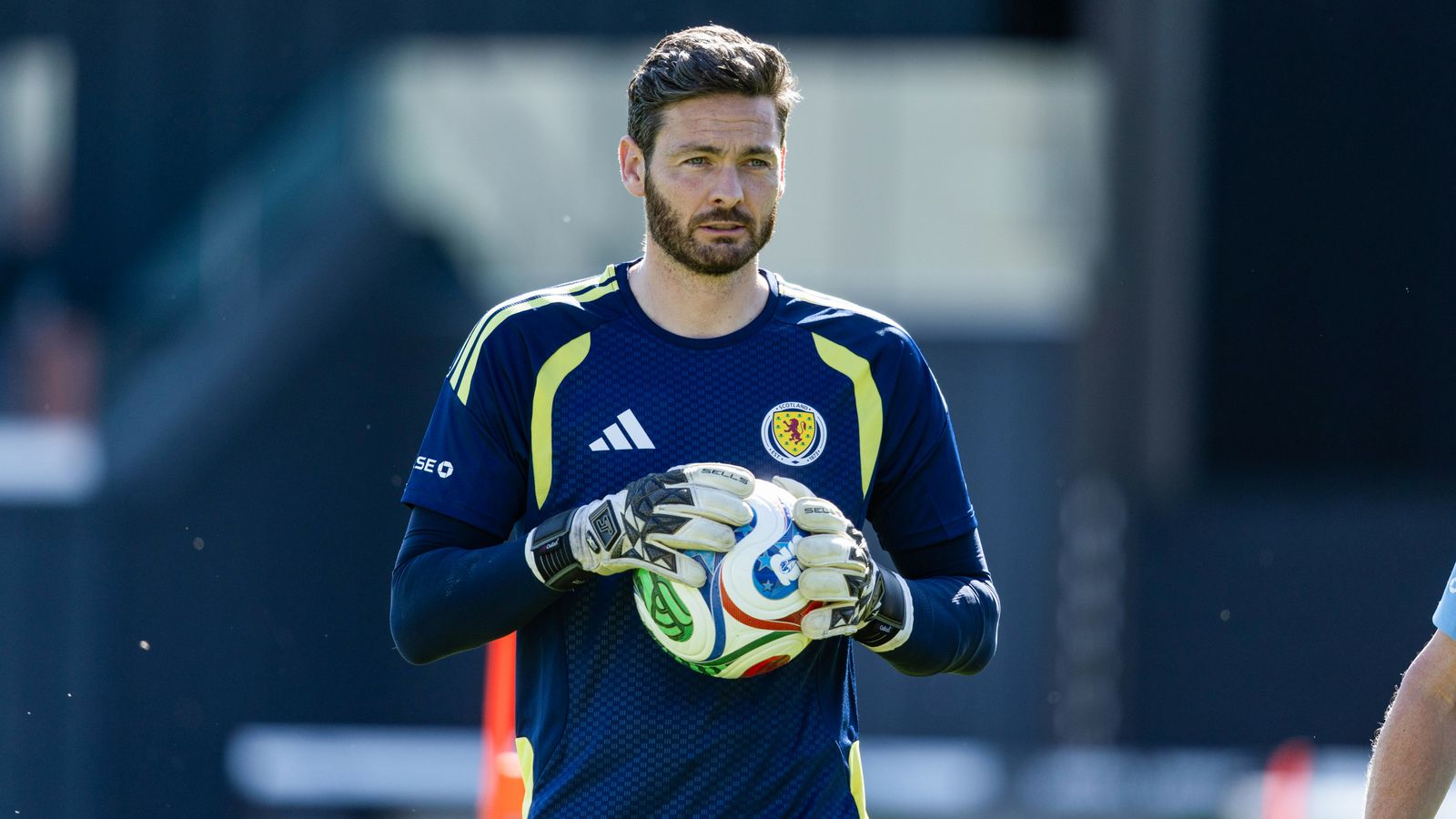
There is a growing concern that the manager is doubling down on veterans regardless of form. Relying on players with declining recovery stats in a tournament condensed to 3-day turnarounds is a recipe for a fatigue-related collapse during the second half of the group stages. The substitution bench lacks the depth to change the tempo if the game is tied at 65 minutes.
We have to address the elephant in the room: the tactical conservatism that defined the qualifying stretch. It secured the spot, but it likely won't win a knockout-style match. The refusal to integrate younger, more dynamic profiles into the engine room feels like a missed opportunity to evolve before the tournament starts. Predicting against one's own pessimism is difficult, but the math suggests a stagnant draw. Scotland will likely scrape a 1-1 scoreline through a set-piece goal, but their lack of a goal-scoring threat will leave their future in the tournament in a precarious spot for matchday two.
Read Next
- Haiti vs Scotland: Why you shouldn't sleep on this World Cup opener
- Haiti's 52-year World Cup wait is a tactical anomaly
- Scotland are walking into a Haiti minefield and the fans know it
- Steve Clarke's midfield headache won't fix itself against Haiti
- 🏆 World Cup 2026 — Full Coverage Hub
- 🏴 Scotland World Cup 2026 — Tartan Army Hub
- 🇧🇷 WC 2026 Group C — Brazil, Morocco, Scotland, Haiti