The engine room is sputtering
If you have been watching Scotland across the qualifying cycle, you know the drill. It is a slow, methodical grind that relies on a midfield unit which, frankly, looks like it is running on fumes and legacy picks. Steve Clarke has built a team defined by defensive rigidity, but move the ball into the center of the park beyond the safety of his trusted veterans, and the whole thing starts to feel like a high school project due in ten minutes.
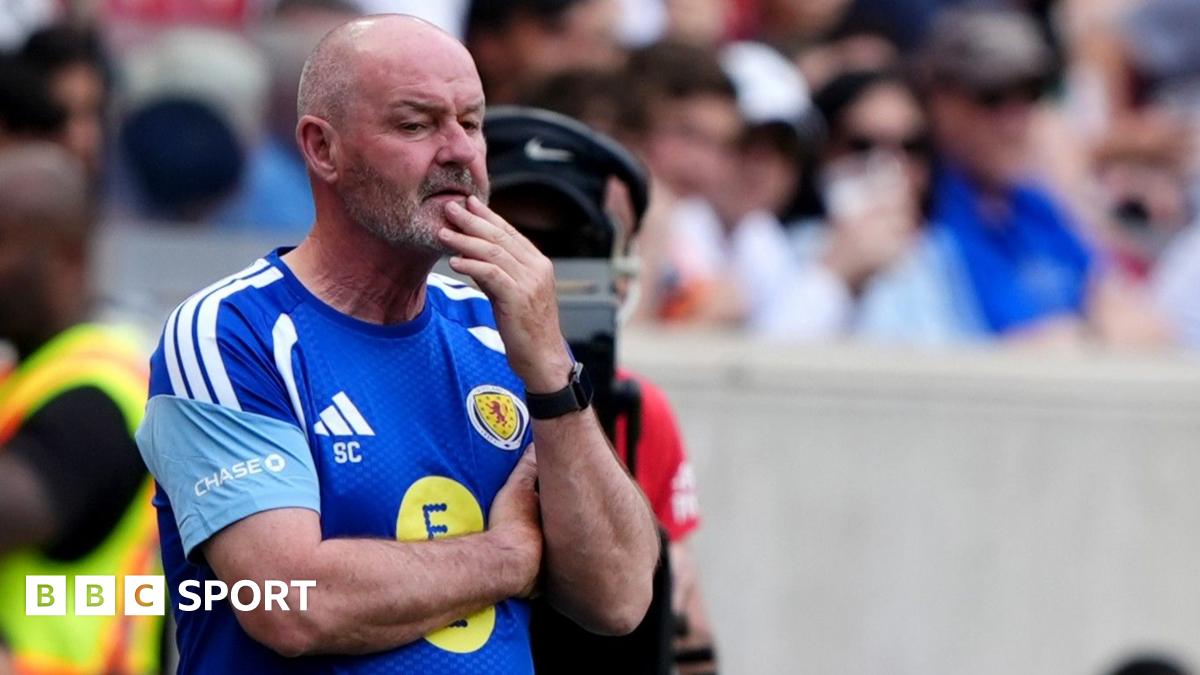
Reports out of the camp suggest Clarke is weighing a significant shake-up before the Haiti match. It is not just about freshening up the XI; it is an admission that the current equilibrium is failing. Relying on the same block of three or four players has made this team as predictable as a direct-to-video action flick. We keep waiting for the tactical pivot, but the pivot never comes.
Tactical stagnation or stubbornness?
The murmurs surrounding potential academy call-ups or positional shifts are reaching a fever pitch. According to BBC Scotland, the manager is genuinely mulling over a curveball to jumpstart the creative transition. It is about time. You can only play with three holding mids for so long before your fan base starts throwing their pints at the tele.
Haiti might be the perfect sacrificial lamb for this experiment. If you cannot rotate the squad or adjust the tactical shape when facing an opponent that requires a bit more flair than grit, why are we even bothering? The criticism here isn't that Clarke is bad at his job, but that he is terrified of his own shadow. He has a roster with genuine technical capability, yet he chains them to a system that prioritizes not losing over actually winning with style.
Why the Haiti game is a litmus test
Let’s be honest about the stakes. You can trot out the usual suspects against a powerhouse and get away with a narrow defeat, calling it a positive result. But you don't get that grace when playing a team where Scotland should be dictating the terms of engagement. If we see a conservative lineup that invites pressure rather than creating it, the honeymoon phase for the current coaching staff is officially entering its terminal stage.
The data suggests that when Scotland fails to connect the back line to the strikers in the final third, the possession stats reflect a total waste of time. Too many passes are sideways, too many runs are made without purpose, and the final ball is frequently over-hit. Steve Clarke needs to stop coaching like he is defending a fortress and start playing like he wants to occupy the opposition half for more than five consecutive minutes.
If the starting lineup for this fixture looks identical to the last, we are effectively watching a manager stuck in a loop of his own making. The irony is that the fans want exactly what the headlines are hinting at: a bit of unpredictability. Unleash someone with the mandate to drive at the defense, move the ball centrally rather than constantly feeding the wings, and give the crowd a reason to stand up.
This isn't just about tweaking a formation on a sheet of paper. It is about the intent behind the personnel choices. If the manager sticks to his old guard because he’s afraid of a mistake, he’s already lost the initiative. Sometimes the biggest mistake you can make in international football is assuming that what worked three years ago will carry you through to the next tournament cycle.
Clarke has clearly spent his career earning the right to be stubborn. But even the best managers eventually find themselves staring at a scoreboard that demands change. If he doesn't throw that curveball now, he might find himself standing on the sidelines of a major tournament with a system that everyone else in the room has already figured out how to dismantle.
Read Next
- Scotland are back at the World Cup table after 28 years of misery
- Scotland need Scott McTominay to anchor the midfield against Haiti
- Scotland’s reliance on Scott McTominay is a structural flaw
- Steve Clarke faces a defining moment in Scotland’s World Cup opener
- 🏴 Scotland World Cup 2026 — Tartan Army Hub
- 🇧🇷 WC 2026 Group C — Brazil, Morocco, Scotland, Haiti