Tactical fragility in the transition
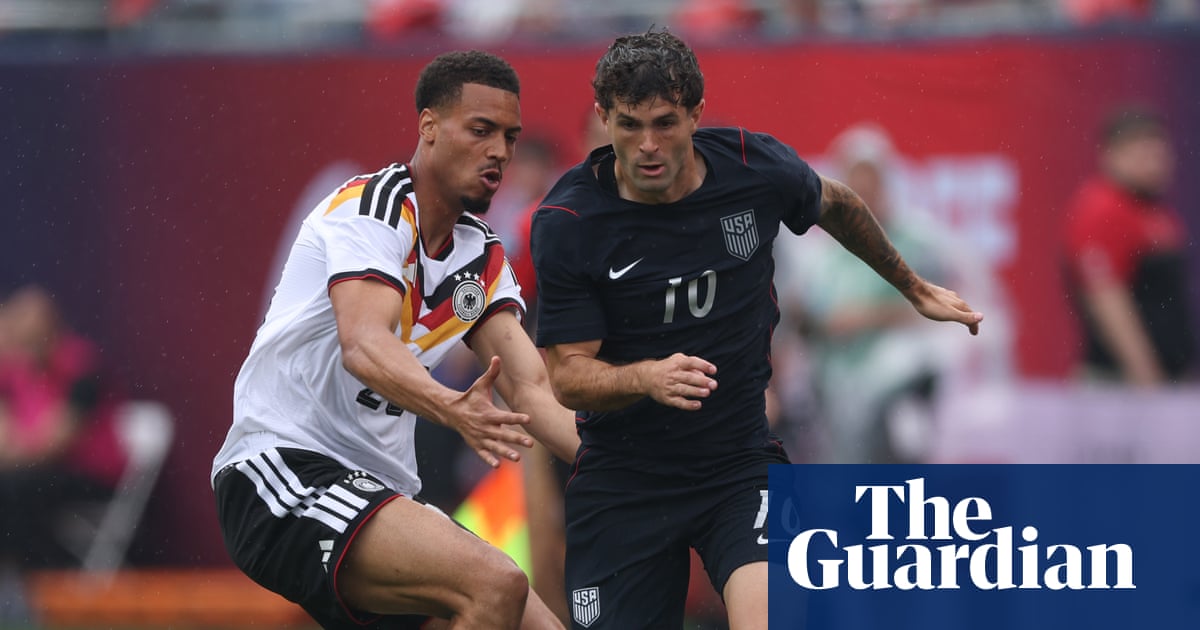
Mauricio Pochettino’s experiment with the USMNT took a brutal knock at Soldier Field on June 7. Conceding in the 2nd minute against Germany is not just a lapse in concentration; it is a structural failure. When you look at the spacing in the defensive third, the midfield pivot was caught playing too high, leaving the center-backs on an island against a ruthless German counter-attack.
While the recovery after the goal was spirited, the possession stats tell a story of a team still hunting for an identity. The Americans completed just 78% of their passes in the final third during the first half. Possession is useless if you treat it as a hot potato. Pochettino needs to find a way to anchor his deep-lying playmaker or this side will get picked apart by disciplined squads in four days.
The World Cup litmus test
The USMNT performance against Germany offers a sobering preview of what happens when quality opponents punish high-press mistakes. The pressing triggers were rarely synchronized. Christian Pulisic spent more energy tracking back to mitigate defensive holes than he did generating width in the attacking transition. This forced Robinson to tuck inside, effectively neutering the US wing-back pairing.
If the plan is to rely on individual talent to bail out a chaotic formation, the opening round will go poorly. Pochettino has had enough time to implement a cohesive defensive block. The fact that gaps were still visible in the 75th minute suggests the defensive schematics are not being absorbed at the speed required for an international tournament of this magnitude.
Predicting the group stage outcome
The intensity is there, but the tactical discipline is not. Based on the lack of spatial awareness displayed against Germany, I expect the US to struggle with high-tempo possession teams. They will score, but they will give up soft goals in the opening 10 minutes of their first two fixtures.
Managing a high-press system requires a midfield that can rotate under pressure without collapsing. Against top-tier competition, the US currently lacks the positional discipline to maintain that shape for 90 minutes. They will likely squeeze out a win against weaker opponents through raw athleticism, yet find themselves eliminated once they meet a team that can exploit their defensive transition lanes comfortably.
The defeat hurt, but the Americans’ response to an early German goal provided perhaps the clearest evidence yet that their manager’s message is taking root.
My prediction for the group stage is a total of four points, failing to advance due to an inferior goal difference. The defensive errors recorded at Soldier Field are not anomalies; they are recurring bugs in a system that still needs another year of refinement. Until the defensive line shows better communication during the transition between attacking and settling into a back four, they aren't deep-tournament material.
Read Next
- Liverpool’s identity crisis is the story of the summer
- Germany’s World Cup prep hinges on Kai Havertz’s form
- World Cup 2026 kicks off with more questions than answers
- Top 10: Defining Moments in Recent English Football
- 🏆 World Cup 2026 — Full Coverage Hub
- 🇺🇸 USMNT World Cup 2026 — Team USA Coverage Hub
- 🇩🇪 Germany World Cup 2026 — Die Mannschaft Hub
- ⚽ MLS 2026 Season Hub — World Cup Year Guide