Tactical naivety versus defensive pragmatism
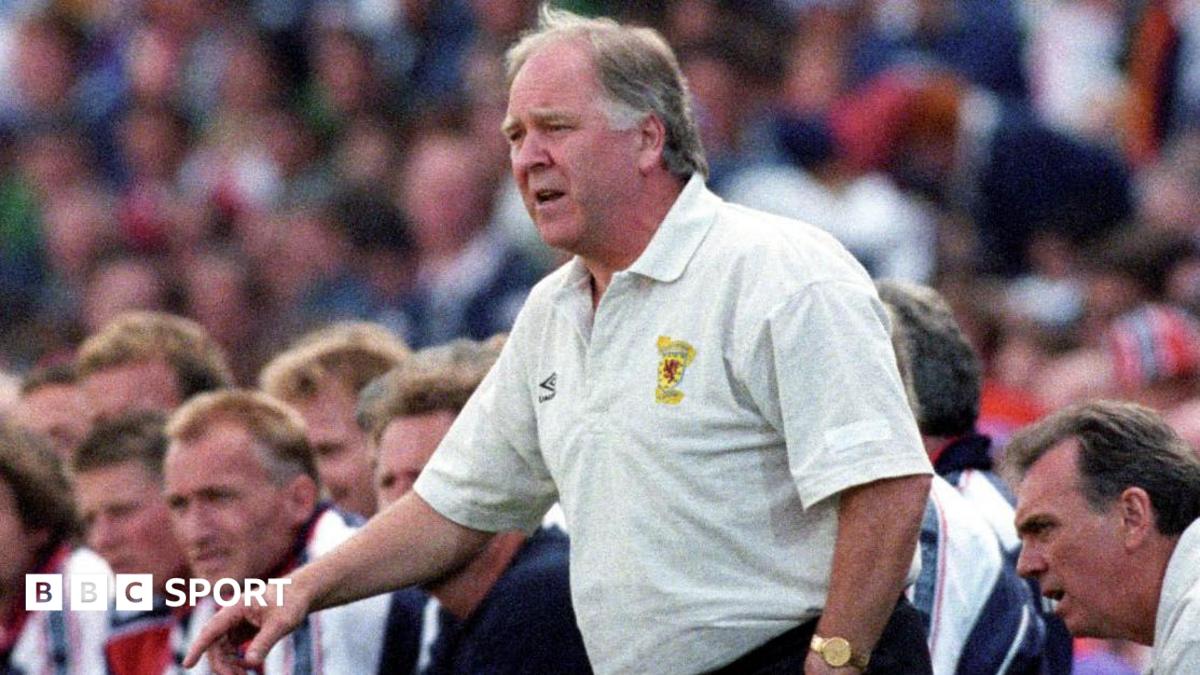
The archives of France 98 provide a cold, sobering lesson for Scotland. Under Craig Brown, the squad arrived with genuine optimism, yet the opener against Brazil effectively highlighted the gulf in technical proficiency. Watching the footage, the spacing between the Scottish midfield and defense was nonexistent.
Brown had them playing a rigid 5-3-2 that relied on individual heroism rather than coordinated pressing. When John Collins converted his penalty in the 38th minute of that tournament opener, the nation briefly believed. The structural collapse that followed—a 90th-minute own goal by Tom Boyd—remains the archetype for Scottish heartbreak.
The shadow of the 1998 tournament path
History repeats itself in the Scottish mindset. Every major tournament cycle, fans return to the recollections of Craig Brown to gauge current progress. Brown’s side at least knew their limitations, sitting deep and inviting pressure to minimize the space for high-tier attacking talent.
Modern international football has shifted away from such dour approaches. A team playing that style today would be ripped apart by progressive passing maps and high-xG transitions. The reliance on long balls to isolate a lone striker is a dead-end tactic in the current era.
Why defensive stability is no longer enough
One critical flaw in the 1998 setup was the lack of a secondary attacking outlet after the wingbacks pushed forward. Scotland were pinned back for 70 percent of their possession time against Brazil. Relying on late, scraps-based goals is simply not a repeatable strategy at the elite level.
Current squads have evolved to value possession retention in the middle third. If the midfield cannot dictate tempo, even the most organized back line, like the one that famously conceded three against Norway and Brazil in their Group A campaign, will eventually fold under sustained verticality. A repeat of that level of passivity would be disastrous in 2026.
Predicting the path forward
History acts as a mirror, and the 1998 campaign shows exactly how high the cost is when you stop playing proactively. Scotland must move past this nostalgia-heavy reliance on gritty, low-block defensive structures. The game demands high-intensity gegenpressing and diagonal ball progression to beat modern organized defensive blocks.
My prediction for the coming cycle is that teams still living in the shadow of 1998-style containment will suffer a swift exit. If you cannot evolve your tactical triggers to include a coherent front-line press, you are effectively choosing to lose by a scoreline of 2-1 every single match. The days of earning points through pure grit are over; efficiency is the only currency remaining.
Read Next
- Scotland playing Traitors to prep for the World Cup is pure chaos
- Scotland fans survive McTominay scare ahead of the Haiti clash
- Thomas Partey out for Ghana's opener poses a massive tactical headache
- Steve Clarke faces a defining moment in Scotland’s World Cup opener
- 🏴 Scotland World Cup 2026 — Tartan Army Hub
- 🇧🇷 WC 2026 Group C — Brazil, Morocco, Scotland, Haiti