Source Credibility: Tier 1
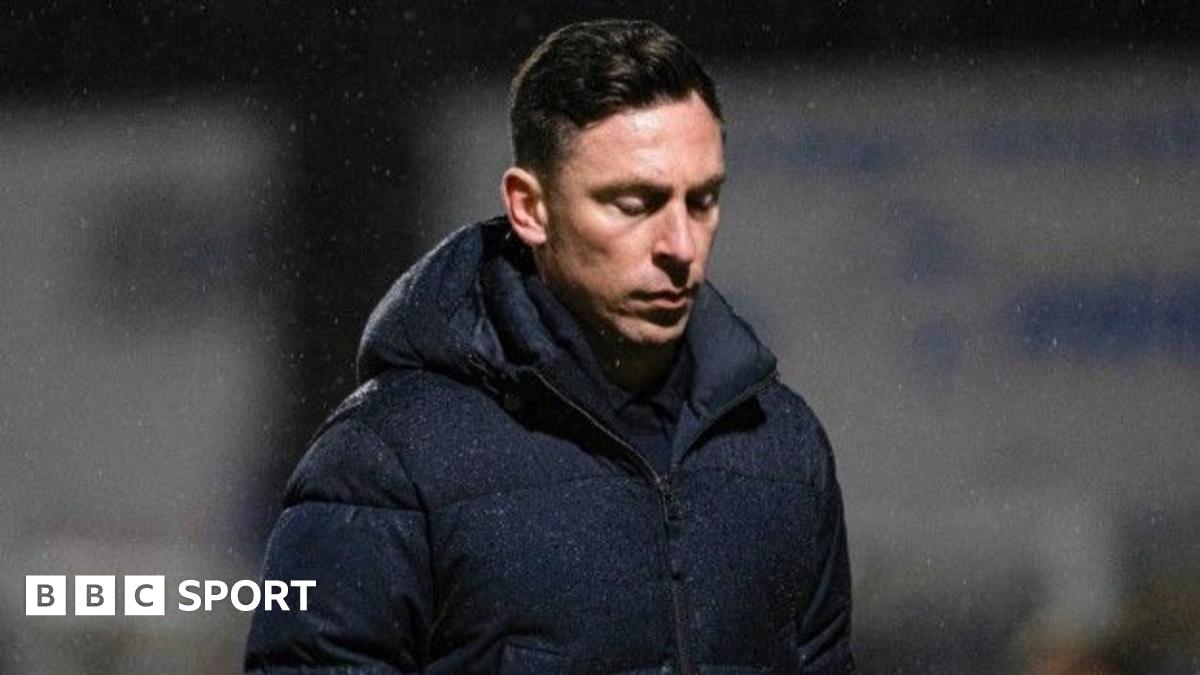
The news is confirmed. In a brief statement released across major UK outlets, including the BBC and Sky Sports, Ayr United announced that manager Scott Brown has left the club 'by mutual consent'. This isn't a rumour; it's a done deal. The parting of ways comes after a dismal run of form for the Scottish Championship side, bringing a premature end to an appointment that was once heralded with much optimism.
The End of a Failed Experiment
When Scott Brown was appointed manager of Ayr United, the move was seen as a major coup for the club. Here was a Celtic legend, a serial winner, a dominant figure in Scottish football for over a decade. The hope was that his personality, leadership, and winning mentality would permeate the club and elevate them to new heights. Supporters dreamed of a team forged in his image: tenacious, aggressive, and utterly committed.
However, as the Daily Mail notes, the initial excitement quickly faded. The 'unofficial rebranding' of the 116-year-old club around the 'Broony' identity began to wear thin as results on the pitch failed to materialize. The reality of football management is brutal, and a legendary playing career offers no protection from a string of poor performances. The faith and patience of the supporters, once a key asset, began to erode with each passing defeat.
Manager Profile: Scott Brown
As a player, Scott Brown was an institution. The heart and soul of Celtic for 14 seasons, he captained the club through an era of unprecedented dominance, including the historic 'Quadruple Treble'. He made 620 appearances for the Hoops and earned 55 caps for Scotland. His style was defined by relentless energy, tough tackling, and an unshakeable will to win. He was a player opponents hated and teammates revered.
His transition into management, however, has been fraught with difficulty. His first job at Fleetwood Town in English League One started promisingly but ended in a sacking after a poor start to his second season. His tenure at Ayr United has now followed a similar, albeit accelerated, trajectory. The core challenge for Brown appears to be translating his elite, top-level playing mentality to squads with significantly less technical quality and resources.
Where It Went Wrong at Ayr
The fundamental issue was a disconnect between the manager's reputation and the team's on-field product. An effective playing identity never emerged. The team lacked the cohesion and fighting spirit that were the hallmarks of Brown's own career. While Brown the player could impose his will on a match through sheer force of personality, Brown the manager has struggled to impart that same quality onto his teams from the touchline.
A Critical Disconnect
Herein lies the critical, and perhaps negative, observation of his managerial career so far: Brown's greatest strengths as a player may be his biggest weaknesses as a manager in the lower leagues. He operated in a Celtic team that dominated possession and had the best players in the country. He could lead by example because his teammates were of a similar elite calibre. At Fleetwood and Ayr, the challenge is entirely different. It's about organizing a defence, grinding out results with limited resources, and motivating players who may not possess the same intrinsic drive that he did. The expectation that his players should simply 'want it more' is not a sustainable tactical philosophy.
What's Next for Scott Brown?
This second departure in as many jobs leaves Brown at a career crossroads. Does he take a step back and perhaps join a coaching staff under a more experienced manager to learn the trade away from the immediate pressure of the top job? Or does he believe in his methods and seek a third opportunity to prove himself as a number one? Punditry is always an option for a player of his stature, but it's unlikely to satisfy his competitive fire. His next move will be crucial in defining whether he has a long-term future in management.
What's Next for Ayr United?
For Ayr, the focus is simple: survival. The decision to part ways with Brown was made to arrest a slide that threatened their Scottish Championship status. They will now be searching for a manager with a proven track record of organizing teams in the division, a pragmatist who can quickly shore up the defence and grind out the necessary points. The experiment with a big-name, rookie manager has failed; expect them to now prioritize experience and stability over star power.
Final Verdict
This was not a transfer rumour with a 'here we go' chance; it was a slow-motion crash that was confirmed the moment the club released its statement. The 'mutual consent' line is standard football parlance for a sacking that all parties agree is necessary. The probability of the split became 100% as soon as the board concluded that Brown was not the man to steer them away from the precipice. It's a sad end to a hopeful chapter for both club and manager, but ultimately, it is the correct and only decision that could have been made.