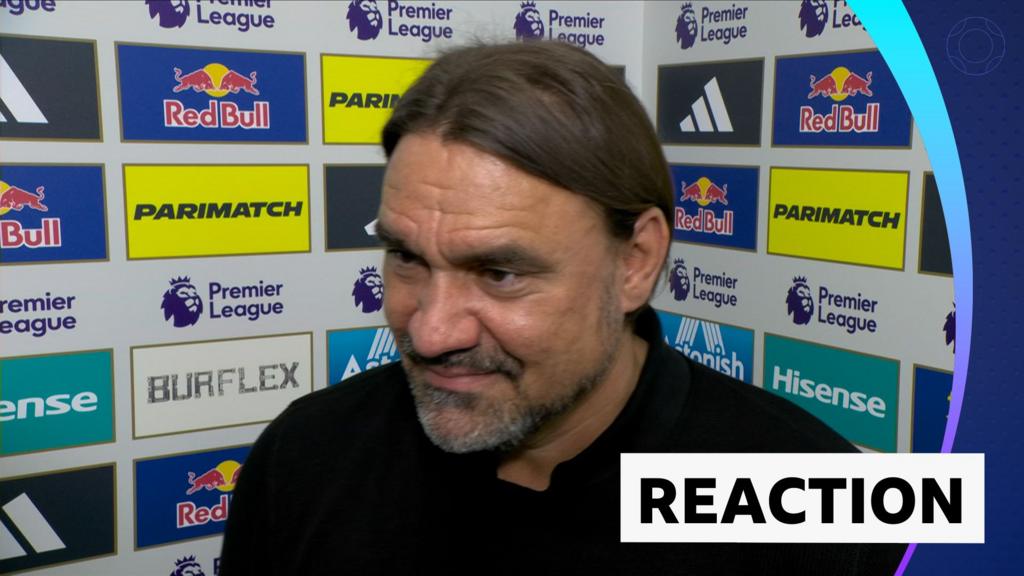
Sean Longstaff is saving Leeds United when it matters most

Tactical desperation at the Vitality Stadium
The 93rd-minute equalizer from Sean Longstaff was not merely a reprieve for Leeds United; it was a tactical intervention against a Bournemouth side that had dominated the vertical space for the majority of the match. Leeds arrived at the Vitality Stadium with a clear instruction to isolate the wide channels, yet they found themselves pinned back by an aggressive press that nullified their transition game for over an hour.
Bournemouth managed to dictate the tempo by forcing Leeds into low-block scenarios, recording an xG of 1.84 compared to the visitors' 0.92. When the ball finally fell to Longstaff in the final third, his finish was clinical, demonstrating a composure that had been entirely absent from the Leeds midfield throughout the opening 90 minutes. It was a 1-1 result that papers over deep-seated structural cracks.
The math behind the survival struggle
Leeds United's insistence on long-ball distribution into the final third has become a predictable habit. With a pass completion rate that hovered around 68 percent in the first half, the team struggled to maintain possession against a Bournemouth midfield that thrived on second-ball recoveries. Managerial adjustments are clearly required if they expect to survive the final stretch of the season.
The current reliance on individual moments of brilliance from players like Longstaff to avoid defeat is unsustainable. As reported by Sky Sports, this result brings Leeds to the edge of safety but doesn't solve their lack of fluidity out of defense. They are currently over-leveraged on defensive resilience while failing to build coherent attacks from the back four.
Missing the vertical transition
The disconnect between the Leeds holding midfielders and the attacking wingers remains a primary concern for the coaching staff. Against Bournemouth, the lack of central progression forced the team to bypass the middle of the pitch entirely, leaving their strikers isolated against a disciplined defensive line. This approach might secure a draw against mid-table opposition, but it is a flawed strategy against teams with better organization.
Defensive lapses in the 42nd minute nearly cost them the match entirely, as the backline was caught out of position during a routine Bournemouth counter-attack. A more clinical finisher would have punished that error, leaving Leeds with nothing to show for their efforts. Luck has been on their side, but the metrics confirm that they are drifting dangerously close to relegation thresholds.
Reframing the late-game narrative
While the draw feels like a victory for the traveling support, the reality of the performance is far more sobering. The team needs more than just individual goals in stoppage time to secure their future in the division. There is a perceptible lack of urgency in the first 30 minutes of play, an issue that must be addressed before they face tougher opposition heading into the final gameweeks of April and May.
Tactical discipline is not optional at this stage of the campaign. Continuing to rely on late-match rescues ignores the systemic failures occuring in the first half of every fixture. Unless they improve their shot map efficiency—which was abysmal for most of the match—they will find that even this solitary point is not enough to keep them clear of the drop zone.
Read Next
- Top 10: The Most Volatile Football Moments of the 2025/26 Season
- Bournemouth are tactically trapped by their own possession patterns
- Bournemouth are tactically stifling Leeds before the playoff push
- Bournemouth are walking into a tactical trap against Leeds
- 🏟 EFL Championship 2025-26 — Promotion Race & Play-Off Final Hub
The Greatest Show on Earth: The Inside Story of the Legendary 1970 World Cup
The oral history of Pelé and the greatest tournament in football history.
Frequently Asked Questions
How did Leeds United perform against Bournemouth?
Why is Leeds United's reliance on late goals considered a risk?
What issues affected Leeds United's possession against Bournemouth?
What is the primary tactical failure in the Leeds United squad?
What must Leeds United improve to avoid relegation?
More Coverage

Why Liverpool must be wary of the Yan Diomande Bundesliga trap
2 hours ago
Raheem Sterling's arrest is a disaster for his career timeline
4 hours ago
Kieran Trippier is the exact veteran Wolves need right now
4 hours ago
Adam Wharton emerges as top summer target for Arsenal's midfield evolution
5 hours ago
Manchester United’s Summer Obsession: Why Inconsistency Defines the Strategy
5 hours ago
Liverpool chasing Yan Diomande in high-stakes €150m transfer scramble
5 hours agoMore Analysis
Sean Longstaff just saved Leeds from a collective nervous breakdown
1 month ago
Leeds just proved why the relegation scrap is far from over
1 month, 2 weeks agoLeeds have finally found the defensive steel to survive the run-in
1 month, 1 week agoLeeds have finally silenced the doubters at Elland Road
4 weeks ago