When 'Protect Our Officials' Becomes 'Protect Our Image'
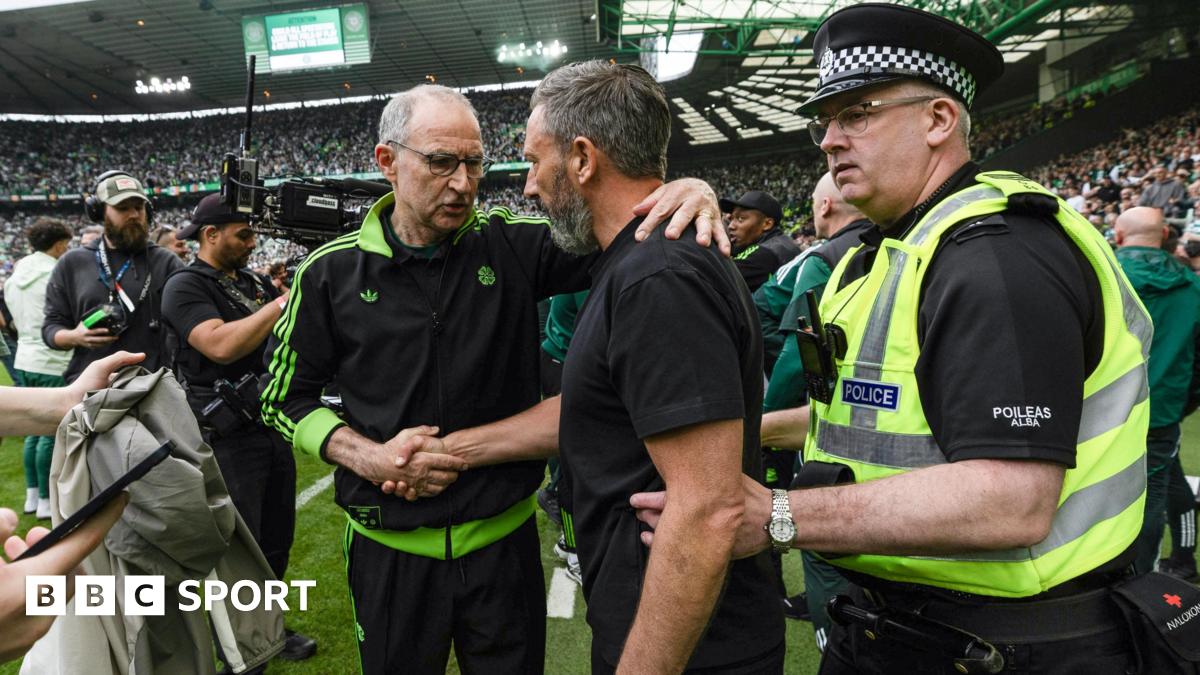
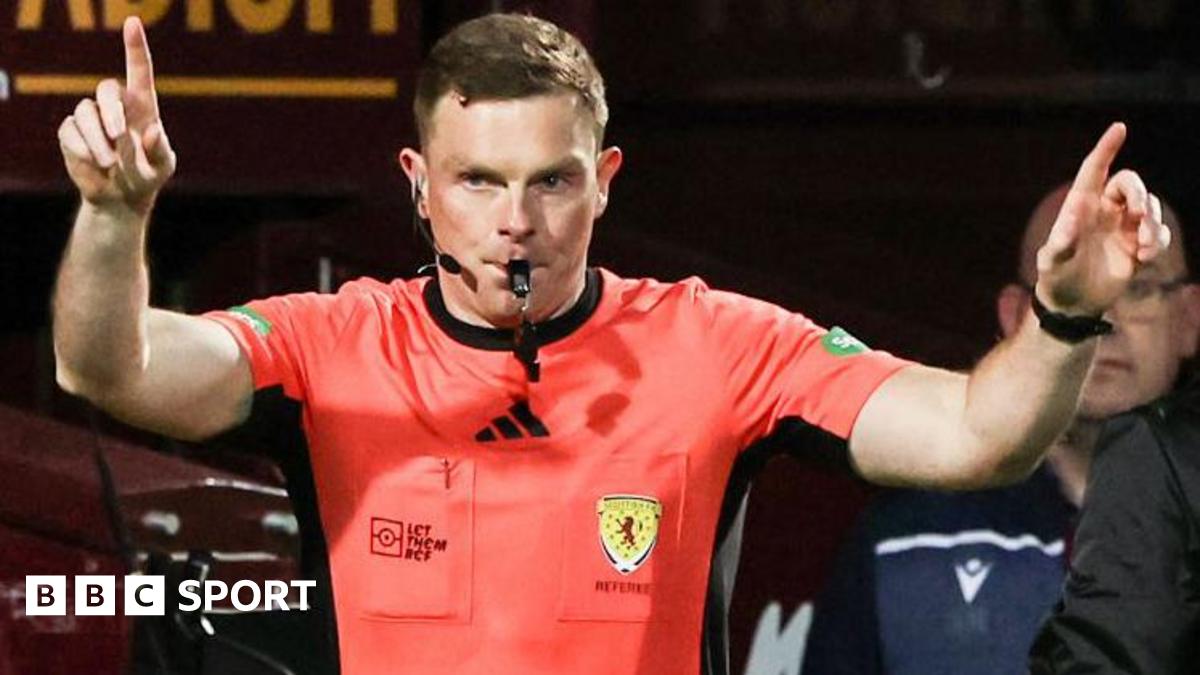
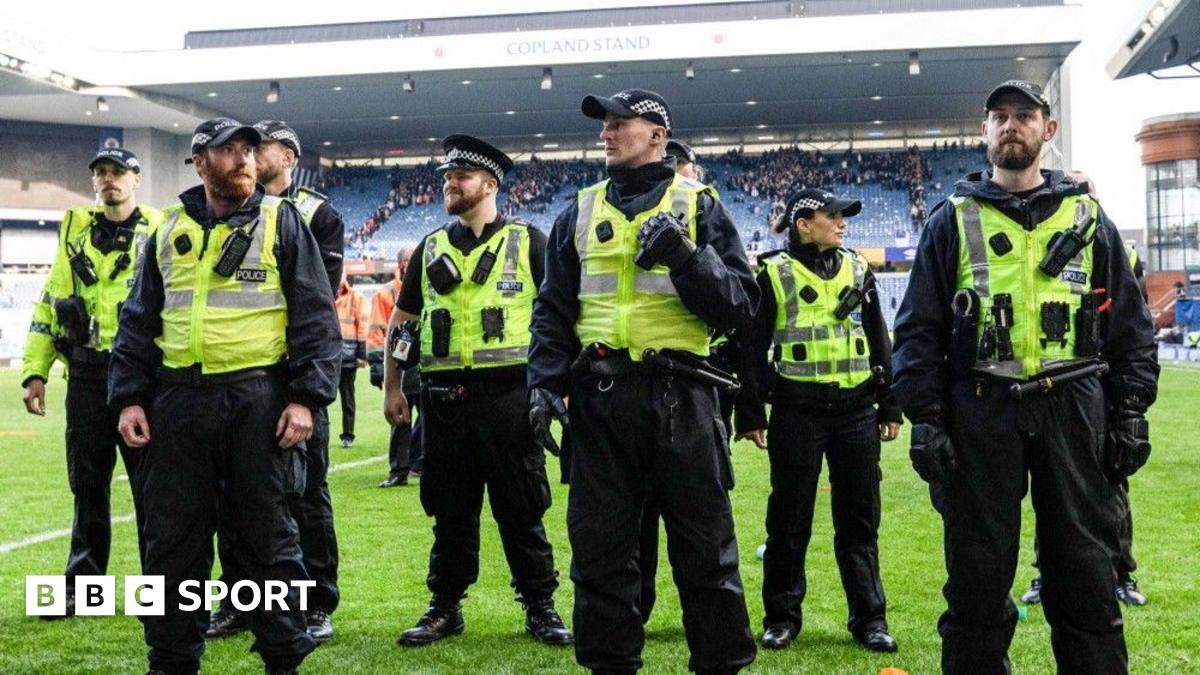
So, we're officially at the point where a Scottish football referee needs police protection after a game. Let that sink in for a minute. Not a player, not a manager, but the poor sod with the whistle. And what's the Scottish FA's brilliant, proactive response to this utterly damning indictment of the game's atmosphere? They point the finger at Stephen McInnes and the media. You can’t make this stuff up. It’s like watching a bad rerun of a tragic comedy, and frankly, Scottish football deserves better than this deflection.
This isn't just about a heated post-match interview or a few spicy headlines. This is about the very real erosion of respect for officials, reaching a crisis point where their personal safety is compromised. And for the SFA to immediately pivot to blaming the symptoms rather than diagnosing the disease? That's not just incompetence; it's a profound misunderstanding of their own responsibility.
The McInnes Blame Game: A Convenient Scapegoat
Stephen McInnes, bless his heart, is a manager. Managers talk. Sometimes they talk a lot of sense, sometimes they talk absolute nonsense, and sometimes they say things in the heat of the moment that they probably regret. Is he responsible for individual fans crossing the line into threats? Absolutely not. His job is to fight for his team, and part of that, unfortunately, involves publicly airing grievances, especially when he feels his side has been wronged.
To turn around and say 'it's McInnes's fault, and those pesky journalists who reported what he said' is the oldest trick in the book. It's the governing body equivalent of a schoolkid blaming the dog for eating their homework. It avoids the uncomfortable truth that maybe, just maybe, the environment for referees has become so toxic that a few critical comments can genuinely tip someone over the edge. It’s a sad state of affairs, and pinning it on a manager’s post-game rant feels cheap and desperate.
A History of Hostility: This Isn't New, Just Worse
Let's not pretend this is a sudden, unforeseen turn of events. The simmering resentment towards referees in Scottish football has been a slow-burn for years. From the terraces to the talk shows, every debatable decision is magnified into a grand conspiracy. Every dropped point is blamed on the man in black, rarely on a missed sitter or a defensive lapse.
You see it across the football world, of course. English football has its own perennial 'referee crisis' think-pieces, often sparked by a controversial VAR decision or a particularly gnarly tackle. Remember when Mike Dean became the pantomime villain every weekend? Or the relentless abuse officials like Anthony Taylor have received? But requiring actual police protection? That’s a chilling escalation that should have every single person involved in the game — from Hampden Park to the local park — sitting up and taking serious notice.
“The silence from governing bodies when officials are under fire is deafening, until it’s time to find a scapegoat.”
The SFA’s immediate reaction here feels like the equivalent of a homeowner discovering their roof has blown off in a hurricane and then complaining about the weather forecast. It doesn't address the fundamental structural weaknesses that led to the collapse. The real question is: what have you, the SFA, been doing to foster an environment of respect for officials? What training, what support, what robust disciplinary actions have been put in place to stamp out this culture of abuse?
The Media: Mirror or Malicious?
Now, let's talk about the media. Are they entirely blameless? Of course not. Modern sports journalism, particularly online, thrives on outrage and controversy. A fiery post-match interview from a manager like McInnes is gold. It generates clicks, drives debate, and often sells papers. To pretend otherwise is naive.
However, the media's role is largely reactive. They report on the comments made, they analyse the controversial incidents. They hold powerful figures to account – or at least, they try. To suggest that reporting on a manager's frustrations or a referee's perceived errors is the direct cause of someone needing police protection is a dangerous oversimplification. It diverts attention from the deep-seated issues of fan behaviour, the intense pressure on officials, and crucially, the SFA's own perceived inability to manage these tensions effectively.
If the SFA wants to truly address the media's impact, perhaps they should focus on transparency. Clearer explanations of controversial decisions, more open dialogue with officials and clubs, and a consistent application of rules could go a long way. But that takes effort, and blaming the messenger is always easier than facing uncomfortable truths.
The Real Crisis: SFA's Leadership Vacuum
Here’s the cold, hard truth, and my critical observation for the day: the SFA's reaction is symptomatic of a leadership vacuum when it comes to safeguarding the integrity and personnel of the game. They're quick to issue stern warnings and wag fingers after the horse has bolted, but seemingly slow to implement proactive measures that would genuinely protect officials and de-escalate tensions.
Where's the robust education campaign for fans on respecting officials? Where's the consistent and severe punishment for clubs whose supporters engage in threatening behaviour? Where's the public backing for referees when they make tough calls, even if those calls are wrong? It's one thing to say 'respect the referee,' it's another entirely to create an ecosystem where that respect is genuinely fostered and enforced.
This isn't just about this one incident. It’s a pattern. The SFA needs to look inwards, not outwards. They need to address the culture of criticism, the lack of perceived accountability for bad behaviour, and the immense pressure placed on a dwindling pool of officials. If they don't, we'll continue to see referees needing police escorts, and the Scottish FA will continue to look utterly clueless while everyone else pays the price. It's time for them to step up, or step aside.