Tactical breakdown of Group A
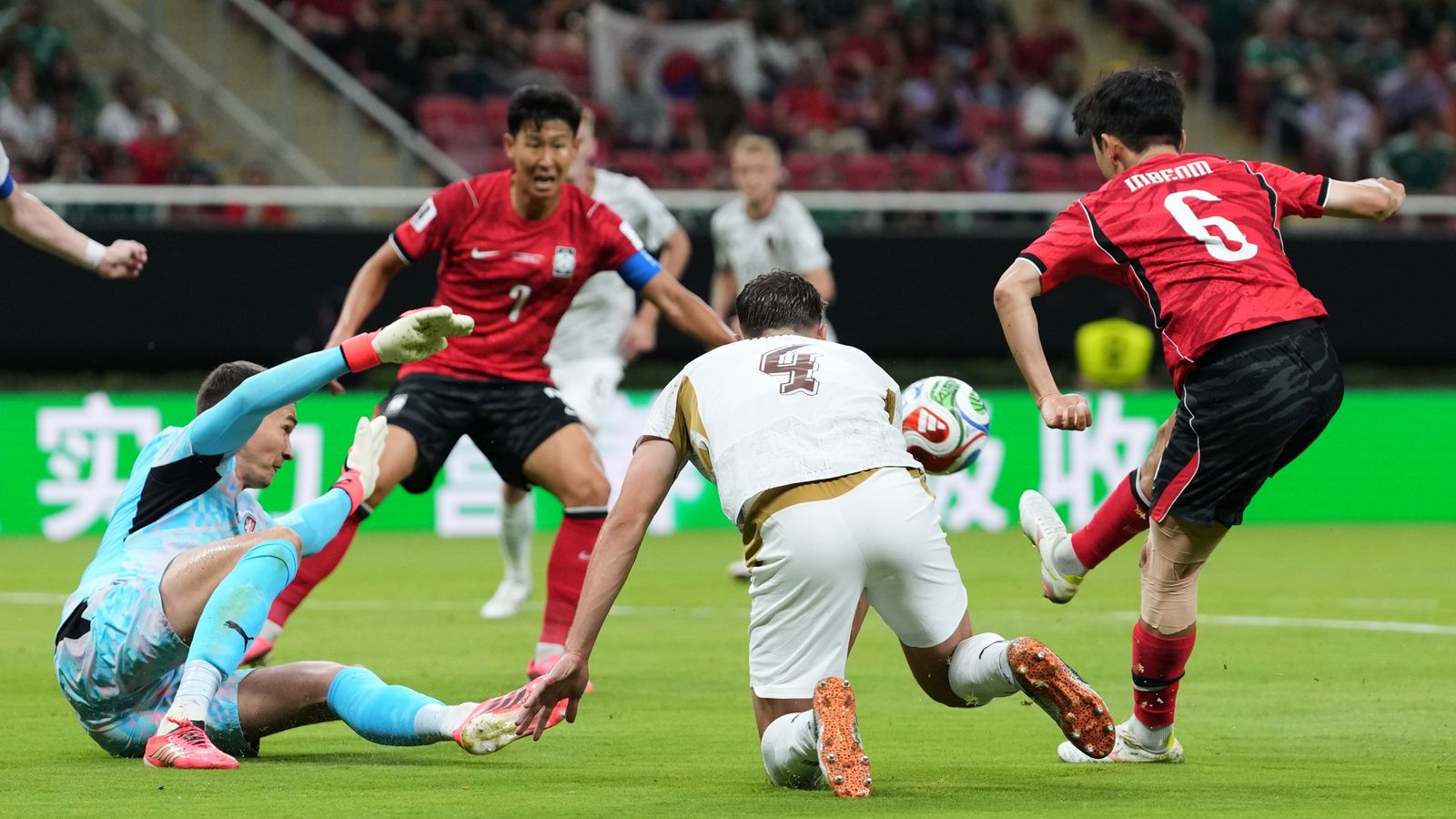
Tonight's clash between South Korea and Czechia at the 2026 World Cup feels less like a group stage opener and more like a high-stakes chess match designed to grind both sides into dust. South Korea enters this tournament off the back of a rapid identity shift under their current setup, favoring a high-pressing, vertical transition game that relies heavily on their wide players cutting inside to operate in the half-spaces.
Czechia, however, remains one of the most stubborn defensive units in the competition. Their tactical block remains narrow, forcing opponents to play wide where their fullbacks are physically equipped to engage in aerial duels. They finished their qualifying cycle conceding only 0.6 goals per game, an efficiency that suggests they are prepared to absorb pressure and wait for a single lapse in concentration.
The pivotal matchups on the pitch
The success of the South Korean attack depends on whether their creative hub can bypass the central pivot of the Czech midfield. If the defensive screen succeeds in isolating those creative threats early, we are looking at a low-scoring stalemate. I expect the Czechs to surrender possession willingly, focusing on a 4-4-2 shape that compacts the central channel.
South Korea’s fullback movement will be the deciding variable. Their ability to overlap effectively is what opens the channels, but doing so against the Czech counter-attack is a risky gamble. If they over-commit, the backline will be left exposed to pacey transitions. It is a classic tactical trade-off: width versus security.
Predicting the outcome
Expect a cagey opening 30 minutes with both sides testing the other's defensive integrity. South Korea’s tendency to push the defensive line high up the pitch will allow the Czechs to launch direct balls toward the target man, aiming to generate a set-piece near the 20-yard line.
My reading of the tactical setup favors a narrow victory for South Korea, purely based on their higher average possession stats and technical proficiency in the final third. They have a higher ceiling when it comes to breaking down low blocks compared to the Czech transition machine. However, the lack of clinical finishing in Group A matches so far—echoed by the 0-0 draw at the Azteca—suggests a tight scoreline.
The defensive discipline at this tournament has been unusually high, stripping away the flair we see in league play for something more functional. If South Korea fails to score by the 75th minute, the intensity will likely collapse into a standoff. I anticipate a 1-0 result, though the quality of the match may suffer under the weight of tournament pressure. This isn't a game for the neutrals; it is a game for the patient.
Read Next
- The divided loyalty of World Cup families is the ultimate sporting dilemma
- Tactical anarchy at the Azteca: What went wrong in the World Cup opener
- Harry Kane is playing 4D chess while Gareth Southgate plays checkers
- World Cup 2026 brings the scrutiny to a new level
- 🏆 World Cup 2026 — Full Coverage Hub
- 🇰🇷 South Korea World Cup 2026 — Taeguk Warriors Hub
- 🇲🇸 WC 2026 Group A — Mexico, South Africa, Korea Republic