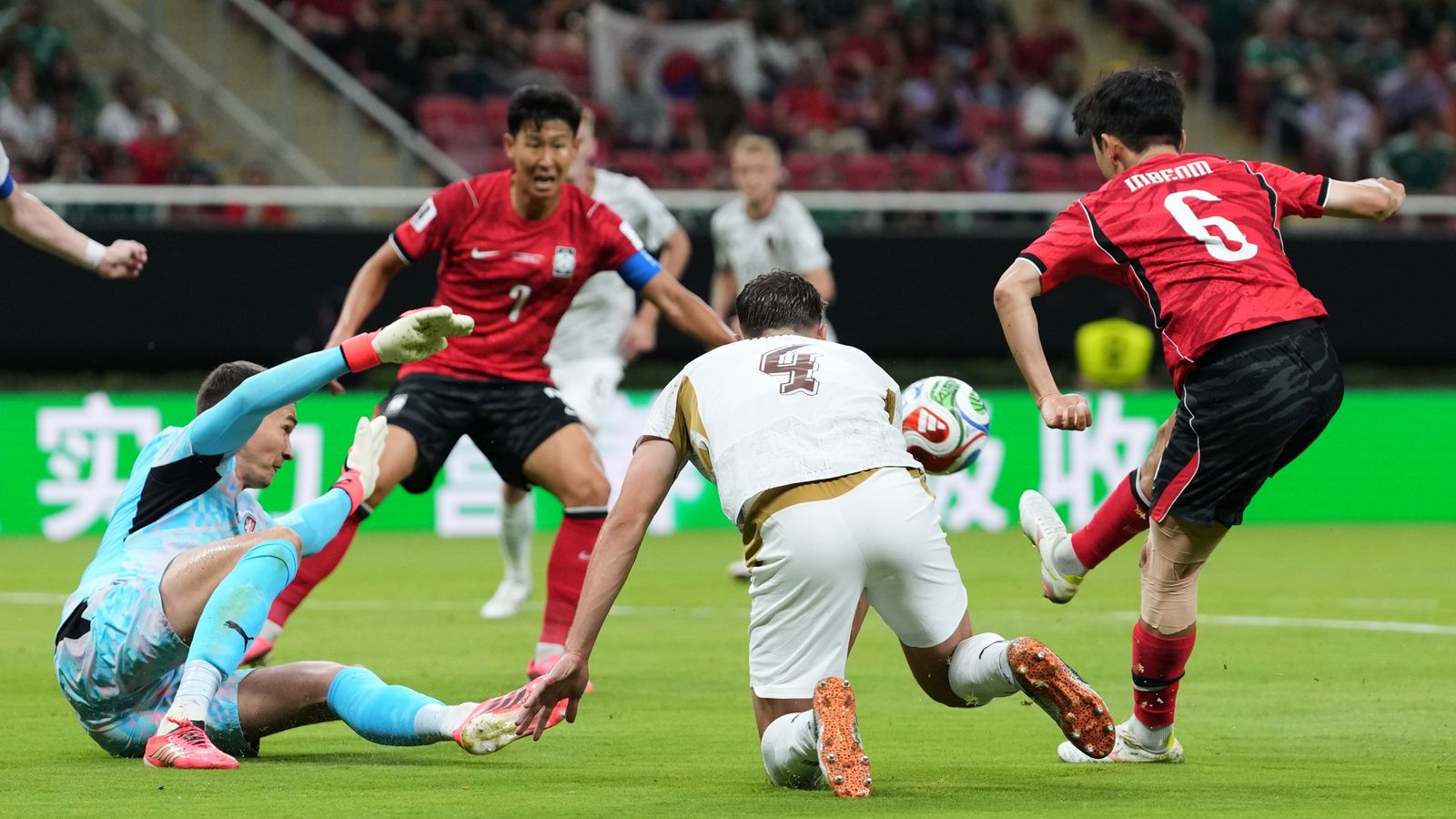
Tactical flexibility is winning the group
The 2026 World Cup opener in Mexico City left a lot of open questions. While the tournament festivities were interrupted by the evacuation of the FIFA fan festival, the real chaos happened on the pitch. South Korea proved that their high-press rhythm can break down even the most disciplined setups when they forced that 2-1 comeback against their opponents.
We are watching a team that refuses to reset after conceding. Most international squads fold under the pressure of an opening match crowd, but South Korea shifted their shape within minutes. They pushed their wide attackers into high-inverted roles, forcing the defense to commit to the middle. It worked perfectly.
The physical toll of the opener
Let’s be honest about the conditioning. Opening games at altitude or in humid conditions like Mexico City are brutal on the hamstrings. We know the squad rotation will become the primary variable by the second round of games. If they keep running engines that hot, we will see muscle injuries by the final group stage fixture.
The defensive line looked shaky during the first 30 minutes. They were consistently caught out by diagonal balls from the half-spaces, a recurring issue that better teams will punish. If the coaching staff doesn’t drill the recovery runs, a faster counter-attacking team is going to expose them. They are currently playing with fire.
Why the comeback wasn't a fluke
Observers often point to luck in late-game scoring. Looking at the metrics from the recent World Cup reports, the intensity of their runs increased as match fitness faded for the opposition. They aren't just outplaying their rivals; they are out-stamina-ing them.
I expect South Korea to steamroll the remainder of their group fixtures. They have established a rhythm that, while flawed, creates too many vertical passing lanes for standard zonal marking to track. They aren't just lucky—they are effectively weaponizing verticality.
Predicting tournament outcomes in June is a dangerous game for any analyst. However, the data confirms that their conversion rate on high-press turnovers is currently in the top tier of the tournament metrics. They won't repeat the defensive errors from the first half, and that makes them a dangerous wildcard for the knockout stages.
Read Next
- South Korea’s comeback win over Czech Republic has everyone losing their minds
- South Korea just put the world on notice and the Czechs are reeling
- Haiti's kit debacle is the least of their worries against Scotland
- South Korea vs Czechia will expose the Group A defensive ceiling
- 🏆 World Cup 2026 — Full Coverage Hub
- 🇲🇽 Mexico World Cup 2026 — El Tri Hub
- 🇰🇷 South Korea World Cup 2026 — Taeguk Warriors Hub