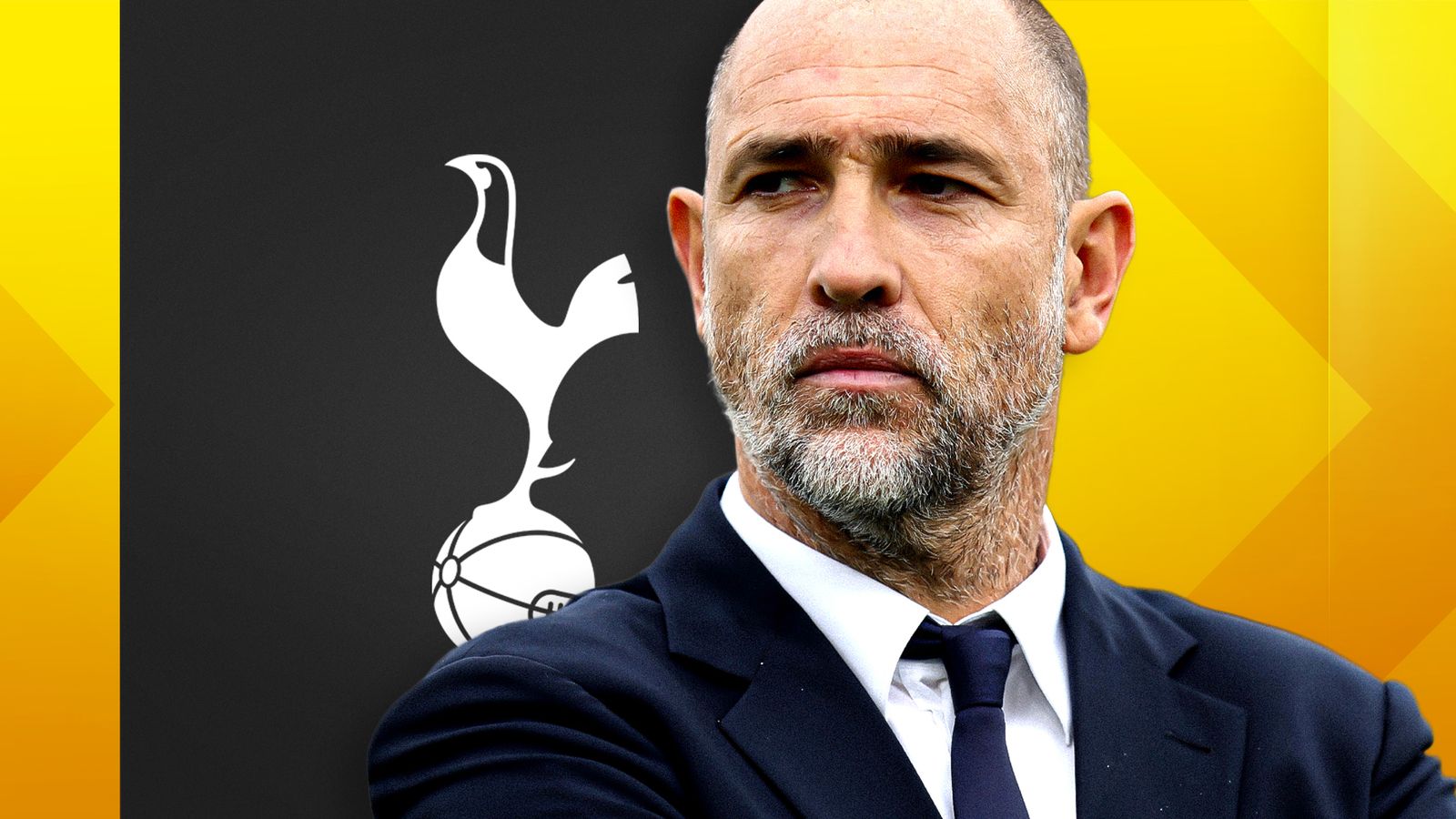
The inevitable collapse of a tactical extreme
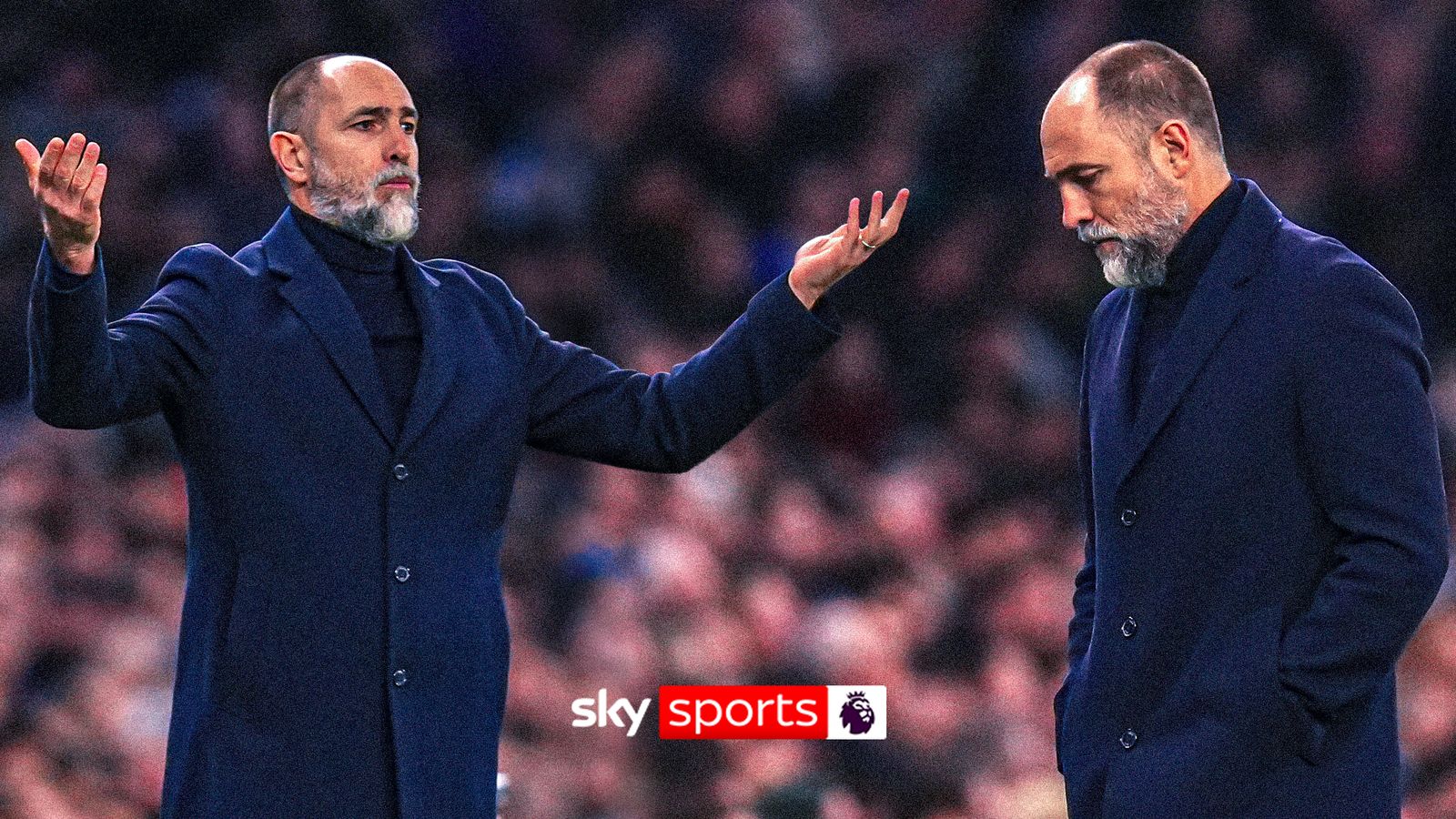
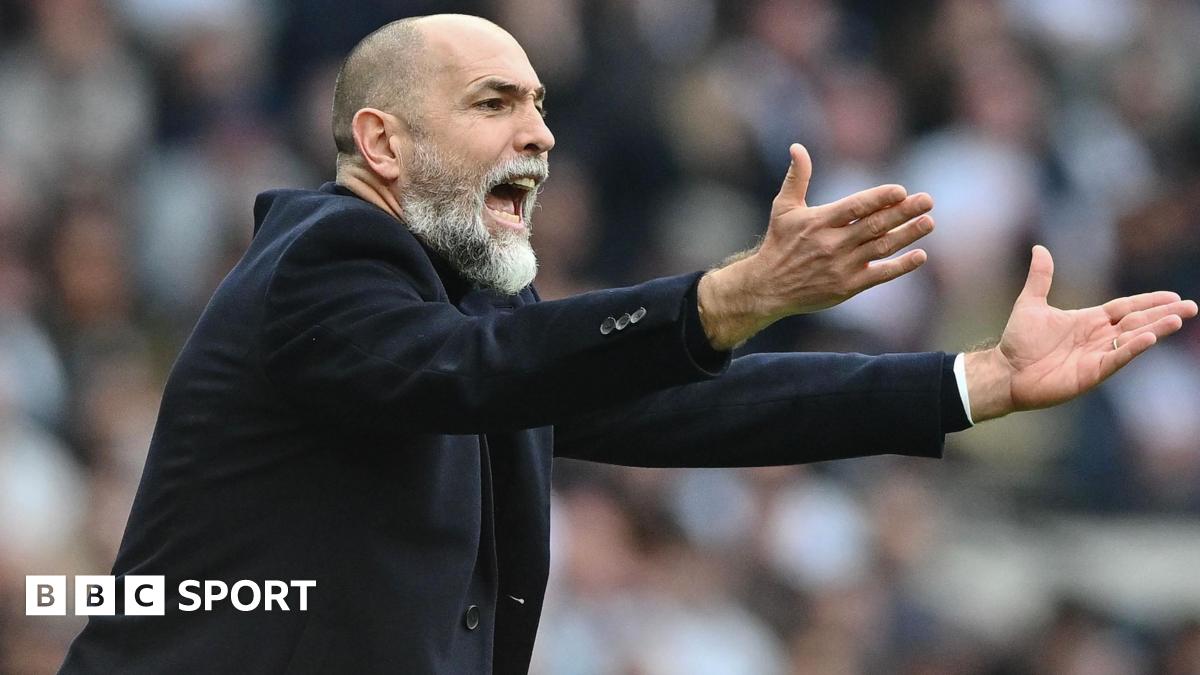
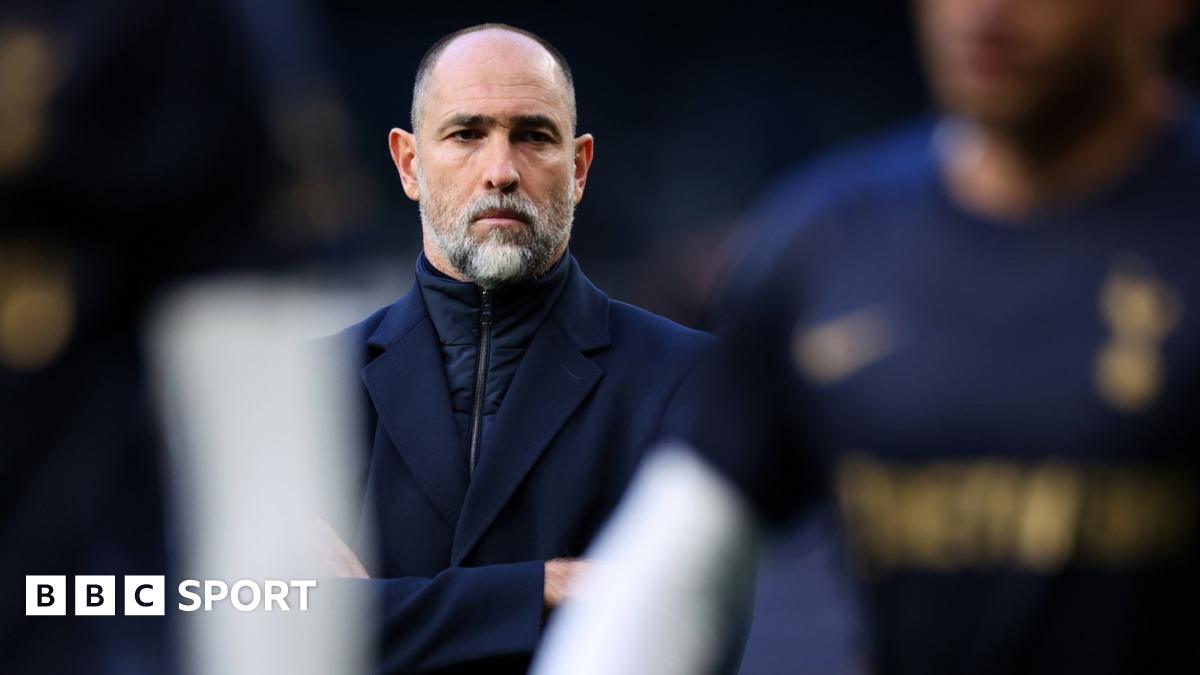
Spurs pulling the plug on Igor Tudor in late March feels less like a shock and more like the scheduled conclusion to a volatile experiment. You could see the structural fractures forming months ago. When you implement a strict man-to-man pressing system in the Premier League, you are setting a timer on your own tenure.
The defining number of the Igor Tudor era at Tottenham Hotspur is not a win percentage or a points total. It is 0.17. That is the Expected Goals Against (xGA) per shot Spurs conceded this season. It is the highest mark in the Premier League.
It is a deeply counterintuitive reality. Under Tudor, Spurs actually faced fewer total shots per game (9.2) than they did under their previous manager. They suffocated the midfield, they disrupted build-up play, and they kept the shot volume low. But when the system broke, it shattered completely. They did not concede speculative efforts from 30 yards. They conceded uncontested one-on-ones.
Tudor arrived in North London demanding absolute physical submission. His 3-4-2-1 was not just a formation; it was a tracking grid. Every player had a designated opponent. If your man moved, you followed. It did not matter if he dropped into his own half or pulled wide to the touchline. You stayed with him.
For the first three months of the campaign, it looked like a revelation. Their Passes Per Defensive Action (PPDA) in August and September was a relentless 8.4 — the lowest in Europe's top five leagues. Opponents were coughing up the ball in their own defensive third, panicked by the sheer aggression of a system that offered no time to breathe.
But the Premier League is a 38-game marathon, played in winter mud and relentless fixture congestion. The physical toll of Tudor's system is not linear; it compounds.
The mathematics of exhaustion
Look at the tracking data. In the opening ten games, Spurs were covering an average of 118km per match as a collective. They were out-running opponents by a margin of five to six kilometres every single weekend.
By February, that collective distance covered had plummeted to 109km per match. That nine-kilometre drop might not sound catastrophic, but in a man-to-man system, it is the difference between suffocating a receiver and arriving half a second late. When you arrive late, you get bypassed. When you get bypassed without a zonal safety net behind you, you are entirely exposed.
The defensive numbers tell the story of a team running on empty. Spurs have conceded 14 goals after the 75th minute this season. They have routinely collapsed late in games, throwing away points from winning positions because the legs simply gave out. A system that relies on winning individual duels falls apart when fatigue reduces your success rate in those duels.
When centre-backs become midfielders
The most glaring vulnerability of Tudor's setup was the demand placed on the wide centre-backs. Cristian Romero and Micky van de Ven were frequently asked to jump out of the defensive line to track dropping attackers.
In theory, this prevents the opposition from creating overloads in midfield. In practice, against elite Premier League attacks, it creates gaping chasms in the defensive third. Tracking data shows Romero was routinely pulled an average of 18 yards out of his natural defensive position to shadow wingers or false nines.
Smart managers figured this out by November. Teams stopped trying to play through the press and simply started manipulating it. They would drop a forward deep to drag Romero out, then immediately play a vertical ball into the massive channel he had just vacated. Fully 41% of the goals Spurs have conceded since December have originated from these exact sequences.
It is a structural flaw inherent to strict man-marking. You surrender control of the space to dictate the man. But when the opponent uses their men to dictate the space, you are completely at their mercy.
The Gasperini illusion
Tudor is a disciple of the Gian Piero Gasperini school of football. Atalanta’s remarkable success in Serie A and Europe convinced a generation of coaches that man-to-man pressing could scale to any elite level. But the Premier League is a different beast entirely.
In Serie A, the tempo is generally slower. Lower-tier teams lack the transition speed to consistently punish the space left behind by aggressive pressing. You can get away with your centre-backs stepping into midfield because the ball carrier is rarely under pressure to release the pass within half a second.
In England, the margins are brutally thin. If a Premier League centre-back steps out and misses the interception by a fraction, the ball is immediately played into the channel. Teams like Aston Villa and Newcastle United have built entire attacking structures around baiting the press and releasing runners into vacated space.
When Spurs went to Villa Park in February, it was a tactical massacre. Unai Emery simply instructed Ollie Watkins to drop into the midfield pivot, dragging Van de Ven with him. The moment Van de Ven stepped across the halfway line, Leon Bailey darted into the massive gap left on the left side of Tottenham's defence. The result was a devastating first-half blitz that exposed the fundamental inflexibility of Tudor’s approach.
The offensive sacrifice
The focus on Tudor's defensive collapse often masks the damage his system did to Tottenham's attack. A strict man-to-man out-of-possession structure means your players end up in bizarre, disjointed positions when you finally win the ball back.
James Maddison is a prime example. The English playmaker thrives in the half-spaces, drifting between the lines to pick up possession and dictate the tempo. Under Tudor, Maddison spent large chunks of matches tracking opposition defensive midfielders deep into his own half.
When Spurs recovered possession, Maddison was often 60 yards from the opposition goal, exhausted from defensive duties, rather than sitting in the pocket ready to launch a counter. His progressive passes into the final third dropped by a staggering 34% compared to his peak numbers from the previous campaign.
Even Son Heung-min suffered. Forced to press relentlessly and often isolated when Spurs won the ball deep, Son's touches in the opposition penalty area dropped by 22%. You cannot turn your most lethal finisher into a glorified defensive workhorse and expect your goal output to remain elite. The South Korean forward spent long stretches of matches visibly exhausted, tracking opposition full-backs into his own defensive third. When the transition moments finally arrived, he lacked the explosive burst required to beat the last man.
The midfield attrition
The engine room of Tudor's system relied heavily on Yves Bissouma and Pape Matar Sarr. In a zonal system, defensive midfielders protect the central spaces, shuffling laterally to cut off passing lanes. In Tudor’s setup, they were tasked with shadowing the opposition's most creative players, often being dragged into wide areas or pushed high up the pitch.
This created a massive disconnect between the midfield and the defence. When Bissouma was pulled out of the centre to press a full-back — a common trigger in Tudor’s pressing trap — the central zone was completely unprotected.
We saw this repeatedly against the top sides. Manchester City ruthlessly exploited this at the Etihad. Pep Guardiola deployed Phil Foden as a false eight, specifically to drag Bissouma out of position, leaving Rodri in acres of space to dictate the tempo. The stat sheet from that game was damning. Spurs allowed 14 passes into the penalty area from the central zone, double their season average.
A squad built for something else
The failure of the Tudor experiment highlights a broader structural problem at Tottenham Hotspur. There is a glaring lack of a coherent recruitment strategy. You cannot hire a manager who relies on an extreme, physically demanding tactical system without a squad purpose-built for it.
When Leeds United succeeded with Marcelo Bielsa’s man-to-man system, they did so with a squad that had been ruthlessly conditioned and assembled specifically for that style over several years. They signed endurance athletes masquerading as footballers.
Tottenham, by contrast, handed Tudor a squad assembled by three different managers with three entirely different philosophies. You have Dejan Kulusevski, a player who thrives on measured possession and subtle combinations, suddenly asked to become a relentless pressing machine. You have Rodrigo Bentancur, recovering from long-term injuries, expected to cover ground like a marathon runner.
It was a mismatch from day one. The physical demands alienated the squad. The tactical rigidity alienated the fans. The predictable defensive collapses alienated the board.
What next for Levy and Spurs?
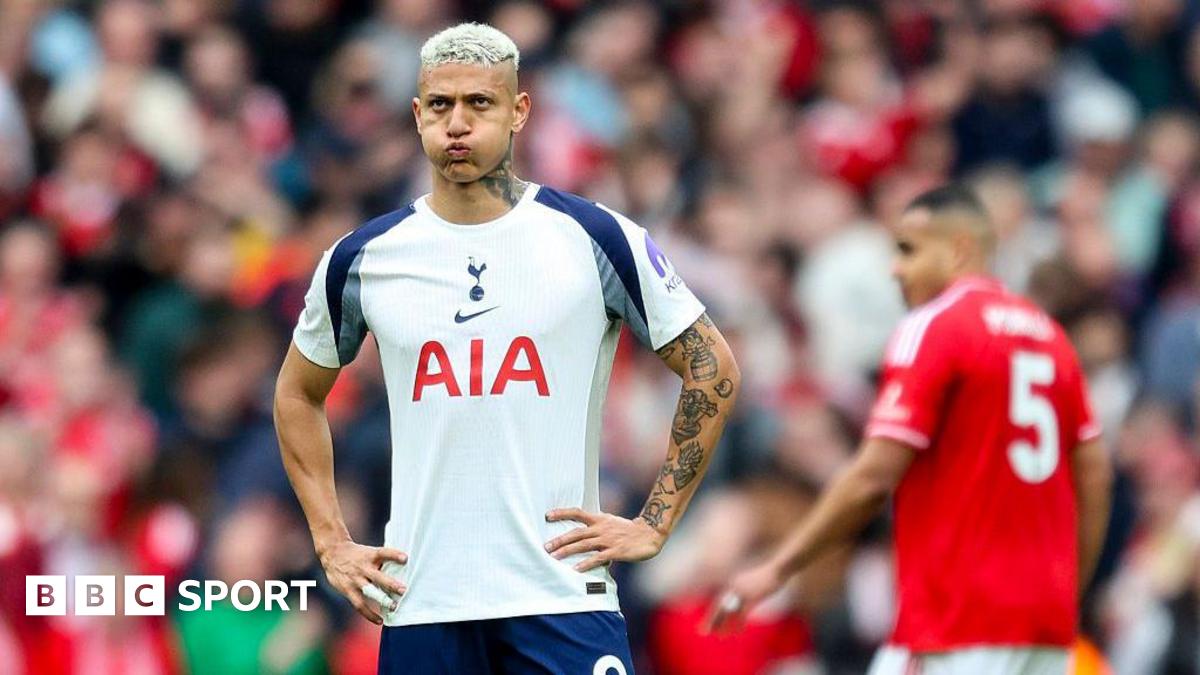
Daniel Levy is now looking for his next manager, and the brief needs to be realism over ideology. Spurs have bounced from the counter-attacking pragmatism of Conte, to the chaotic high-wire act of Postecoglou, to the exhausting man-to-man extremism of Tudor.
There is no tactical continuity. The squad is a mishmash of profiles recruited for wildly different systems. You have players bought for a low block, players bought for a high line, and players bought for an aggressive press.
The next appointment cannot be another ideologue who demands the squad conform to a rigid, uncompromising system. Spurs need a pragmatist who can assess the chaotic squad profile, patch the glaring defensive holes, and build a system that maximises the attacking talent without requiring them to run 120km a week.
Tudor's departure on March 29 was predictable. He built a machine designed to run at maximum capacity, completely ignoring the fact that the engine would eventually blow. Spurs are now left holding the pieces, once again searching for an identity in a season that has spiralled completely out of control. As Sky Sports reported in their live updates today, the fallout is already dictating the transfer gossip for the summer. The rebuild begins again.