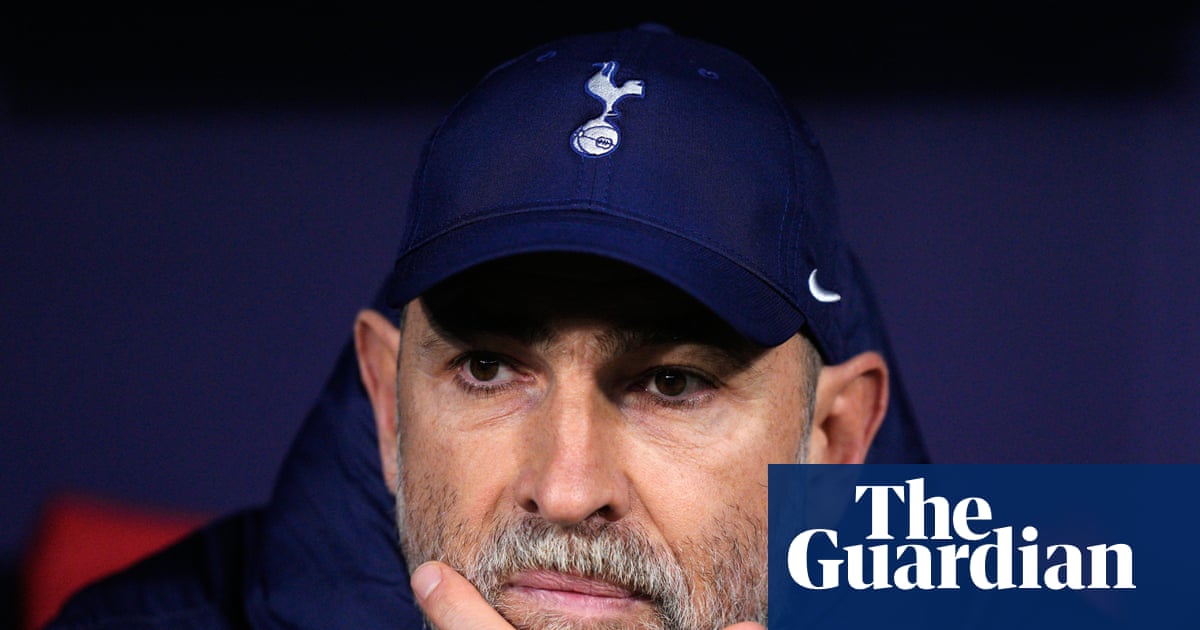
Why Igor Tudor’s man-to-man experiment at Spurs finally collapsed
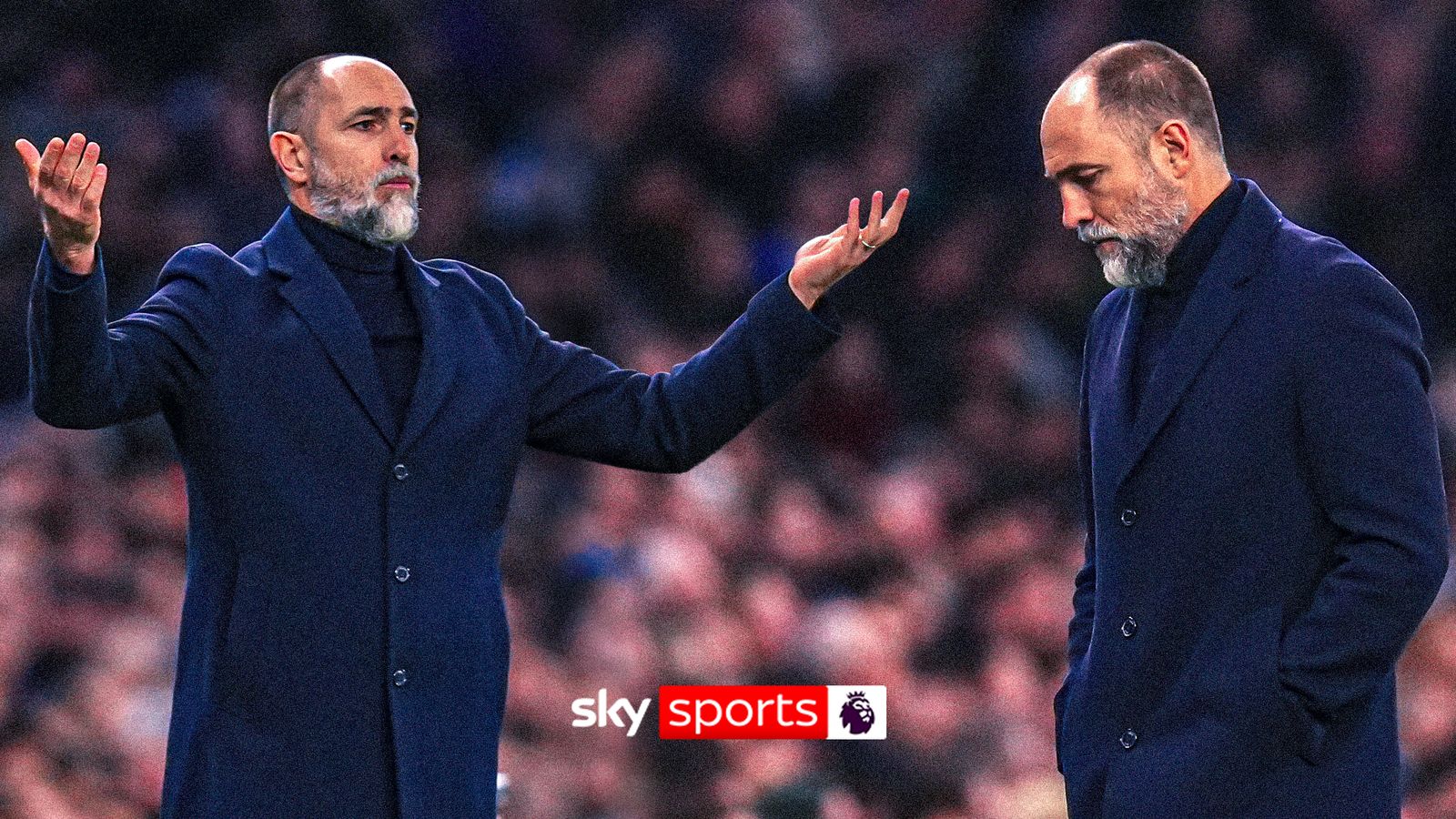
The inevitable collapse of a tactical extreme
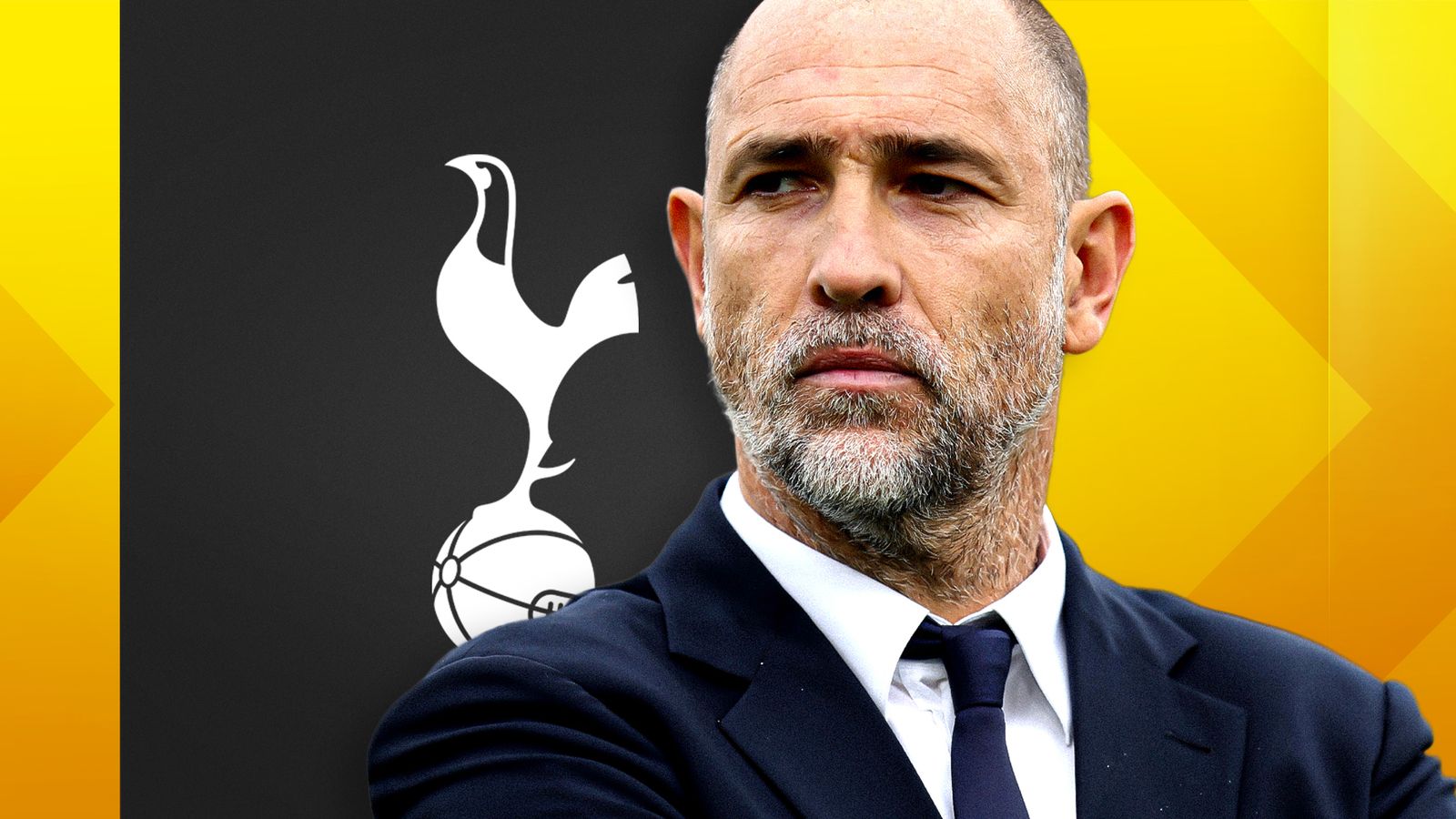
Spurs pulling the plug on Igor Tudor in late March feels less like a shock and more like the scheduled conclusion to a volatile experiment. You could see the structural fractures forming months ago. When you implement a strict man-to-man pressing system in the Premier League, you are setting a timer on your own tenure. It is a tactical tightrope that demands physical perfection. Once the legs go, the system shatters.
The exit was confirmed this week, leaving Tottenham searching for an identity once again. According to Sky Sports' statistical breakdown of his reign, the drop-off wasn't gradual. It was a cliff edge. The numbers tell a story of a team that started with terrifying intensity and ended up looking utterly exhausted, structurally broken, and tactically solved by the rest of the division.
The fatal flaw of man-to-man marking
Tudor’s 3-4-2-1 is built on a very specific defensive principle. It relies on aggressive, pitch-wide man-marking. Unlike a zonal block that protects the center of the pitch and shifts laterally with the ball, Tudor asks his players to follow their designated man across zones. The defensive shape is dictated entirely by the opposition's attacking movement.
When it works, it is suffocating. It denies the opposition time on the ball. The aggressive jumping of the wide center-backs cuts off passing lanes before the receiver can even open his body. We saw this in the early weeks of his tenure. Teams came to North London and simply could not build out from the back. Spurs were forcing turnovers inside the final third and punishing mistakes.
But elite-level football is ruthless. Premier League coaching is far too sharp to let a rigid man-to-man system go unpunished for a full season. Opposing managers stopped trying to play through the press. They started manipulating it. They recognized that man-marking is inherently reactive. You are following someone else's lead.
If you know a Spurs center-back is instructed to follow your striker thirty yards from goal, you do not pass to the striker. You use the striker as a decoy. You drop him into midfield, pulling the defender out of the backline, and you immediately run a winger into the vacated space. It is simple geometry. Third-man runs are the absolute kryptonite to man-to-man marking, and Spurs were carved open by them repeatedly.
The statistical red flags
Let's look at the underlying numbers that defined Tudor's time. In his first ten games, Spurs boasted an incredibly low passes per defensive action metric. They were winning the ball high. They were hunting in packs. But look at the expected goals conceded from counter-attacks since December. The graph spikes dramatically.
The core issue was rest-defence. When a wing-back pushes high to press his opposite number, and a center-back steps into midfield to track a false nine, you are effectively left with a makeshift back two. You are exposing your remaining defenders to massive tracts of open space. If the initial press is bypassed—and eventually, it always is—it becomes a footrace.
You do not want to be in a constant footrace in this division. The data confirms what the eye test showed. Spurs were consistently shredded in transition. Towards the end, their win rate plummeted to an abysmal 31% across all competitions. They were conceding high-quality chances simply because there were no bodies back to protect the penalty area. The defensive line was so high, and the midfield cover was so sparse, that opposing attackers frequently found themselves with a free run at the goalkeeper.
Physical exhaustion and the midfield engine room
You cannot separate Tudor's tactical blueprint from the physical demands it places on the squad. Man-to-man marking requires relentless, continuous sprinting. There is no opportunity to rest in a compact shape. In a zonal system, if the ball is on the opposite flank, a winger can tuck in and catch his breath. Under Tudor, if your assigned man sprints eighty yards, you sprint eighty yards.
By mid-February, the fatigue was glaring. You could see it in the body language. Midfielders were arriving a half-second late to their pressing triggers. A half-second is an eternity in the Premier League. It is all the time a technically gifted midfielder needs to play a wall pass, break the line, and eliminate three pressing players from the game.
Let's talk specifically about the midfield engine room. In Tudor's system, the double pivot is the most demanding position on the pitch. These two players are tasked with screening the defense, facilitating the build-up under extreme pressure, and tracking late midfield runners from the opposition. It requires a blend of tactical intelligence and superhuman stamina.
Spurs simply did not have the personnel to execute this week in and week out. When you pair a progressive passer with an aggressive ball-winner, the balance is delicate. If one pushes too high to press, the other is left covering the entire width of the pitch. Opposing teams realized this quickly. They overloaded the central areas, forcing the Spurs midfield duo to make impossible decisions.
Do you step up to press the deepest lying midfielder, or do you drop to cover the space between the lines? Under Tudor's strict man-marking rules, stepping up was almost always the mandate. This created enormous pockets of space in the vital area just outside the penalty box. Attackers were receiving the ball on the half-turn with terrifying regularity, completely unchallenged by a midfield that had been dragged out of position.
Institutional failure and stubbornness
The blame cannot rest entirely on Tudor. The Tottenham hierarchy must answer for this stylistic whiplash. Appointing a manager who requires elite physical conditioning and highly specific tactical profiles without completely overhauling the squad was institutional negligence. The recruitment strategy and the managerial appointment were completely misaligned.
They asked a group of players recruited for possession-based, positional play to suddenly become gladiators in a heavy-metal transition system. You have technical midfielders being asked to play like aggressive ball-winners. You have progressive center-backs being asked to defend on the halfway line with zero cover. The failure was predictable the moment the contract was signed.
Tudor was inflexible, yes, but the board set him up in an environment entirely hostile to his methods. It is a recurring theme at the club. There seems to be no overarching football philosophy, just a pendulum swinging wildly from one extreme managerial style to another. You cannot build a sustainable winning culture when the tactical blueprint is torn up and rewritten every eighteen months.
Tudor also stubbornly refused to adjust his in-game management. When teams started hitting long, raking diagonals to isolate the wing-backs, he rarely shifted to a back four to offer better wide protection. He trusted his system above all else. If they were getting beat, his solution was simply to demand more running, to press tighter, to push higher.
Football at this level requires a degree of pragmatism. When your primary plan is physically demanding and your players are visibly exhausted, you need a secondary plan. You need a setup that allows the team to suffer in a low block without conceding high-quality chances. Tudor had no interest in suffering defensively. He wanted to win the ball back immediately, regardless of the risk.
The collapse of the build-up phase
Consider how opponents dismantled their build-up phase. Tudor wanted his team to play out from the back, using the double pivot to bait the opposition press before exploiting the space behind. However, under heavy pressure, the spacing was frequently wrong. The wing-backs would push too high too early, disconnecting themselves from the center-backs.
This forced the central midfielders to drop deeper and deeper to receive the ball, completely nullifying their ability to impact the final third. It became horribly predictable. Opposing teams would simply show the outside center-back onto his weaker foot, cut off the central passing lane, and force a rushed, inaccurate long ball. The attacking metrics plummeted because they could not securely transition into the opposition half.
Furthermore, the lack of a traditional, disciplined number six hurt them immensely. A player who naturally anchors the midfield, who instinctively drops into the backline when a center-back steps out, is essential for a fluid back three. Without that natural defensive instinct in the middle of the park, the transitional vulnerabilities were magnified tenfold.
The wing-backs also suffered a dramatic drop in attacking output. When you are tasked with sprinting back to defend your own corner flag because your man has made a deep run, you simply do not have the energy to overlap effectively at the other end. The wide attacks became predictable, relying on individual brilliance rather than coordinated overloads. The whole system was a tactical straitjacket that slowly restricted their offensive threat until there was nothing left but hopeful crosses into a crowded box.
The road back to sanity
So Tottenham find themselves back to square one. Late March, no permanent manager, and a squad that looks entirely burned out just as the run-in approaches. The next appointment has to recognize the trauma this squad has been through tactically. They need stabilization. They do not need another ideological revolutionary right now.
They need a manager who understands how to construct a coherent rest-defence. They need someone who uses space, rather than pure physical exertion, to control football matches. They need to establish a base level of defensive security that does not rely on center-backs making sixty-yard recovery sprints every five minutes.
Tudor leaves behind a team that forgot how to control the tempo of a football match. His reign was chaotic by design, but that chaos ultimately consumed him. The statistics highlighted by Sky Sports only confirm what was tactically evident on the pitch. Man-to-man marking in the Premier League is a ruthless game, and Spurs simply ran out of breath.
The lesson here is not that Tudor is a bad manager. His record in other leagues proves he has a viable methodology. The lesson is that context matters. You cannot drop a highly specific, physically demanding tactical framework onto a squad built for something entirely different and expect it to work without friction. The friction caused a fire, and now Spurs are looking for someone to rebuild from the ashes.
Frequently Asked Questions
Why was Igor Tudor fired from Tottenham Hotspur?
What is man-to-man marking in football?
How did Premier League teams beat Igor Tudor's tactics?
Why did Tottenham's defense struggle against counter-attacks?
When did Tottenham's defensive stats begin to decline?
More Coverage

Raheem Sterling's arrest is a disaster for his career timeline
20 minutes ago
Kieran Trippier is the exact veteran Wolves need right now
20 minutes ago
Adam Wharton emerges as top summer target for Arsenal's midfield evolution
37 minutes ago
Manchester United’s Summer Obsession: Why Inconsistency Defines the Strategy
37 minutes ago
Liverpool chasing Yan Diomande in high-stakes €150m transfer scramble
37 minutes ago
Manchester United are chasing ghosts with the Leao pursuit
2 hours agoMore Analysis
Spurs have sacked Igor Tudor, and the underlying numbers explain exactly why
2 months ago
Tottenham's 44-day fever dream is over and the cleanup starts now
1 month, 4 weeks ago
Igor Tudor's Tottenham disaster was entirely predictable
2 months ago
Igor Tudor has already run out of rope at Tottenham
2 months, 1 week ago
Spurs fans are finally at a breaking point after Igor Tudor's exit
2 months ago