The death of the Top Four as we knew it
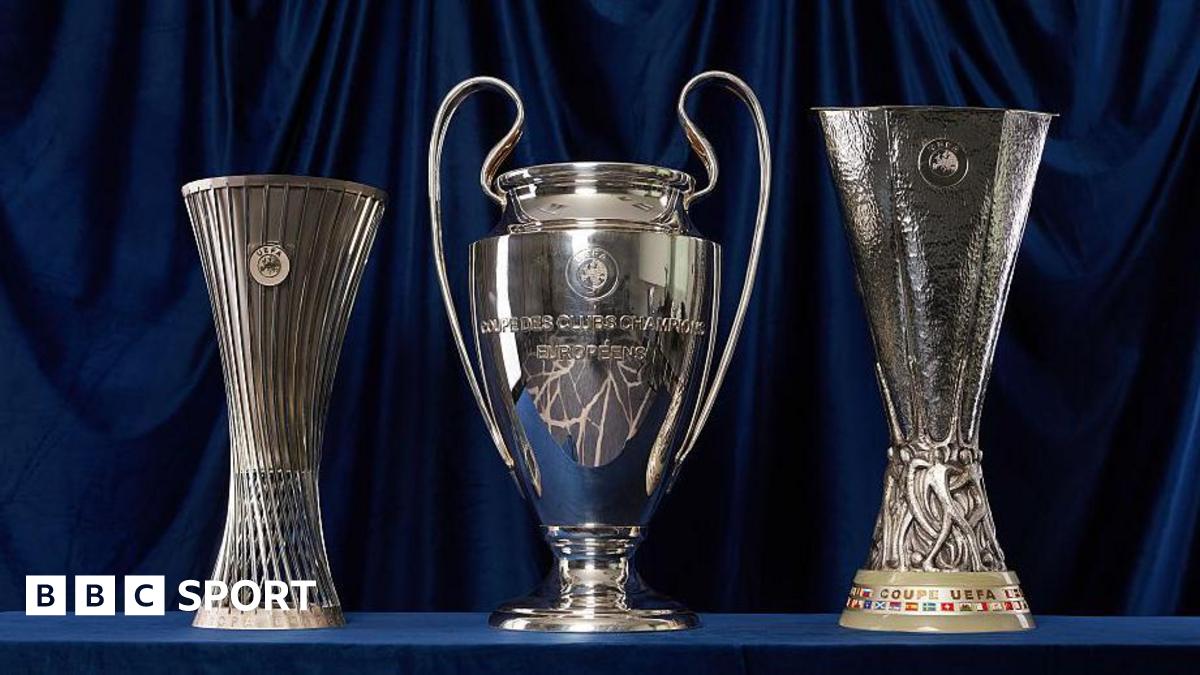
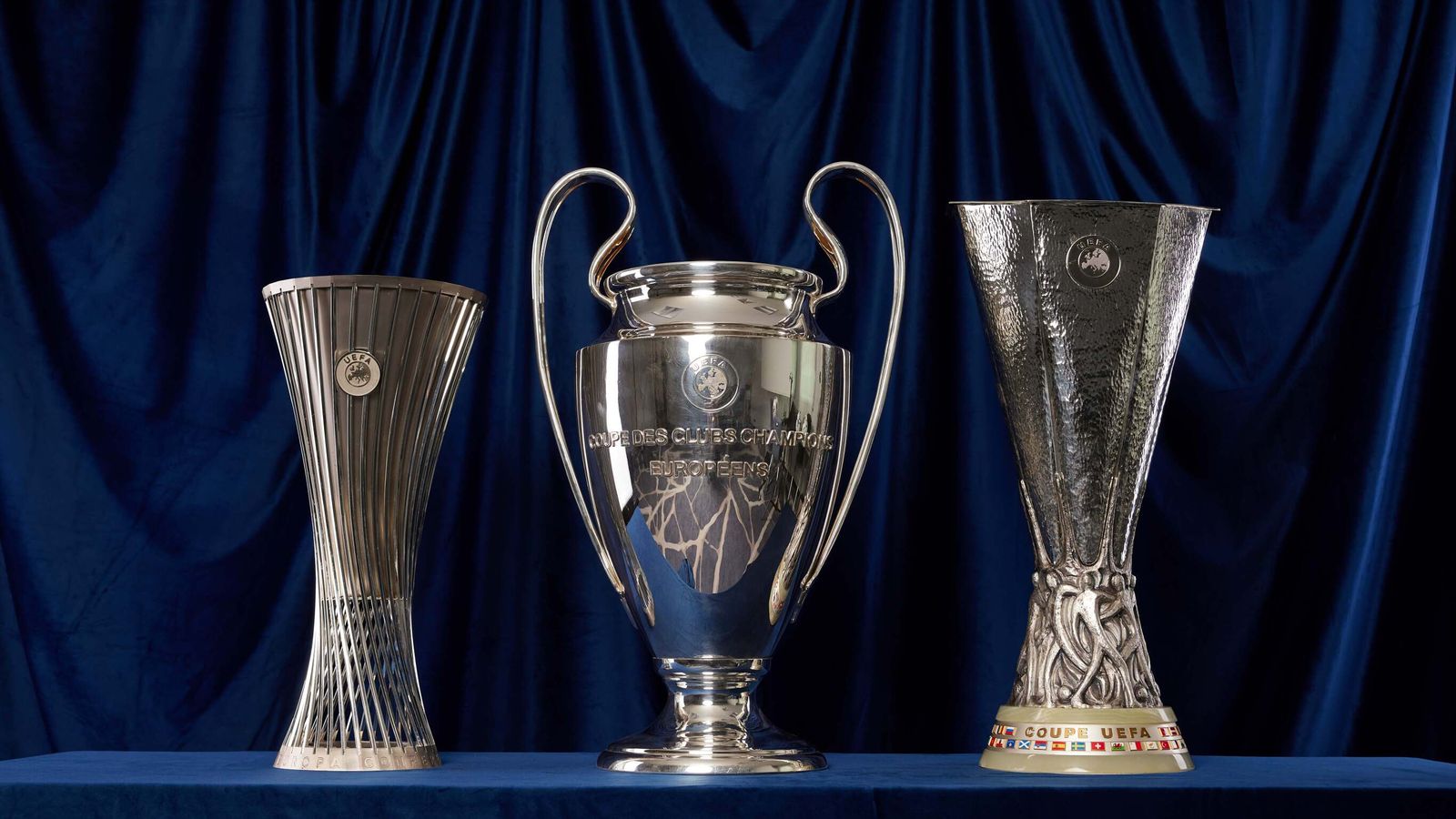
Stop me if you have heard this one before: UEFA has found a way to squeeze more blood from the stone. While we are all sitting here watching the clock tick down to the WrestleMania 41 Night 2 main event tonight in Vegas, the bean counters in Nyon are busy turning the Premier League into a glorified qualifying heat. The 'Top Four' race used to be the high-water mark of the season, a localized civil war for the right to get battered by Real Madrid on a Tuesday night. But as Sky Sports recently broke down, we are staring at a reality where half the league could end up with a European itinerary next season.
It is essentially the footballing version of an overfitted LLM. UEFA took a working model—the Champions League—and decided that what it really needed was more parameters and more 'if-then' statements until the average fan needs a PhD in data science just to know if a win against Brighton actually matters. We are talking about the potential for 10 teams from England to be playing in Europe. Ten. That is fifty percent of the league. At that point, you might as well just give the other ten teams a 'Great Effort' sticker and a voucher for a mid-tier airport lounge.
The math behind this is as bloated as a legacy software update. It starts with the 'European Performance Slots.' This is the participation trophy for the leagues that did well last year. If English clubs keep up their current coefficient heater, the fifth-place team gets a golden ticket to the Champions League. But it doesn't stop there. If a Premier League team wins the Champions League or the Europa League but finishes outside the top five, they don't just take a spot—they create an extra one. It is a cascading glitch in the matrix that could result in six English clubs in the premier competition.
The European Performance Slot is a vibe check for coefficients
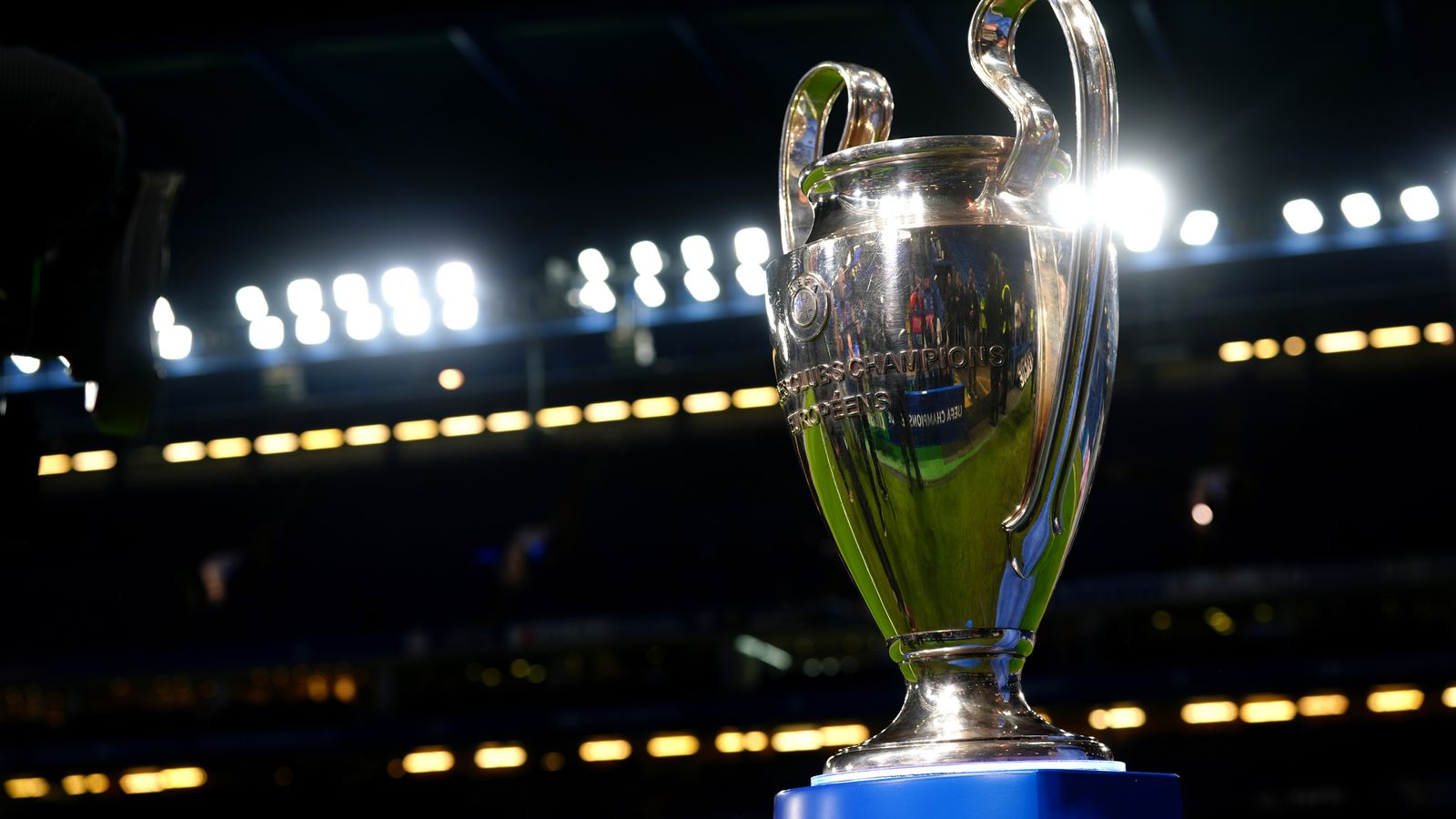
Let’s talk about the coefficient because it is the only thing that matters anymore. It is the 'SOTA' benchmark of football. If the Premier League finishes in the top two of the seasonal coefficient rankings, they get that extra fifth spot. Right now, with the UCL semi-finals kicking off in eight days on April 28, the pressure on the remaining English teams is immense. It is not just about their own trophy cabinet; they are carrying the weight of the guy in seventh place who is dreaming of a trip to the Bernabeu.
The absurdity peaks when you look at the lower rungs of the ladder. You have the FA Cup winner, the League Cup winner, and the potential for the Europa Conference League winner to all earn spots. If these teams already qualified via their league position, the spots drop down the table. Suddenly, finishing 8th, 9th, or even 10th isn't just a sign of a mediocre season—it's a gateway to a Thursday night in a stadium you can't pronounce. It is the ultimate dilution of the 'elite' tag. When half the league is 'elite,' nobody is.
The logistical nightmare of a 10-team exodus
Imagine the scheduling. The Premier League is already a meat grinder. Now, add three different European tiers with their new 'League Phase' formats—which is just a fancy way of saying 'more games for more money.' We are looking at a calendar that looks like a Tetris board on Level 15. Every single midweek becomes a broadcast window. Every weekend becomes a recovery session. The players are being treated like H100s running at 100% utilization 24/7 without a cooling system.
And here is the critical failure in this entire plan: the 2026 World Cup. We are 52 days away from the kickoff on June 11. The expanded 48-team format in the USA, Canada, and Mexico is already going to be a grueling marathon. By pushing for 10 English teams in Europe, UEFA and the Premier League are effectively signing off on a massive injury list. You cannot ask humans to play 60-plus games of high-intensity football and then expect them to fly across three time zones in July to play a World Cup group stage match in the heat of Houston or Miami.
A cash grab disguised as inclusivity
This isn't about giving smaller clubs a 'European dream.' It is about ensuring the big broadcast markets have as many representatives as possible to keep the advertisers happy. It is a cynical, spreadsheet-driven expansion that ignores the soul of the competition. When the Champions League had 32 teams and a clear path, every game felt like an event. Now, with this Swiss-model hybrid, we are going to have 'league phase' games that feel like preseason friendlies because the stakes have been sanded down by the sheer volume of opportunities to qualify.
There is a genuine risk that the Premier League product suffers. If the 10th-place team is in Europe, what is the incentive to actually improve and break into the traditional 'Big Six'? The financial gap just widens as the European TV money gets distributed to more of the same English clubs, further starving the rest of the pyramid. It is a feedback loop that rewards existence rather than excellence. If you are a fan of a team like Newcastle or Aston Villa, you might love the idea of more European nights, but the cost is a domestic league that feels increasingly predictable.
The irony is that while UEFA tries to 'protect the game' from the Super League, they have basically built a slow-motion version of it. By expanding the Champions League and creating these safety nets for high-coefficient leagues, they have ensured that the biggest brands are almost never left out. It is a closed shop with a very large 'Welcome' mat that only certain people can step on. The math is designed to prevent failure for the elite, and that is the most boring thing you can do to a sport.
The physical toll is the hidden cost of the coefficient
We need to talk about the quality of the actual football. Have you watched a mid-December Conference League game lately? It is often a slog. Now imagine that game played by a squad that has already played 25 matches and is looking at a 10-match 'League Phase' schedule. The technical quality drops. The pace drops. The risk of a non-contact ACL tear skyrockets. We are trading the health of the athletes for 80 percent more broadcast inventory, and that is a trade that will eventually break the product.
The 2026 World Cup is supposed to be the crowning moment of the sport's expansion. Instead, it might be the moment where we see a generation of players simply hit the wall. If 10 Premier League teams go to Europe, that is roughly 250 players from the world's most intense league playing an extra 10-15 games. By the time they hit the turf in June for the World Cup, they won't be elite athletes; they'll be walking medical reports. UEFA is playing a dangerous game of chicken with the players' careers, and they are doing it all for the sake of a more complex spreadsheet.
Why we should be skeptical of the ten-team dream
Every time a league official talks about 'increased opportunities,' you should check your wallet. The 10-team scenario is a fever dream that serves the executives, not the fans. A Saturday 3 PM kickoff already feels like it is becoming an endangered species. With this many teams in Europe, almost every game will be moved for TV, scattered across Sundays and Mondays until the traditional matchday is dead. The supporters who actually travel to these games are the ones being ignored in favor of 'global reach.'
Ultimately, this expansion is a symptom of a broader issue in the game. We are obsessed with growth at the expense of meaning. The Champions League used to be a reward for being the best. Now, it is becoming a reward for being 'well-positioned.' It is the 'fine-tuning' of a model that was already working, and as any developer knows, that is usually when you introduce the most bugs. The Premier League's dominance is real, but leveraging that dominance into a 10-team European presence is a step toward making the domestic season feel like an afterthought.