The gamble on youth in Paisley
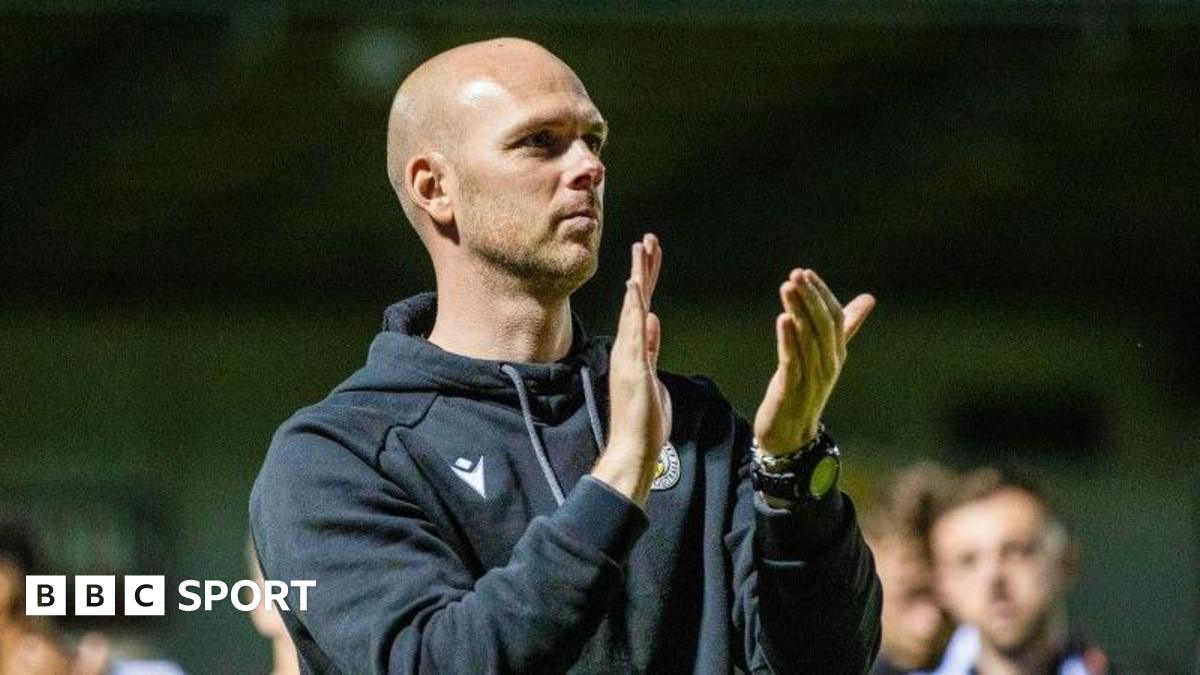
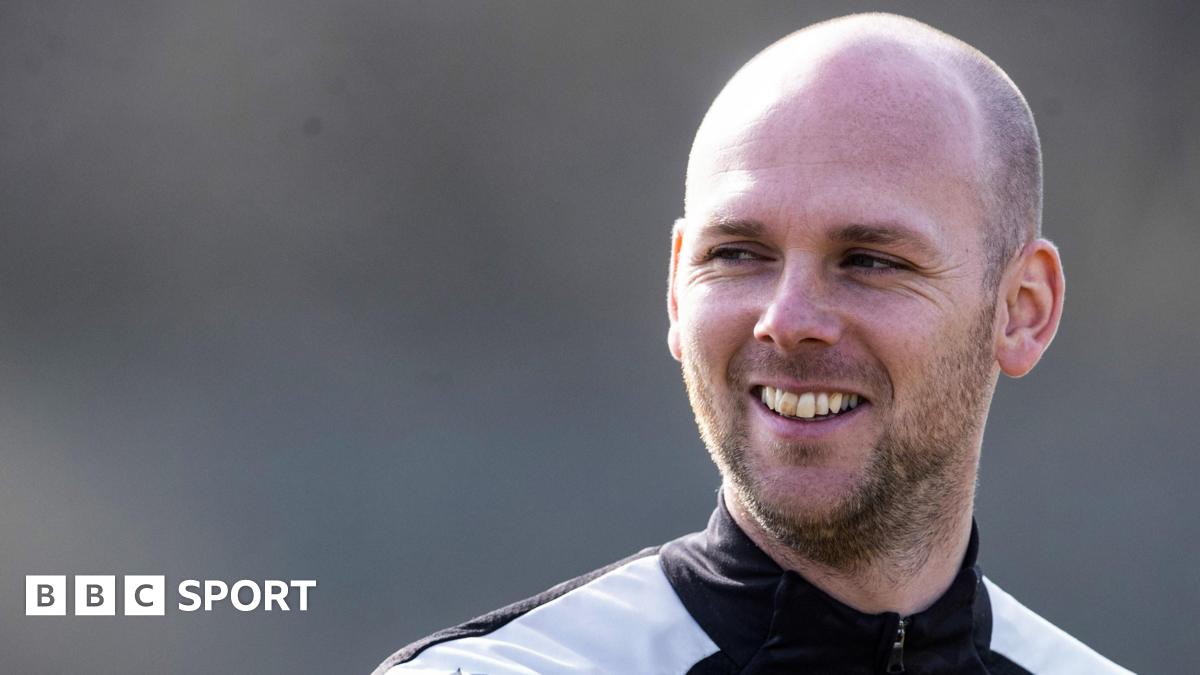
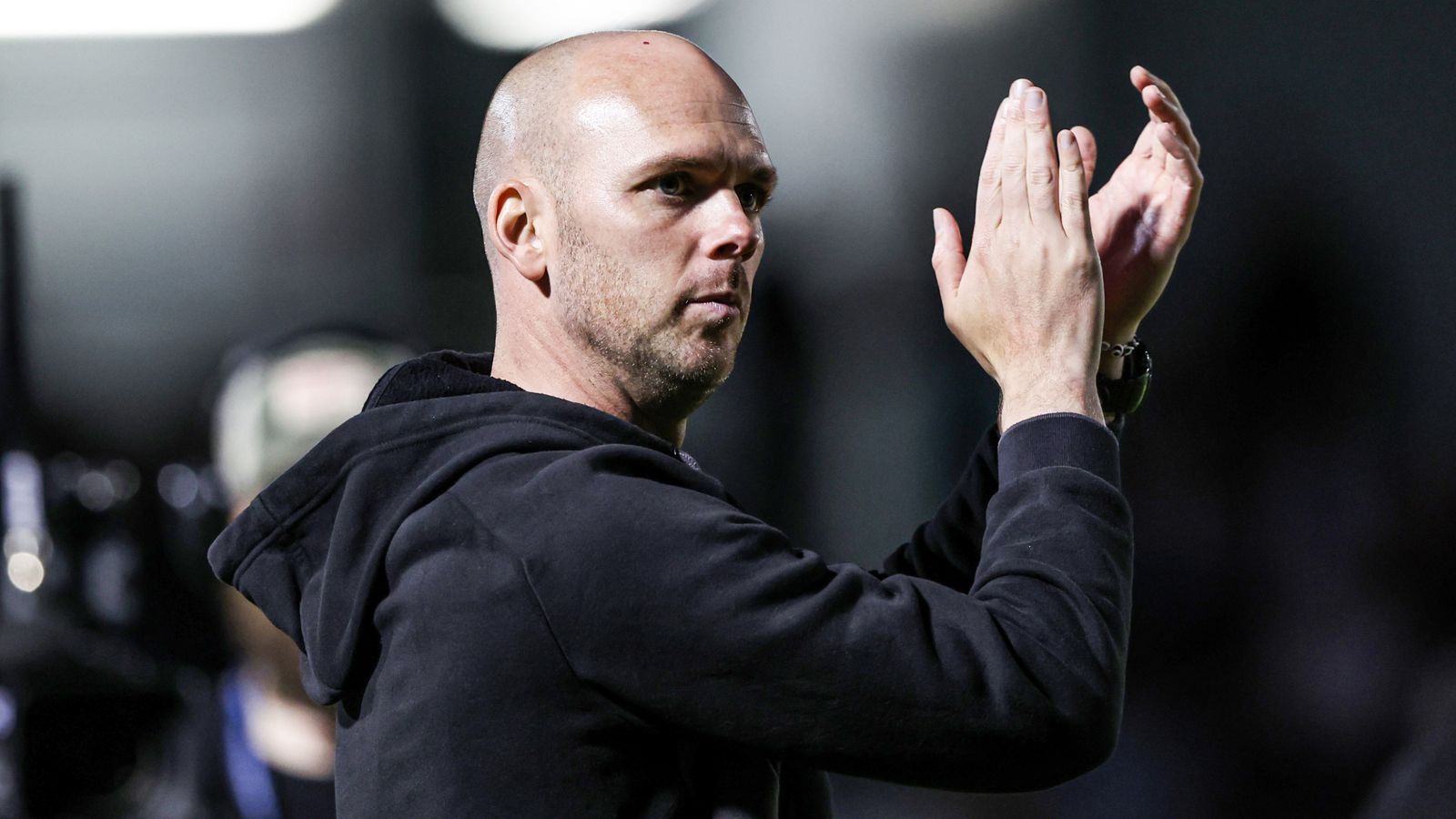
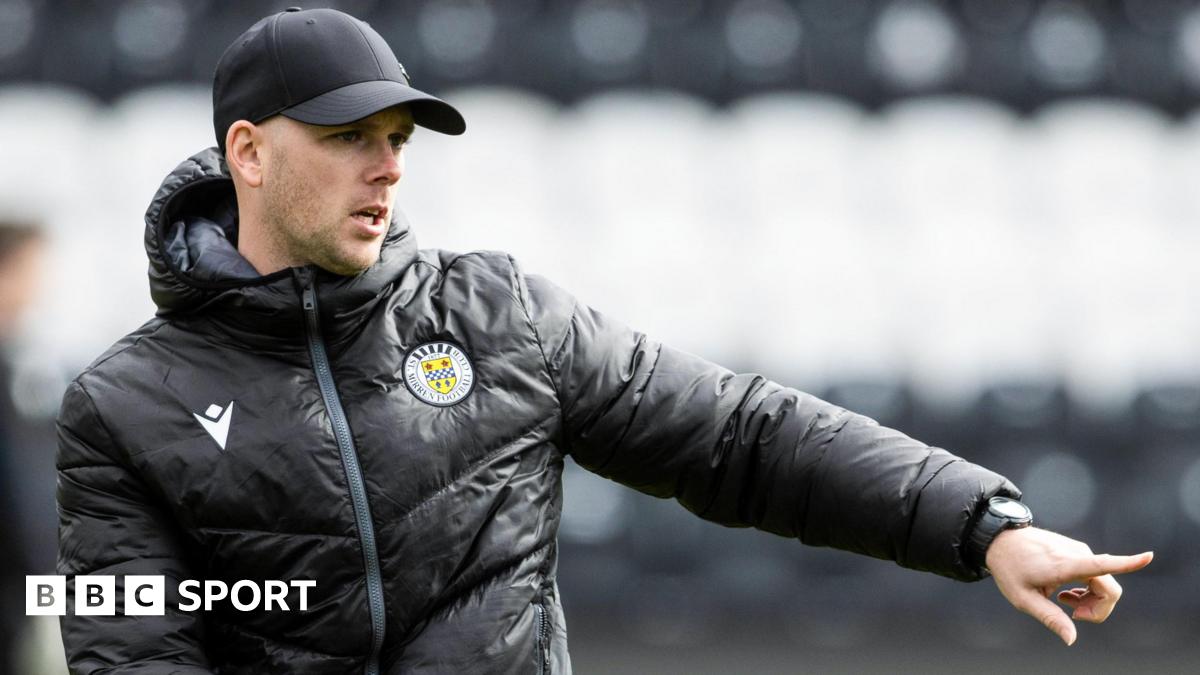
St Mirren has made a definitive statement regarding their future direction by handing Craig McLeish the permanent reins. It is a decision that defies the traditional Scottish Premiership preference for the seasoned veteran or the recycled managerial hand. In a league often criticized for its repetitive coaching carousel, this appointment feels remarkably disruptive.
The club has placed immense trust in technical capability over track record. While other clubs scramble for short-term fixes, St Mirren is signaling a commitment to a specific identity. One must wonder, however, if the board underestimates the psychological toll a relegation scrap takes on an unproven manager. The pressure of the final 10 games is vastly different from interim stability.
The historical hurdles for novice managers
History in the Scottish Premiership serves as a warning for clubs ignoring experience. Recent attempts to install youthful, untested tacticians have yielded mixed results at best. The tactical rigor required to navigate a 38-match campaign demands more than just modern training methods; it requires elite management of a senior dressing room. Can McLeish maintain authority when the results inevitably dip?
As BBC Sport noted, the track record for such appointments is spotty. We have seen promising setups collapse under the weight of expectation when the initial bounce fades. If St Mirren fails to secure a comfortable mid-table cushion before the split, the backlash against this appointment will be swift and unforgiving.
Tactical expectations and the road ahead
McLeish faces the immediate challenge of justifying this appointment in his first month. The squad currently lacks a clear mid-block identity, often finding itself caught between a high-press system that exhausts the midfield and a low-block that absorbs too much pressure. His first task must be streamlining the transition from defense to attack. If he fails to fix the spacing in the final third, the statistics will prove the skeptics right fast.
Possession metrics for St Mirren have sat consistently around 44% this year. That lack of control forces the defense into 12.4 tackles per match, a figure that is unsustainable for a team looking to climb the table. He needs to transition the team toward a more resilient ball-retention model. Even a 5% increase in pass completion in the central channel would pay dividends for his attackers.
Predicting the Paisley trajectory
My read on this? McLeish will likely stumble through the opening six matches as he attempts to force his preferred formation onto a squad built for a different style. It is a classic case of aesthetic over pragmatism. St Mirren will win three of their next ten games, ultimately avoiding relegation by a margin of only four points. The board will likely view this as success, but the tactical evolution they desire will be delayed until the next transfer window.
This appointment is either a masterstroke destined to change the league's hiring habits or a cautionary tale waiting to be written. The smart money remains skeptical of the upside. McLeish is walking a tightrope without a net, and he is doing so in a league that enjoys watching people fall.