Why Scottish football is suddenly terrified of change
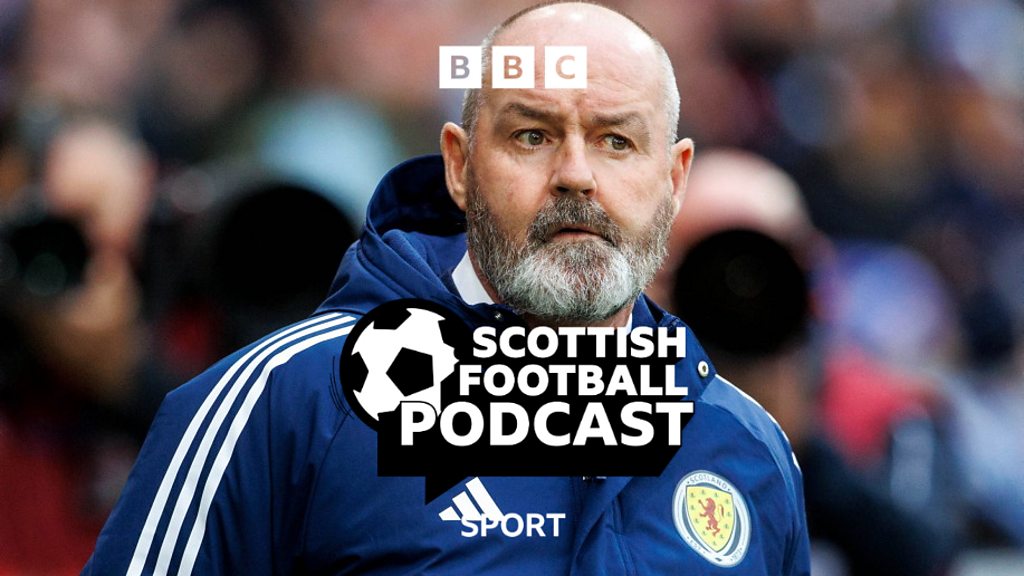
The end of the panic cycle
Scottish football usually operates on a simple, chaotic loop. Two bad results trigger a crisis. Three bad results lead to a furious radio phone-in. Four bad results, and someone is clearing out their desk.
It is a sport built on immediate reactions and short-term survival. That makes the current news cycle feel entirely alien. According to the latest discussions highlighted by the BBC, the biggest conversations in the country right now revolve around keeping people exactly where they are.
Discussions are ongoing regarding a new deal for Steve Clarke with the national team. Rangers are reportedly looking at extending James Tavernier's contract. Meanwhile, St Mirren are focused on securing their managerial stability.
Nobody is being chased out of town. Nobody is demanding a radical overhaul. Instead, there is a sudden, quiet acceptance that continuity might actually be worth something.
The devil they know at Hampden
Steve Clarke fundamentally altered the baseline expectations for the Scotland national team. Before he arrived, the job was widely considered a graveyard for coaching reputations. Managers would turn up, try to play expansive football, lose to a fourth-tier European nation away from home, and be sacked within two years.
Clarke stripped away the delusion. He engineered a 5-4-1 mid-block that dragged opponents into a physical slog. He solved the persistent Kieran Tierney and Andy Robertson dilemma by utilizing Tierney as an overlapping left-sided center-back. It was a tactical wrinkle that repeatedly overloaded the left flank and caught international managers entirely unprepared.
It was rarely beautiful. Watching Scotland grind out a narrow win on a wet Tuesday night is an exercise in endurance. But the results validated the method.
Now, talk of a new contract is floating around. By the time the FIFA World Cup kicks off on June 11, Clarke will have been in the post for seven years. That is an absolute eternity in the modern international game, where coaches typically burn out after a single four-year cycle.
Is he the right man to push them further? That is where the debate gets sharp. Critics argue his tactical setups are far too reactive. When Scotland falls behind against top-level opposition, the team often lacks a coherent attacking plan to chase the game. The rigid structure that protects them also severely limits their ability to break down a low block.
The pressure on Clarke during the upcoming qualification matches will be immense. The Tartan Army expects progress, not just participation. If Scotland fall into a pattern of cautious, sideways passing against lower-ranked nations, the atmosphere at Hampden will turn toxic incredibly quickly. A new contract does not buy immunity from criticism; it merely raises the stakes. He will need to prove that his 5-4-1 shape can evolve into something more expansive when the situation demands it.
Yet, the Scottish FA clearly prefers the known quantity. A new deal would be an admission that the floor Clarke has established is more valuable than gambling on a higher ceiling with an untested manager. They remember the dark days of shipping three goals in Kazakhstan, and they have absolutely no desire to return to them.
The irreplaceable anomaly at Ibrox
If Clarke is a pragmatic choice, extending James Tavernier at Rangers is a mathematical necessity.
Tavernier is a statistical freak. In an era obsessed with inverted full-backs tucking into midfield, he operates more like an old-fashioned right winger with defensive responsibilities. His goal and assist numbers over his time in Glasgow are simply ridiculous for a defender. He commands the penalty duties at Ibrox. He delivers wicked, dipping free-kicks. His corners are the primary weapon in the Rangers attacking arsenal.
The reported contract extension talks highlight a harsh reality for the club hierarchy. Replacing him is functionally impossible. You cannot go out into the European market and scout a right-sided defender who guarantees you 15 to 20 goal contributions a season without spending £40 million. Rangers simply do not possess that kind of capital.
But his presence forces massive structural compromises. Tavernier is a deeply polarizing figure among the Ibrox support because his defensive lapses are as spectacular as his goals. When Rangers build from the back, the right-sided midfielder almost always tucks inside, deliberately vacating the flank to give Tavernier a runway.
When the ball is turned over, he is frequently caught high up the pitch. This forces his center-back to drift wide and cover the empty acres of grass he leaves behind. Against quick, direct wingers, his lack of recovery pace is brutally exposed.
Furthermore, the burden of the captaincy weighs heavily on him. He is the face of the club during periods of immense turbulence. When the boardroom is in chaos or the manager is under fire, Tavernier is the one thrust in front of the microphones. That off-pitch responsibility, combined with his tactical importance, makes him a foundational pillar of the modern Rangers project. You cannot simply remove a pillar and expect the roof to stay up.
Offering him a new deal well into his thirties means Rangers are accepting that trade-off. They are admitting that the entire offensive system is too reliant on his right boot to let him walk away. Until they recruit a genuine number ten who can shoulder the creative burden, they are chained to Tavernier’s unique skill set.
Defying gravity in Paisley
The situation unfolding at St Mirren is perhaps the most instructive of all. Securing the manager’s future in Paisley speaks to a club that finally understands its place in the footballing food chain.
Outside of the Glasgow duopoly, the Scottish Premiership is a brutal, grinding environment. The financial disparity is massive. A single bad summer transfer window can drag a mid-table club into a desperate relegation dogfight.
We have seen clubs like Aberdeen and Hibernian repeatedly fall into the trap of short-termism. They demand immediate results, sack the manager by November, hire a replacement in January, and then wonder why the squad looks unbalanced and confused.
St Mirren have opted out of that chaotic cycle under Stephen Robinson. They have built a clear, uncompromising identity. Robinson sets his team up to be intensely organized. They do not press high for the sake of it. They drop into a compact 5-3-2, deny any space between the lines, and wait for the opposition to make a mistake.
It is a miserable experience for visiting teams. When the Old Firm roll into Paisley, they know they are not going to get a second on the ball.
Look at their recent performances against the top sides. They do not look intimidated. They look like a group of players who know exactly where they are supposed to stand, when they are supposed to jump, and where the ball needs to go when they win it back. That level of coaching clarity is rare in the bottom half of the Premiership. It is the direct result of giving a manager time to implement his methods without the constant threat of the sack hanging over his head.
Securing Robinson’s future is the smartest business the board can execute. He knows how to operate on a shoestring budget. He understands the English loan market. He knows exactly what profile of player fits his demanding system—usually hard-running, tactically disciplined professionals who follow instructions to the letter.
If St Mirren lost him, the entire project would reset. A new manager would arrive with new ideas, demanding different profiles of players. The club would have to fund a costly squad transition. By prioritizing continuity in the dugout, St Mirren are essentially buying themselves a massive insurance policy against relegation.
A rare outbreak of common sense
Football supporters are naturally restless. The demand for new signings, fresh tactical ideas, and managerial changes is constant. The allure of an unknown foreign coach or a flashy new winger is always stronger than the mundane reality of the current squad.
But this recent flurry of contract discussions suggests that the key decision-makers in Scottish football are learning a hard lesson. Tearing the house down every 18 months does not build a better house. It just leaves you standing in the rubble.
Ultimately, stability is the most undervalued currency in modern football. It allows players to build partnerships. It allows managers to implement nuanced tactical instructions that take months to learn. It prevents the disastrous panic-buying that ruins club finances. The SPFL has long been a league defined by its volatility. If these contract extensions go through, it signals a significant maturation in how clubs and the national association conduct their business.
Steve Clarke organizing his defensive block, James Tavernier stepping up for another high-stakes penalty, and Stephen Robinson drilling his midfield in Paisley—these are known quantities. They are proven commodities in a sport that constantly overvalues potential.
It may not generate thrilling headlines. It may not satisfy the angriest voices on the post-match phone-ins. But keeping the right people in the building is the only legitimate way to build sustainable success. For once, Scottish football appears to be looking further ahead than next Saturday.
Read Next
- Scottish football is currently losing its collective mind over Steve Clarke and James Tavernier
- Scotland's new deal for Steve Clarke is a vote for safety over progress
- Man United's corporate squeeze is driving real football fans to Oldham
- Why Man Utd's Ndiaye pivot is flawed, and Al-Ittihad's Salah push isn't
- ⚽ Scottish Premiership 2025-26 — Celtic vs Rangers Hub
The Age of Football: Soccer and the 21st Century by David Goldblatt
A deep dive into the global impact of the beautiful game.
More Coverage
Arne Slot's Liverpool exit: A 20th title followed by total collapse
3 hours agoArsenal and PSG are locked in a tactical stalemate at the Allianz Arena
3 hours ago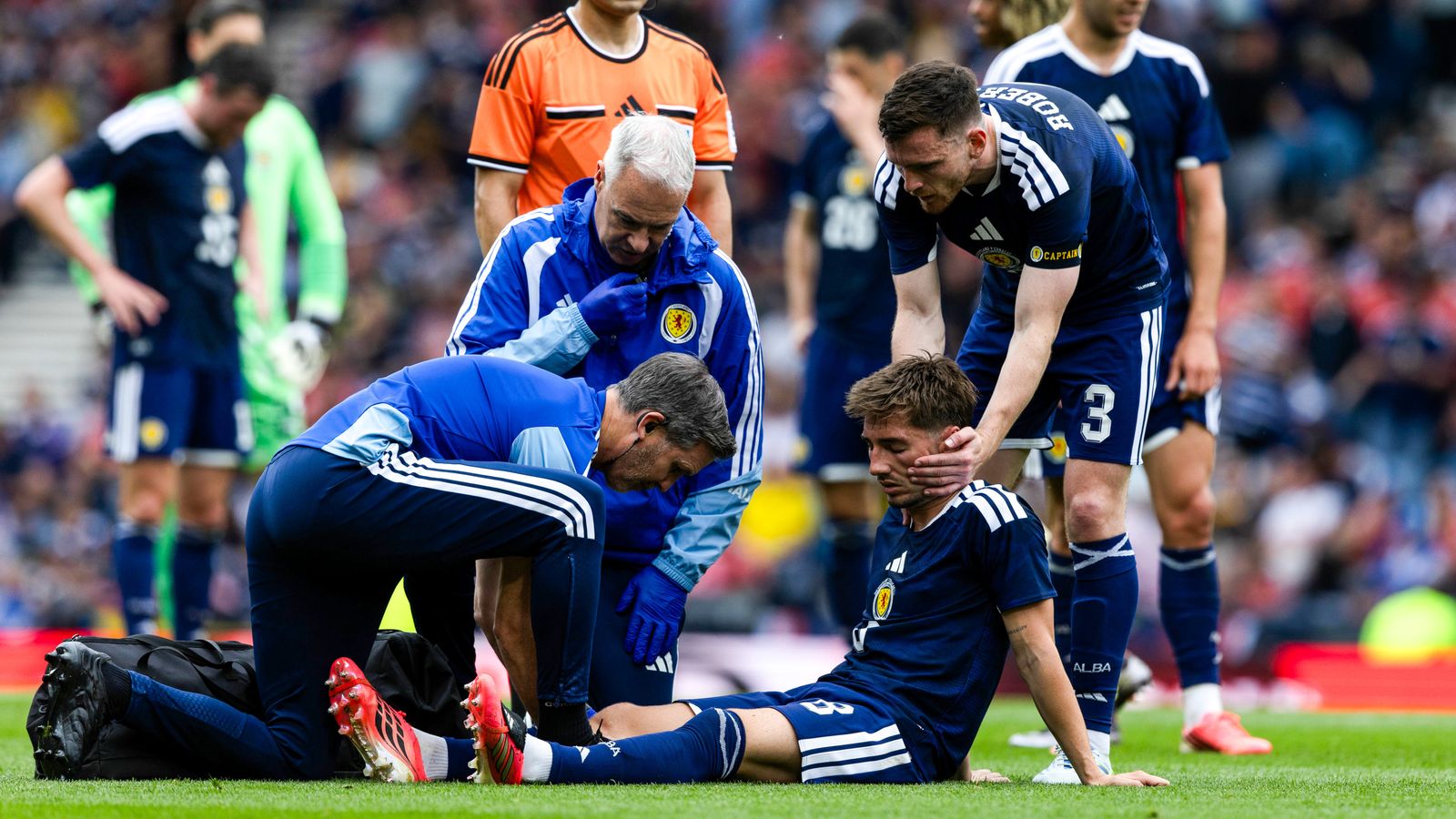
England and Scotland are drifting toward a World Cup disaster
6 hours agoArsenal and PSG are colliding in a game of high-stakes chess
11 hours ago
Scotland’s path through group stage hinges on the Haiti opener
23 hours ago
Nice saved their season, but 2026 demands a complete tactical reboot
1 day agoMore Analysis
Scotland's new deal for Steve Clarke is a vote for safety over progress
2 months ago
Scottish football is currently losing its collective mind over Steve Clarke and James Tavernier
2 months ago
Steve Clarke's Scotland gamble is a dangerous game
1 month, 4 weeks ago
Rangers found their enforcer and Scotland's midfield finally matured
1 month, 2 weeks ago
Celtic, Rangers, and Hearts face the ultimate April tactical test
1 month, 2 weeks ago