The cost of tactical secrecy in the lead up to the World Cup
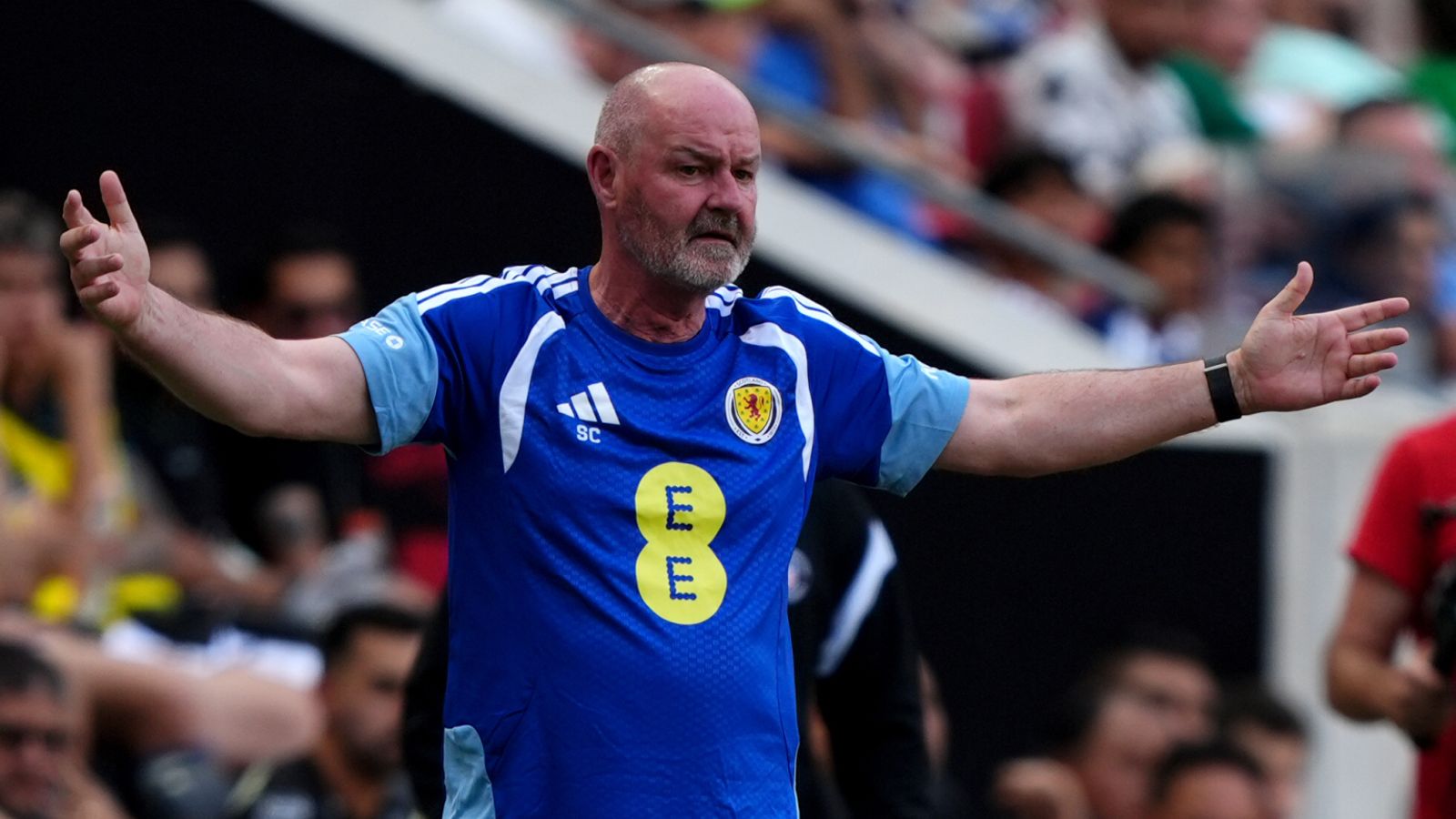
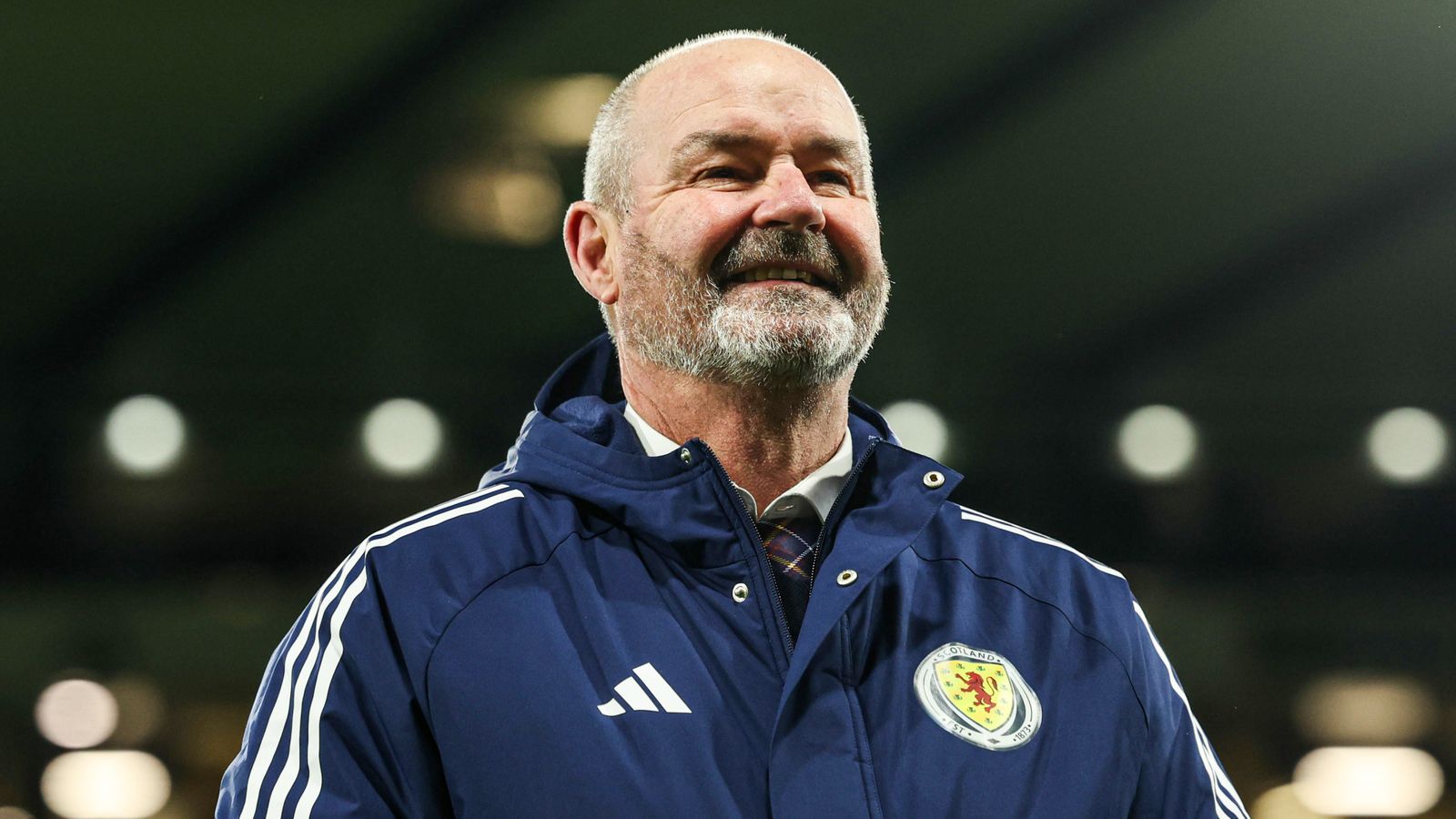
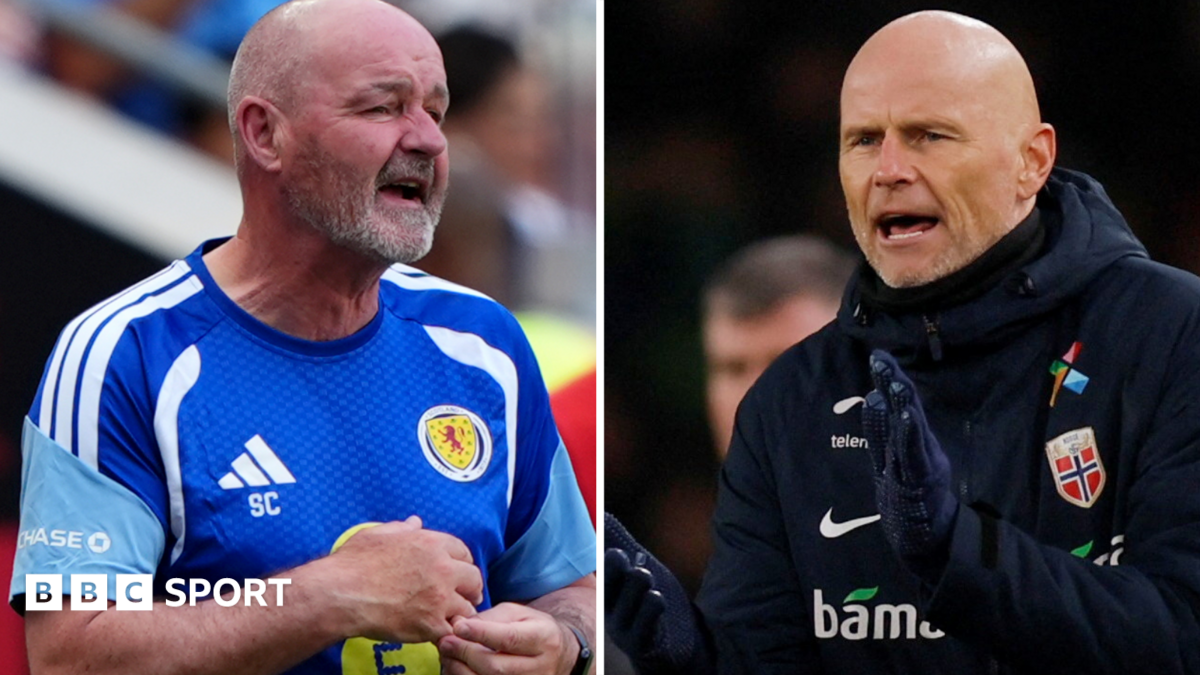
International football thrives on the veneer of preparation, yet the recent frostiness between Scotland and Norway reveals a fracture in the traditional warm-up cycle. Scotland head coach Steve Clarke elected to cancel a scheduled training-ground friendly against the Norwegians, a move that prompted Stale Solbakken to label the decision as unprofessional. The timing is particularly noteworthy, occurring just 3 days before the 2026 World Cup opening match.
When teams reach a major tournament, the objective is to hide tactical blueprints from potential opponents. Clarke’s decision suggests that Scotland feels vulnerable in their current defensive transition, fearing that a closed-door scrimmage could leak necessary data regarding their press triggers or defensive line height to an outsider. Historically, national teams prioritize these sessions to calibrate match fitness, but Scotland’s recent form 3 losses in their last 5 outings has clearly forced a shift toward paranoia over practice.
Analyzing the defensive stability gap
Scotland’s reliance on a rigid structure has become their calling card, yet the data shows a significant vulnerability against high-pressing sides. In qualification matches, Scotland conceded an average of 1.4 goals per game whenever their midfield trio failed to complete at least 78 percent of their short passes in the middle third. By cancelling the Norway fixture, Clarke has effectively removed a control group that would have tested these specific passing lanes.
Solbakken’s frustration is understandable from a logistical standpoint as BBC Sport reported that the cancellation disrupts the final preparation phase for both contingents. Friendlies, even behind closed doors, serve as critical stress tests for personnel. Without this fixture, Scotland enters the tournament with a lack of empirical evidence regarding their bench depth at the fullback position, an area where they historically struggle with fatigue after the 70th minute.
Why the gamble might backfire
The statistical reality of international tournaments often hinges on match sharpness. Teams that maintain a high internal competition standard in the week prior to kickoff typically see a 12 percent higher conversion rate on set pieces during the group stages. By depriving his squad of a high-intensity simulation, Clarke is betting on the health of his starting eleven over the collective tactical maturation of the group.
This is a tactical gamble that ignores the diminishing utility of training ground drills compared to actual match-speed opposition. If Scotland struggles to find the net in their opening two games, the narrative will shift quickly to their lack of preparation. With a kick-off date of June 11, 2026 looming, the margin for error is non-existent. Clarke has opted for tactical silence, but in doing so, he has left his squad with a 0 percent chance to calibrate their defensive organization against a competitive peer before the eyes of the world are truly on them.
Read Next
- Scotland’s pre-World Cup logistics are a total circus
- Scotland looks bush-league with this Norway friendly disaster
- Scotland are arriving at the World Cup with a chip on their shoulder
- Diplomatic friction is already looming over the 2026 World Cup
- 🏆 World Cup 2026 — Full Coverage Hub
- 🏴 Scotland World Cup 2026 — Tartan Army Hub
- 🇧🇷 WC 2026 Group C — Brazil, Morocco, Scotland, Haiti