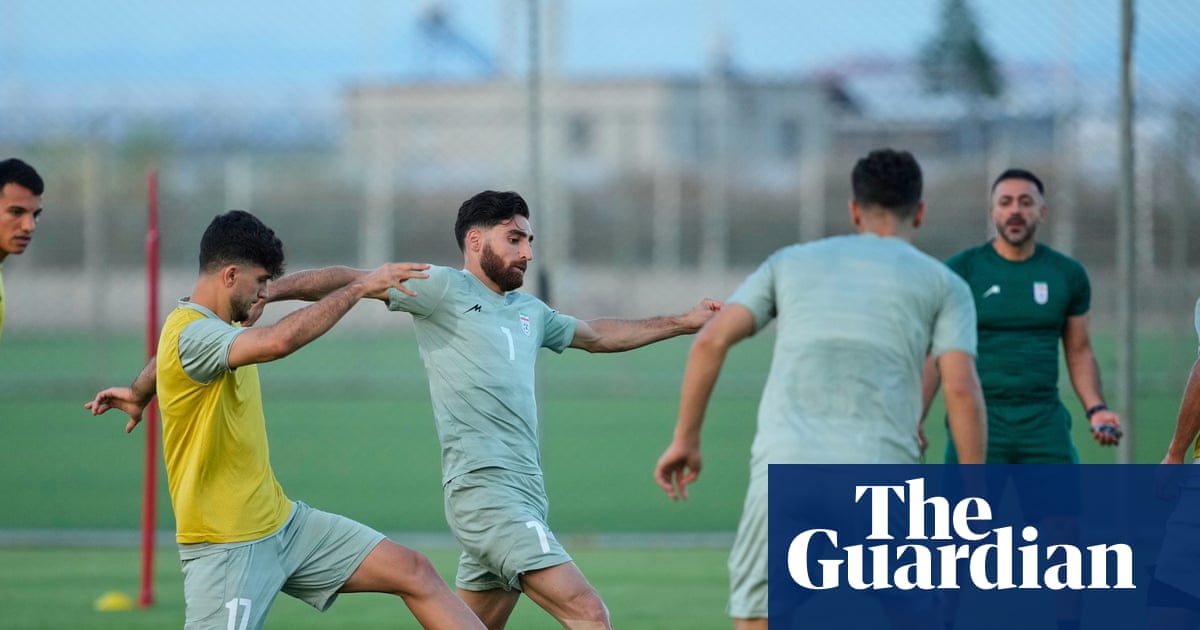
Diplomatic friction is already looming over the 2026 World Cup
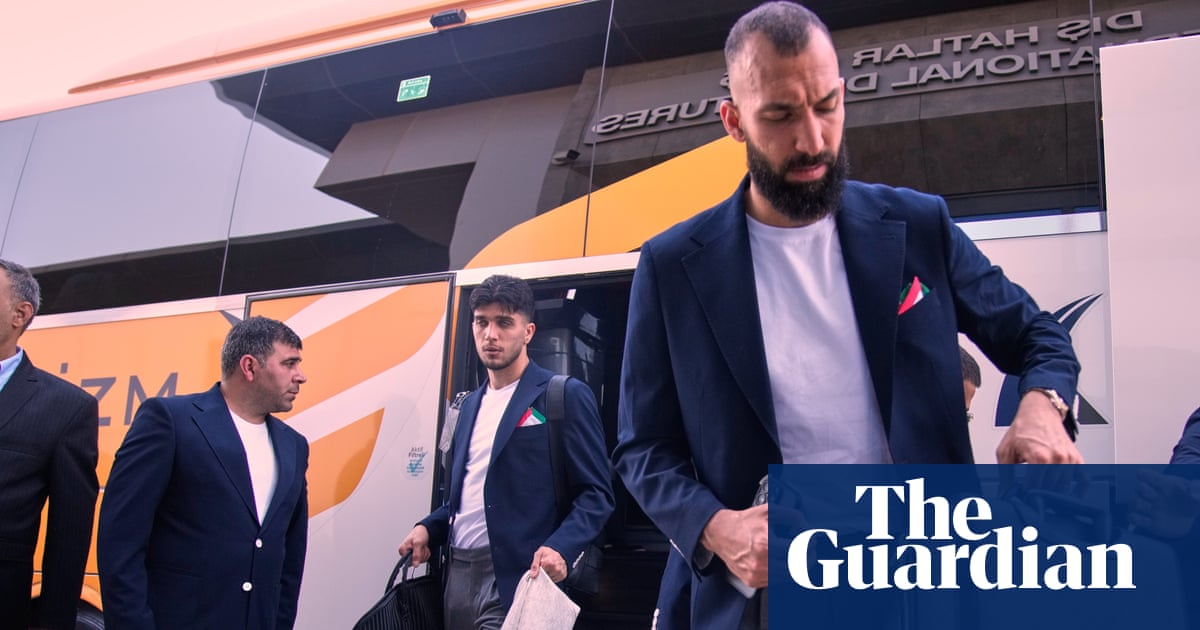
Visa standoff exposes the fragility of the 2026 tournament
With the opening whistle of the 2026 World Cup now just four days away, the focus should be on tactical preparation and starting lineups. Instead, the discourse has shifted toward the US state department’s visa handling regarding the Iranian delegation. Managing a squad during a major tournament is a high-wire act under normal circumstances; doing so while missing key staff members is a logistical nightmare.
The US government asserts that the necessary visas were authorized for the players and primary coaching staff. However, the reports of denial for several support personnel signal a troubling distraction. Whether these omissions were purposeful or administrative negligence, the effect on team preparation is identical. Integrating video analysts and kit managers into a pre-tournament camp requires months, not days. Scrambling to fill those roles mid-week is simply not a professional standard for international competition.
Tactical stagnation in the home nations
As we eye the June 11 kickoff, two teams specifically present alarming indicators of decline. Steve Clarke’s midfield dilemma regarding Scotland has become public record. His adherence to a static double-pivot is objectively failing to bridge the gap in possession-heavy phases. When the pivot lacks the mobility to recycle the ball or the vertical passing lane to break a low block, the striker becomes an island.
We saw this struggle manifest repeatedly during the spring. Scotland’s build-up play currently stalls at the 35-meter mark because the pivot players stand shoulder-to-shoulder rather than staggering their positioning. Staggered positioning is the most basic metric for creating interior passing triangles, yet Clarke seems wedded to a formation that effectively kills his own attacking potential.
Defensive collapse and the danger of transition
Wales offers a slightly different, though equally concerning, silhouette. Their defeat in Bucharest was a masterclass in how to concede space. Losing concentration against a mid-tier European side is one thing; doing it against the level of opposition at the World Cup will result in 4-0 or 5-0 scorelines by halftime. The defensive drift shown in Romania was not a momentary lapse but a structural decay.
The team’s backline currently lacks a vocal leader to anchor the secondary recovery. In the 2026 qualifiers, Wales repeatedly allowed runners to bypass their defensive line unnoticed because the wing-backs over-committed to the attack without a compensating center-back slide. It is a fundamental error: if you press high with three defenders, your defensive midfielder must drop into a back four to prevent the counter-attack. Failing to rotate these triggers is tactical malpractice at this level.
The shadow of external pressures
The situation involving the Iranian staff is a reminder that sports do not exist in a vacuum. A team represents the synthesis of its tactical plan and its internal stability. If a coach is spending their Thursday afternoon negotiating with embassies, they are not spending that hour reviewing defensive shape or set-piece triggers. The distraction is the real opponent here.
Whether it is Clarke’s refusal to pivot away from a flawed midfield structure or the ongoing diplomatic spat in North America, the 2026 tournament is arriving with a heavy coat of friction. We often talk about the intensity of the home crowd or the high-altitude pressure in Mexico, but the most significant factor is usually the ability of the manager to ignore the noise. Right now, several squads appear far too preoccupied with the noise to actually play the game.
Read Next
- Wales face a grim reality check before World Cup opener
- Scotland’s clinical warm-up surge sets a dangerous World Cup precedent
- Scotland are peaking at the right time before the World Cup
- Scotland’s midfield transition is officially taking flight
- 🏆 World Cup 2026 — Full Coverage Hub
- 🏴 Scotland World Cup 2026 — Tartan Army Hub
- 🇮🇷 Iran World Cup 2026 — Team Melli Hub
- 🇧🇷 WC 2026 Group C — Brazil, Morocco, Scotland, Haiti
- 🏴 Wales at the 2026 World Cup — Full Coverage Hub
G-Form Pro-S Vento Soccer Shin Guards
Revolutionary shin guards that feel exactly like a second skin.
Frequently Asked Questions
Why is the Iranian team facing logistical challenges for the 2026 World Cup?
What is the primary tactical issue facing Steve Clarke’s Scotland team?
How has Wales’s defensive performance been described leading up to the Cup?
When does the 2026 World Cup tournament begin?
What fundamental tactical error is Wales making in their defensive rotation?
More Coverage

World Cup broadcasting has reached a crossroads
6 hours ago
Canada avoids disaster with a late lifeline from Larin
8 hours ago
Scotland playing Traitors to prep for the World Cup is pure chaos
9 hours ago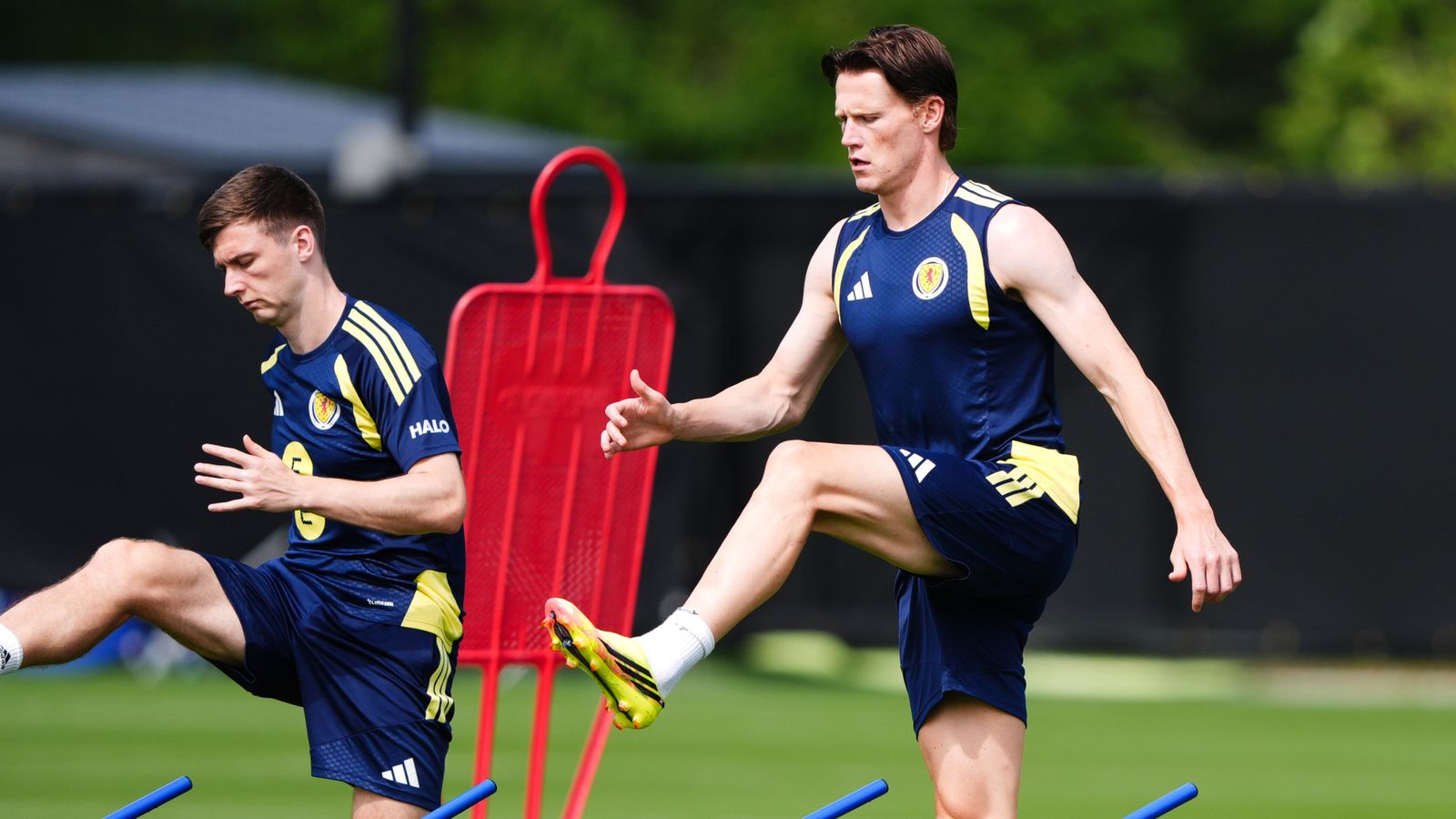
Scotland fans survive McTominay scare ahead of the Haiti clash
9 hours agoTop 10: Top Moments
10 hours ago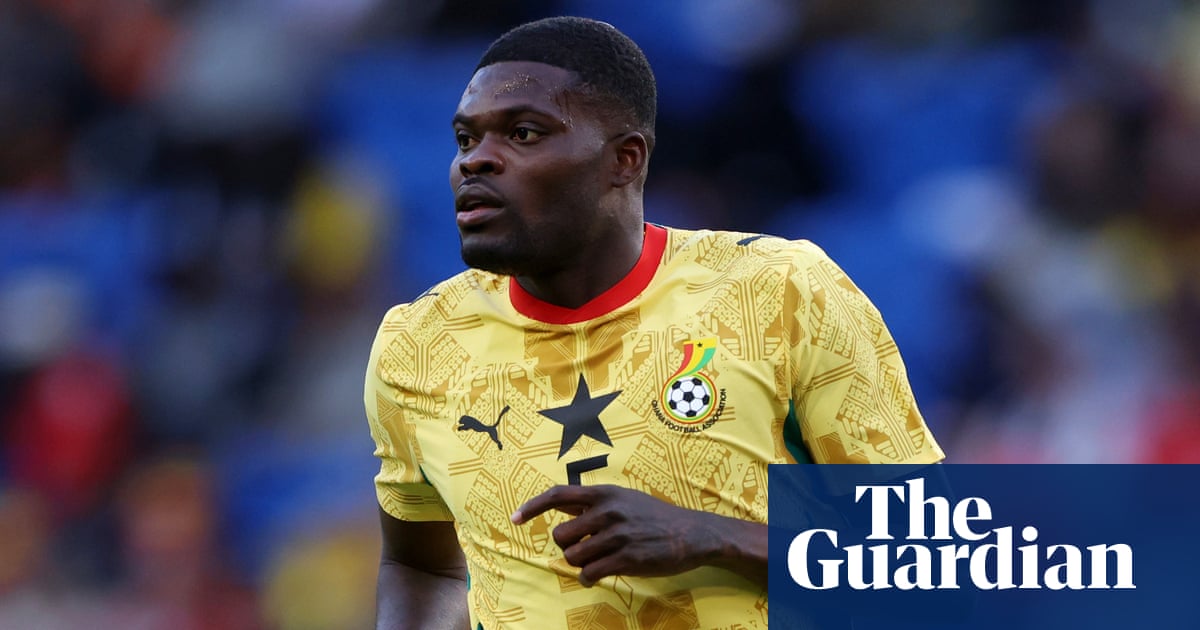
Ghana’s midfield is in total shambles before the Panama kickoff
11 hours agoMore Analysis

Politics is already overshadowing the 2026 World Cup
4 days, 12 hours ago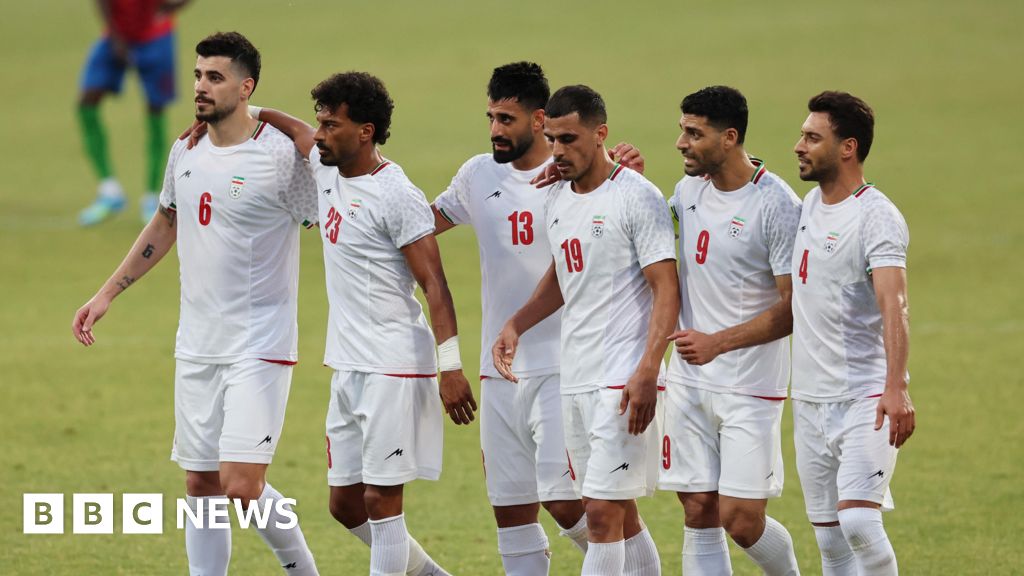
Bureaucracy is already sabotaging Iran's World Cup buildup
6 days, 15 hours ago
Iran's World Cup fate rests on a bizarre Trump U-turn
1 month, 1 week ago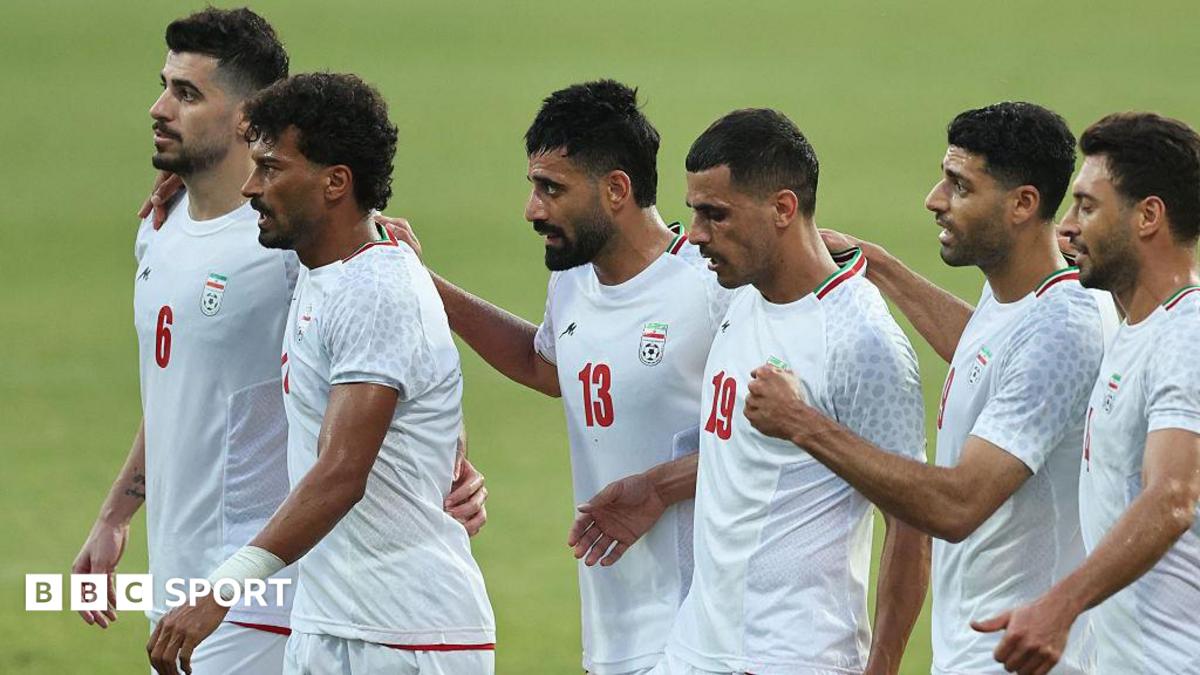
Iran enters the World Cup facing a logistical nightmare
3 days, 19 hours ago
World Cup 2026 kicks off with more questions than answers
5 days, 19 hours ago