The friction behind the scenes
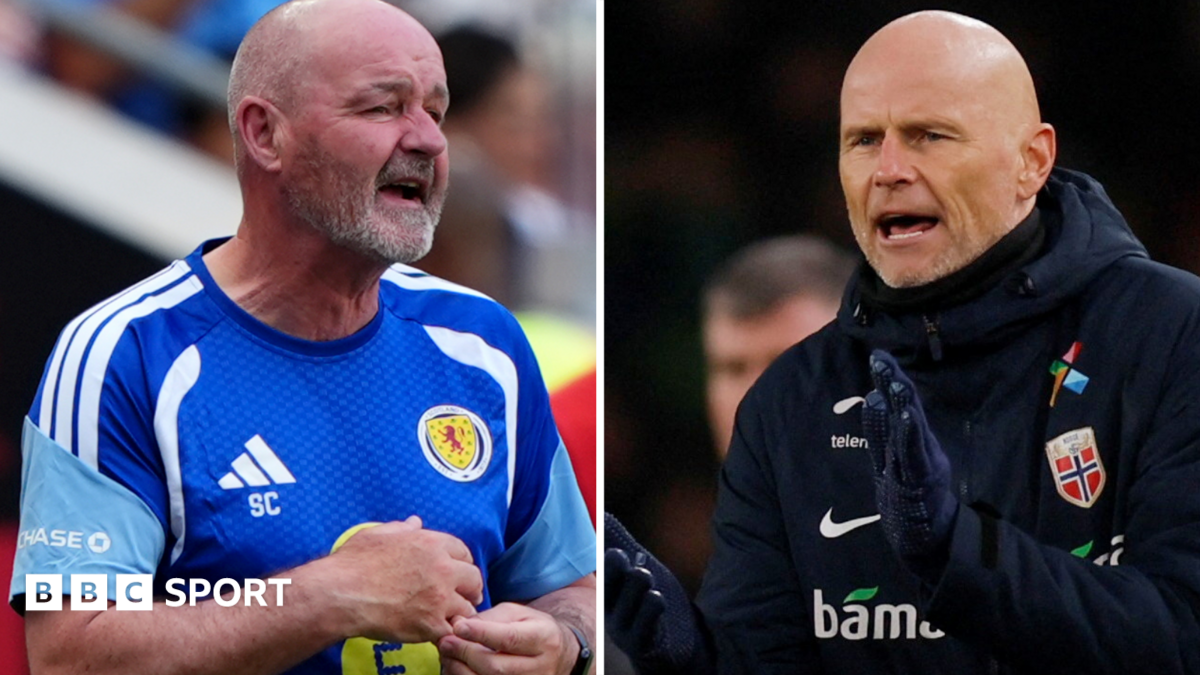
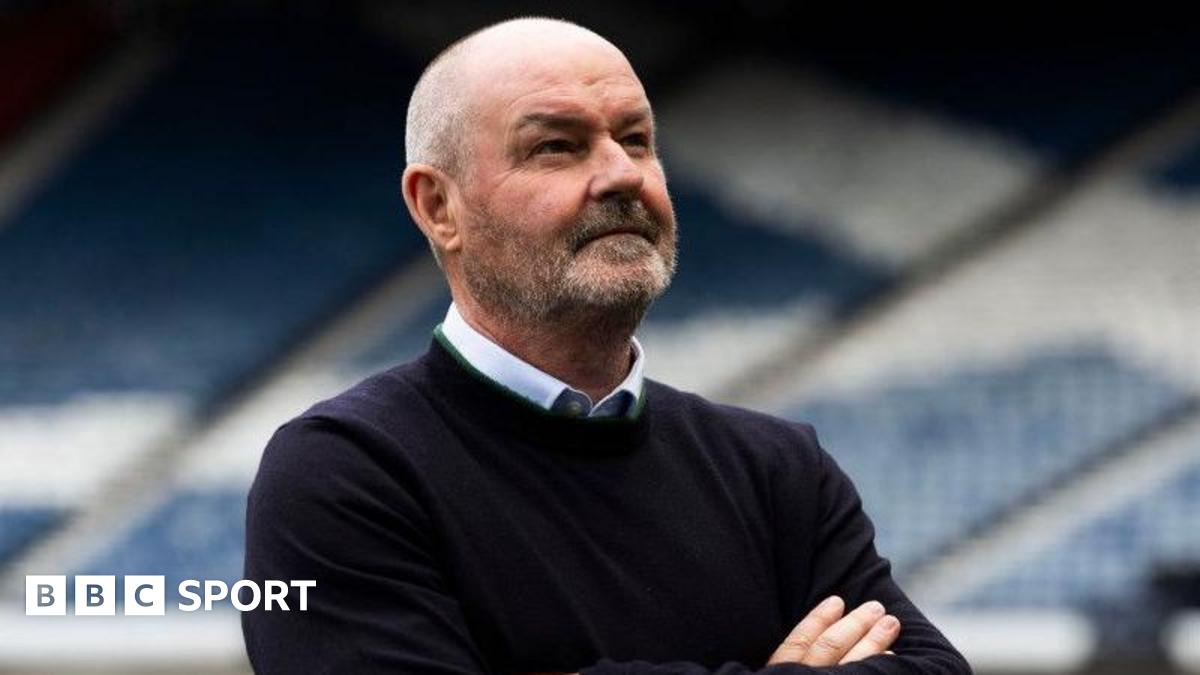
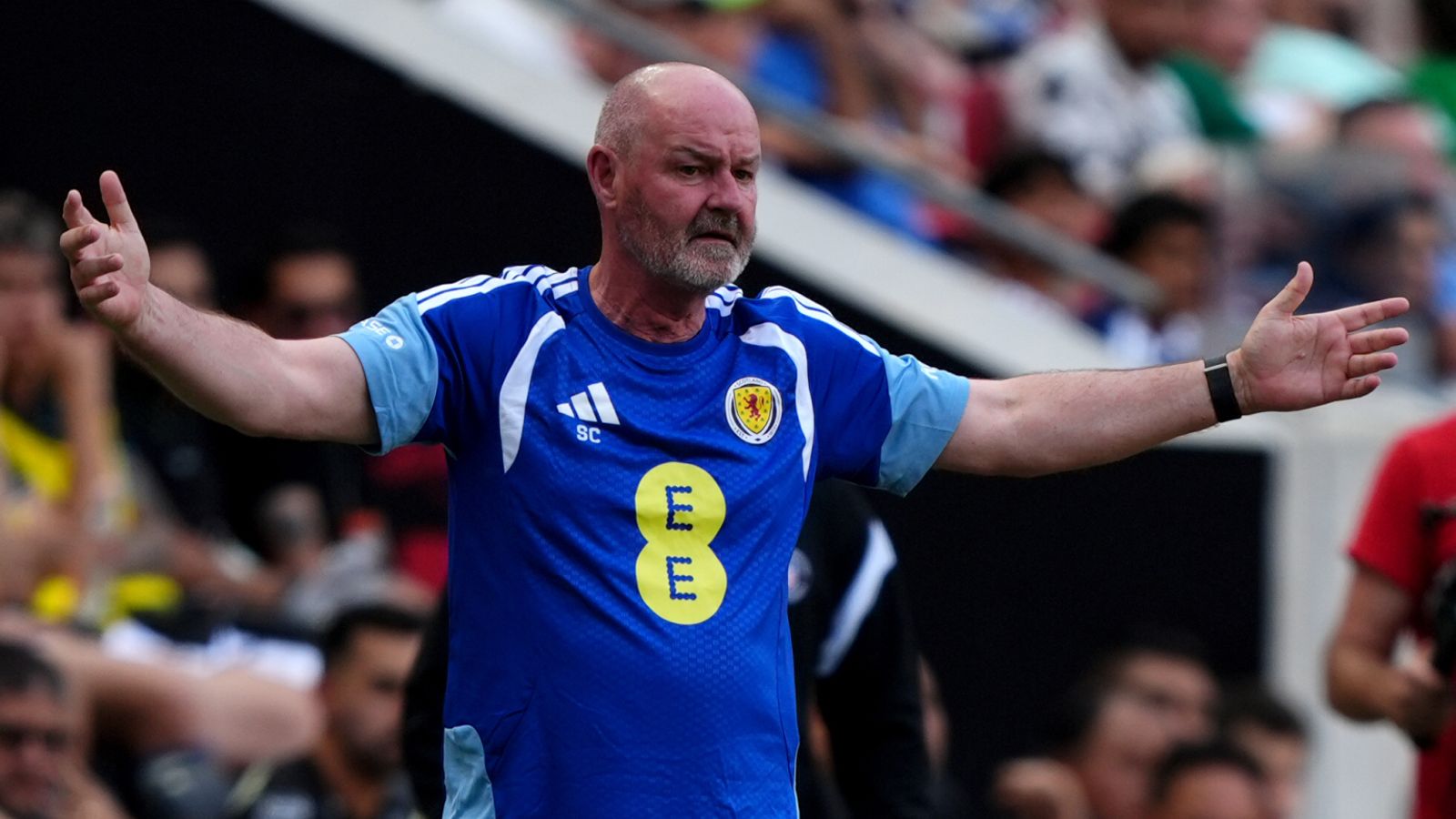
Three days out from the opening match of the 2026 World Cup, the chatter in the press lounges isn't about the tactical nuances of the 3-5-2 or the efficacy of high-pressing transitions. It is about a bizarre diplomatic spat. Steve Clarke’s decision to pull the plug on a behind-closed-doors friendly with Norway has injected unnecessary tension into the tournament build-up.
Stale Solbakken didn't mince words, publicly accusing the Scottish camp of being unprofessional. When you cancel a scheduled match on the eve of a global event, you invite this kind of scrutiny. It portrays a lack of readiness or a desperate attempt to shield emerging tactical flaws from prying eyes.
As Sky Sports reported, this friction serves as a distraction that Clarke simply does not need. International football matches are often decided by margins so slim they essentially disappear upon inspection. Preparing for those margins requires discipline, not training-ground theatrics.
Tactical rigidity vs. reality
The obsession with acclimatization and climate chambers remains the dominant theme among the backroom staff. We see teams monitoring hydration levels and heart-rate variability as if these metrics could somehow override a loss of defensive shape in the 89th minute. Fitness is essential, but it is rarely the difference-maker when tactical structure collapses.
Scotland’s recent form has fluctuated, often reliant on a deep defensive block that invites pressure. While this strategy offers protection against elite midfields, it demands elite concentration. Any lapse in the transition phase against high-caliber opponents exposes the gap between the wing-backs and the center-halves.
Clarke’s tendency to revert to a five-man backline stifles creativity in the final third. When the pivot player is pegged back too close to the defenders, the distance to the forward line creates a vacuum. This is where possession often dies, leading to long-ball desperation.
What to watch for in Group play
- The positioning of the defensive pivots when facing a wide 4-3-3.
- The recovery pace of the back three against high-tempo wingers.
- The effectiveness of long switches to bypass the initial press.
The tournament setup assumes that teams will arrive as cohesive units. However, based on the recent cancellation, one wonders if the Scottish squad is as unified as the public-facing rhetoric suggests. A fractured locker room usually manifests in poor defensive communication. Watch the second ball off restarts; if the clearing headers lack purpose, the structural integrity is already gone.
My prediction for the opening round for Scotland is a hard-fought draw. The lack of match sharpness due to the cancellation of the Norway friendly means they will struggle to find a rhythm until the second half. Expect a 0-0 scoreline that highlights the defensive work they clearly prioritize over offensive innovation.
Read Next
- Steve Clarke's pragmatic gambit is souring relations before kickoff
- Scotland’s pre-World Cup logistics are a total circus
- Scotland are arriving at the World Cup with a chip on their shoulder
- Diplomatic friction is already looming over the 2026 World Cup
- 🏆 World Cup 2026 — Full Coverage Hub
- 🏴 Scotland World Cup 2026 — Tartan Army Hub
- 🇧🇷 WC 2026 Group C — Brazil, Morocco, Scotland, Haiti