The party is almost here, and so is the panic
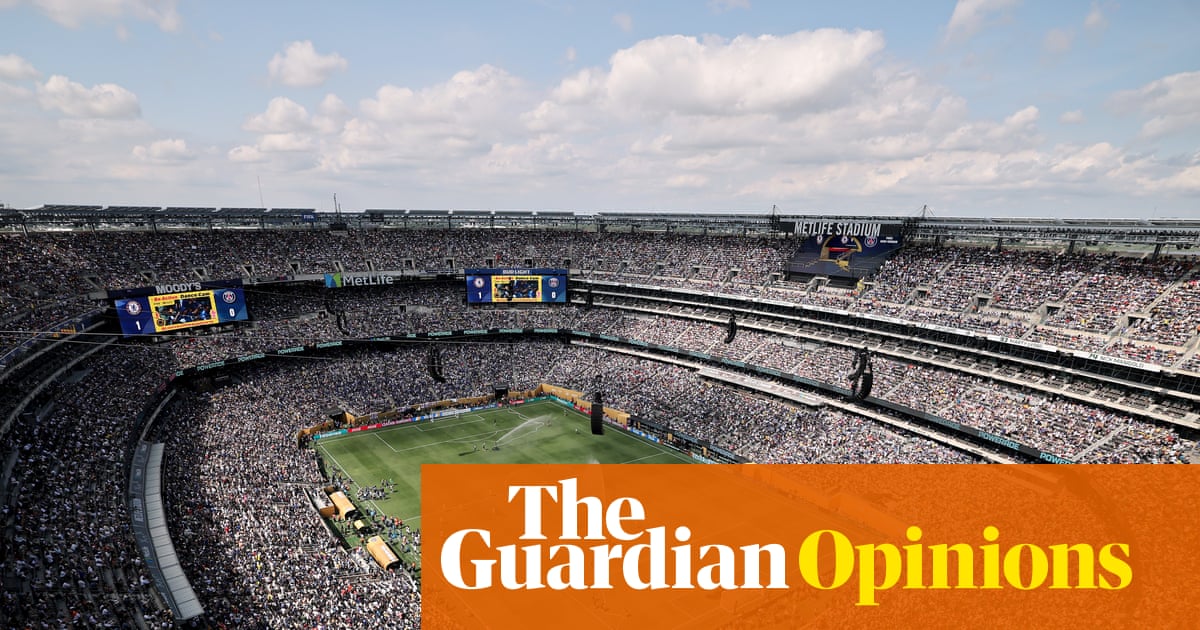
We are just 39 days away from the 2026 World Cup kickoff, and the vibe shift is genuinely concerning. While the powers that be in Zurich and the host cities preach about unity, the real story is playing out in the fine print of security briefings and budget spreadsheets. It turns out that putting on the world's biggest sporting event in North America is turning into a chaotic production that looks more like a disaster film than a celebration of football.
The BBC is apparently bracing for more than just bad refereeing. As recent reports suggest, they have dropped some serious coin on riot training for their staff. We aren't talking about crowd control for pitch incursions; we are talking about preparing for protests related to Donald Trump. It is a grim reminder that when you host a global event in a polarized political climate, the beautiful game can quickly get sidelined by the ugly reality of national unrest.
The health crisis you weren't bracing for
If riots weren't enough to keep you up at night, let's talk about the biological lottery. Doctors in the host regions are actively running drills for disease outbreaks, including high-consequence pathogens like Ebola. Yes, you read that right. A training exercise recently involved 500 health providers moving portable bio-containment units to practice isolating and transporting contagious patients.
It is a necessary precaution, I suppose, but it is hardly the promotional material FIFA wants on the marquee. Being huddled in a stadium, mid-way through the group stages, and realizing the guy next to you is a containment risk isn't exactly the kind of atmosphere the marketing campaigns promised. This is high-stakes medicine, not fan-zone fun, and it underlines the sheer scale of the nightmare facing local healthcare infrastructure.
An experience for the ultra-wealthy only
Then we have the minor issue of actually attending the games. Unless you are a crypto billionaire or have a credit card with no limit, the financial barrier to entry is absurd. The BBC has highlighted that the combination of exorbitant ticket prices and record-breaking travel costs is effectively pricing out the average fan.
Accommodation prices have reached speculative bubble levels, and train fares are operating in a reality where price gouging is apparently standard practice. We aren't talking about a budget holiday here; we are talking about a month-long mortgage payment for a week of group stage fixtures. At this point, the stands might just be filled with tourists who have never seen an offside rule in their lives.
A rare bright spot in the chaos
In the middle of this dystopia, at least one nation is actually happy. Paraguay has officially secured their spot in the tournament, ending a drought that dates back to the 2010 quarter-finals. As noted by recent coverage, Gustavo Alfaro has managed to turn the tide for a team that has been irrelevant on the global stage for well over a decade.
That is the one thing the bureaucrats can't mess up — the actual football. Paraguay’s return is a win for the sport, even if the logistics surrounding them are absolute garbage of the highest order. We are going to have a 48-team tournament, which will undoubtedly produce some historic moments on the pitch, provided we don't catch a plague or get caught in a civil protest on the way to the turnstiles.
Read Next
- Martínez Injury Nightmare Returns, World Cup Dream in Tatters
- Diogo Costa's title-winning form makes Portugal the team to beat
- Liverpool fans are spiraling over the Mo Salah farewell tour
- Prepping for 2026: A Review of the Trionda Ball, USMNT Scarves, and Tactical Deep Dives
- 🏆 World Cup 2026 — Full Coverage Hub
- 🇵🇾 Paraguay World Cup 2026 — La Albirroja Hub
- 🇺🇸 WC 2026 Group D — USA, Paraguay, Australia