Chaos in Kansas City and beyond
With the opening whistle in the US exactly 26 days away, the 2026 FIFA World Cup is already stumbling. While the talk should be about tactical shifts, we are instead dissecting a logistical disaster. Reports suggest hotels in major host cities remain largely empty, signaling a catastrophic failure in projecting fan turnout for this inaugural 48-team marathon.
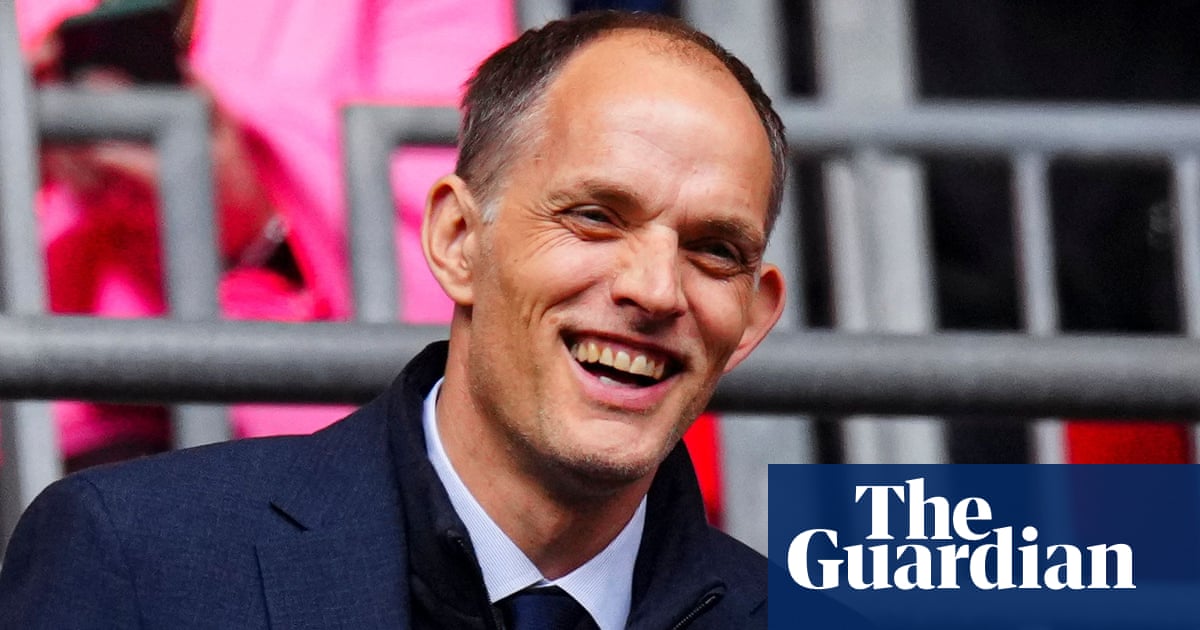
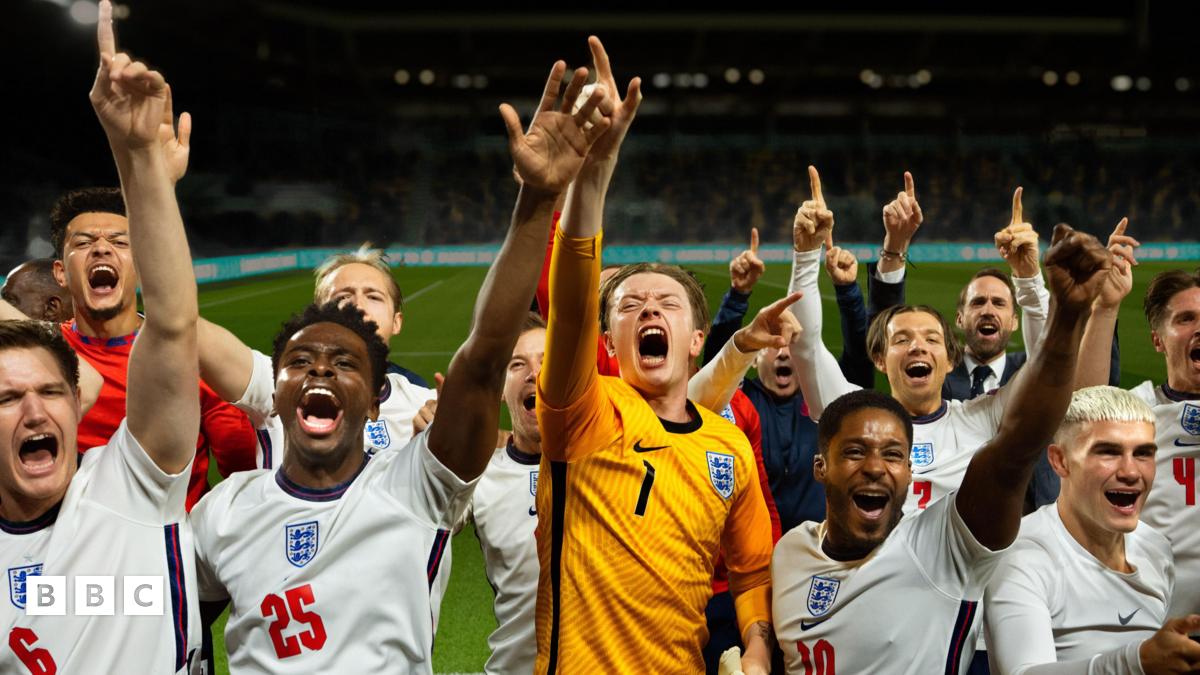
The situation inside camp is even worse for England. Thomas Tuchel, tasked with bringing football home, finds his squad stationed at a base currently being described as having 'League Two' capabilities. Neighbors Argentina secured elite-tier lodging, while England prepares for 90-minute matches in facilities that lack professional standards. The FA is seemingly more concerned with branding than baseline performance, commissioning an artist to paint murals of the squad rather than focusing on the infrastructure required to win a major tournament.
Squad selection and the injury bug
The manager's headache is only worsened by the medical room. Manchester United must navigate the summer without Matthijs de Ligt, who has finally surrendered the battle against a chronic back issue, opting for surgery that forces him out of the competition. It is a massive blow to the Dutch defensive line, leaving a hole in their high-press identity.
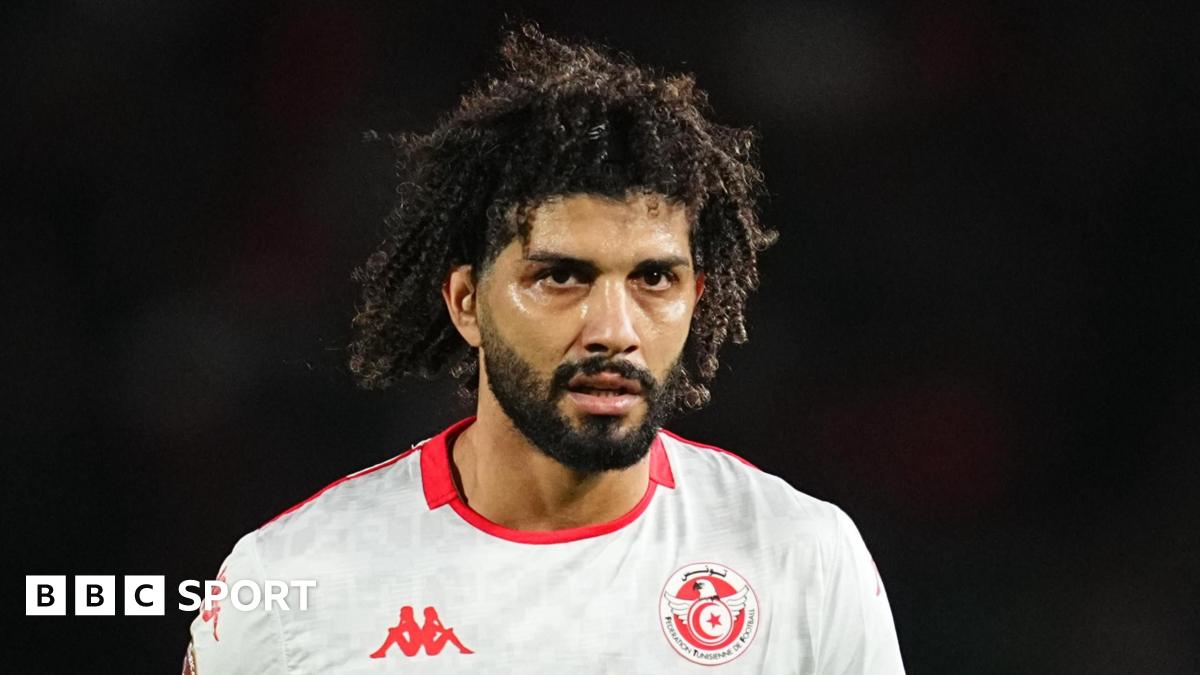
Meanwhile, the squad announcements are proving that sentimentality is fading across the board. Tunisia has cut Ferjani Sassi, ruthlessly discarding a veteran with 101 caps, while Ivory Coast has left Wilfried Zaha at home. These decisions prioritize current form over international recognition. Belgium, however, remains a question mark, keeping Romelu Lukaku in the fold despite Rudi Garcia publicly admitting the striker is currently out of shape.
The broader tactical reality
- Brazil is testing the limits of its squad depth under Carlo Ancelotti, with Neymar's involvement still hanging by a thread due to fitness concerns.
- Scotland is firming up its plans, naming Haiti as a confirmed opponent as they scramble to find a rhythm ahead of the group stages.
- Discipline is already an issue for FIFA's officiating pool, with a referee recently removed from the tournament following an arrest in London.
We are watching high-level professional sports operate in a vacuum of confusion. While the marketing machines churn, the actual product is under immense pressure to deliver on the pitch despite shoddy preparations. With squads being finalized before the June 2 deadline, managers have no room for vanity picks. The talent gap in a 48-team tournament ensures that minor errors in camp discipline or fitness levels will be punished by smaller nations who have spent months preparing this specific tactical approach.
The final assessment
My prediction for the opening weeks is a messy, disjointed spectacle. The expansion to 48 teams has diluted the talent pool, and the logistical friction of hosting across multiple US cities will dampen the intensity we expect from a World Cup. Expect high-scoring games against lower-tier oppositions, followed by a sudden, jarring shift in rhythm when genuine contenders face each other in the knockout stages.
If the training facilities cannot meet standard requirements, we should brace for more injury setbacks beyond just de Ligt. Thomas Tuchel has a mountain to climb, and it starts with correcting the mood in camp before the first ball is kicked. Do not expect traditional dominance from the favorites early on; this tournament will be won by the side that manages the internal chaos best, not necessarily the one with the most individual star power.