Logistical heavy lifting on a micro-scale
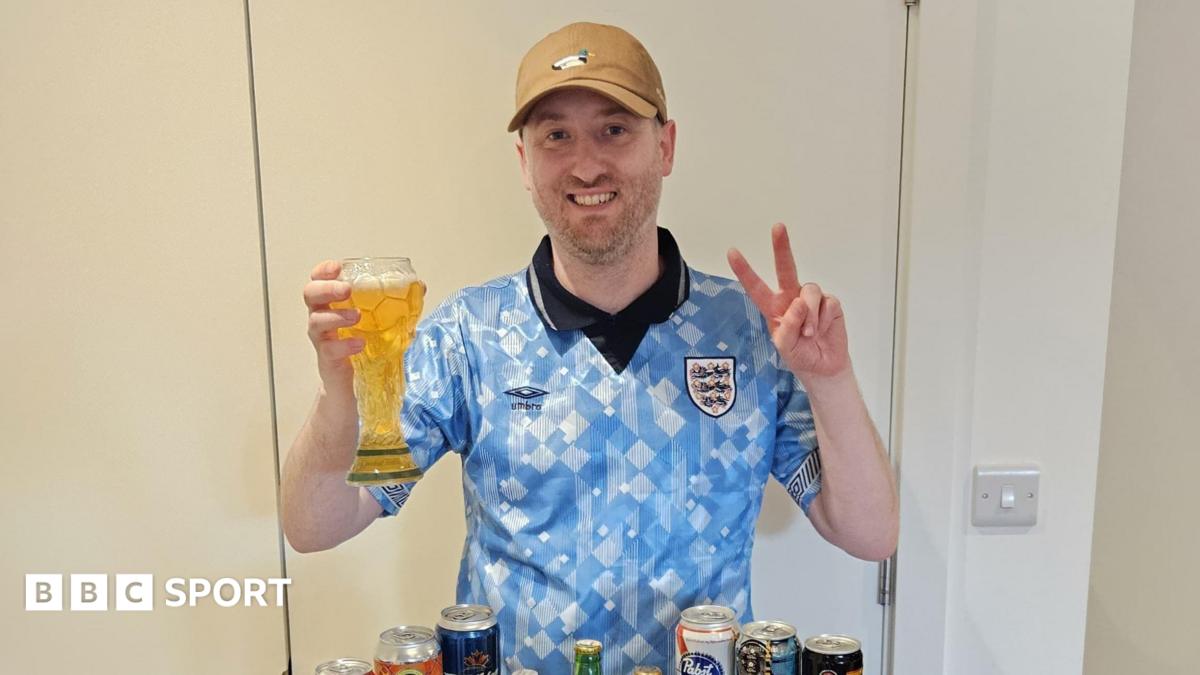
When the 2026 World Cup kicks off in two days, most fans will focus on the tactical formations of their respective nations or the structural integrity of the expanded 48-team bracket. Gus Hully, a long-time England follower, has spent his pre-tournament window managing a different kind of logistics: securing a singular beer from every participating country. It is an exercise in supply chain management that makes international travel seem trivial.
Hully managed to procure bottles or cans from all 48 nations involved in this cycle. This process required navigating varied import regulations, shipping delays, and the simple reality that many of these breweries lack meaningful export channels to the United Kingdom. His collection serves as a physical headcount of a tournament that has officially ballooned beyond its traditional limits.
Expanding the bracket and the bar tab
The 2026 tournament marks a distinct shift from the 32-team format that defined international football for decades. Adding 16 additional slots creates a broader geographical footprint, but it also tests the depth of the global game. Hully's inventory confirms that the map of competitive football has stretched into regions that traditionally lacked representation on the sport's biggest stage.
As the BBC reported, this project was not merely a hobbyist's whim but a technical obstacle course. Sourcing beer from nations with minimal alcohol-based tourism or complex distribution networks turned a simple shopping list into an eighteen-month logistical operation. The final count of 48 unique countries is a stark reminder of the scale FIFA has reached.
The hidden cost of expansion
While FIFA executives tout the merits of a more inclusive tournament, the logistical friction Hully encountered highlights the complexity of this new model. Integrating smaller footballing nations into the tournament structure brings prestige but complicates everything from travel corridors to fan engagement zones. We are effectively observing a transition where the World Cup is no longer a centralized event but a sprawling global logistics management test.
The data suggests that the expansion to 48 teams has diluted the average FIFA ranking of the bottom tier of participants. While this creates Cinderella stories, it forces organizers to manage a high degree of variance in fan infrastructure and team support. Hully's beer collection is a miniature reflection of this: it is a high-effort attempt to bring uniformity to an increasingly fractured and vast tournament geography.
Efficiency vs scale
One counterintuitive finding is that while the tournament has grown in size, fan sentiment remains anchored to the traditional powers. Despite the vast number of participating nations, the interest in the expanded field appears to be driven by market size rather than footballing parity. Hully's ability to find a beer from nations like Togo or Uzbekistan underlines how global the supply chain has become, even if the on-pitch competition remains dominated by established squads.
The tournament begins on June 11, 2026, and the pressure on infrastructure will be immense. FIFA has bet that the 50 percent increase in match volume will offset the tactical risks of a bloated bracket. Whether the expanded tournament produces higher quality football or just more noise is a question that will be answered starting with the opening fixture. For now, the complexity of managing these 48 moving parts—from beer bottles to stadiums—is the true story of the cycle.