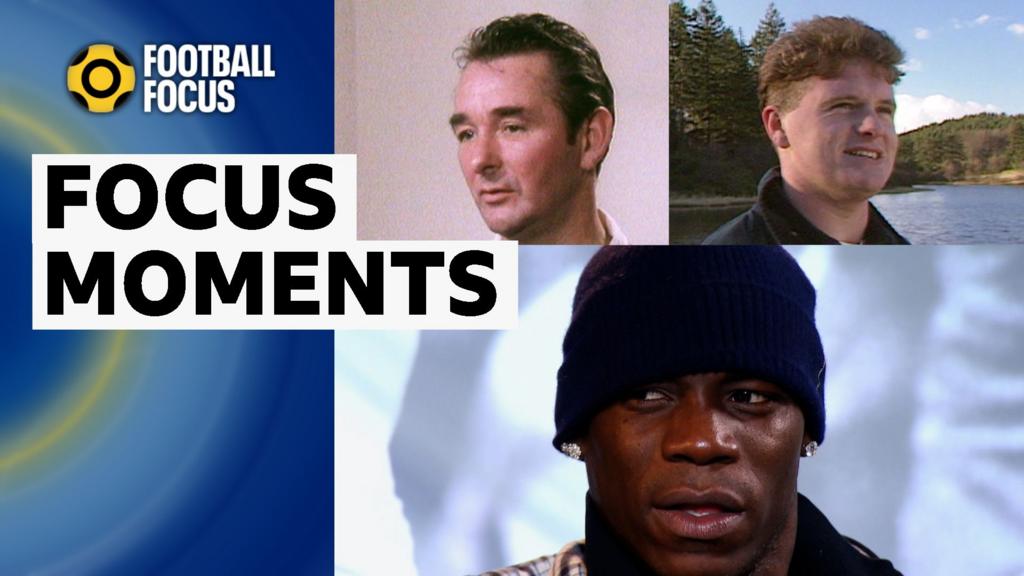
The BBC is killing its own legacy by chasing ghosts

The BBC has finally pulled the plug on a legend
Football Focus is coming off the air after 52 years. The BBC confirmed this past Thursday that the show will not return next season, marking the end of a core component of the weekend routine. For half a century, this slot served as the pre-match ritual for fans across the UK.
The network claims this is a necessary move, yet the decision stinks of panic. While viewing figures have plunged, the response from those who actually built the show’s legacy is biting. Bob Wilson, who served as the face of the program for two decades, slammed the choice as “crazy” in comments reported by The Guardian. Wilson understands that institutions aren't built in a day, yet the BBC seems more than happy to dismantle one because the numbers don't look like they did in 1995.
The myth of the Gen Z attention span
Management seems convinced that the audience is now a hive mind of hyperactive teenagers incapable of focusing for more than thirty seconds. This strategy to pivot toward high-octane, short-form glitz has failed to resonate. As Henry Clark noted in the Daily Mail, Gen Z isn't asking for a TikTok fever dream on linear television. We don't want the tripe being served up in these desperate attempts to remain relevant.
Instead of evolving the analysis, the show became mired in internal friction. The public spat between former hosts Dan Walker and Alex Scott, detailed by the Mirror, highlights a production team losing its grip on identity. When the talent is more focused on the brand’s baggage than the actual sport, the viewer exits. Compounding this, the show faced accusations of becoming “woke,” a label that signaled a total disconnect between the production office and the match-going base.
Is Match of the Day the next domino to fall?
Richard Keys has already predicted that the axe will swing toward Match of the Day next. While that sounds like hyperbole, it is a logical outcome for a broadcaster that has lost the ability to value its heritage. If the BBC treats a 52-year incumbent like a disposable asset, the flagship Saturday night highlights show is no longer safe.
The problem is that the BBC is competing for attention in a digital world by trying to out-clip the social media giants. It is a losing battle. You cannot win against algorithmic feed acceleration by putting a suit in a studio to talk about viral trends. The show lost the pulse of the terrace because it stopped caring about the actual game’s nuance.
The irony is that Alex Scott, even during the turmoil, remained a vital voice for the game itself. When not caught in the crossfire of the show’s decline, she provides genuine insight—such as her recent coverage of Arsenal’s season, as documented in FourFourTwo. Yet, talent alone cannot save a sinkhole of corporate mismanagement.
The BBC is retreating. By abandoning its core audience to chase a phantasm of youth engagement, they are burning their own house down. Saturday afternoons will feel different next year, and not in the way the executives in London imagine. They aren't saving the network; they are merely narrowing the scope of what it means to be a football fan in the UK.
More Coverage

Top 10: Defining Football Moments of the 2025-26 Season
an hour ago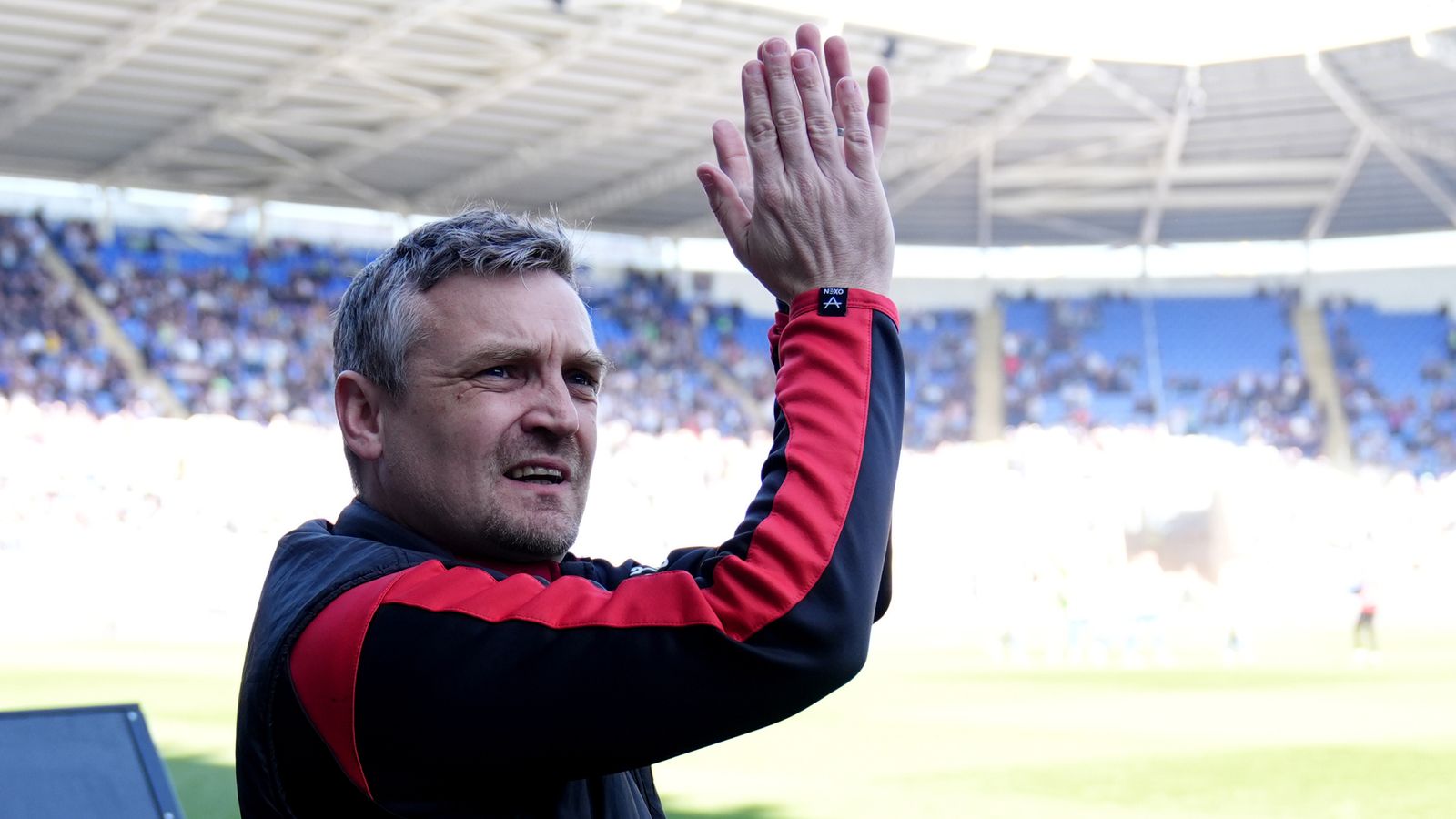
Top 10: The Defining Moments of the 2025/26 English Football Season
3 hours ago
The post-football career pivot is the smartest move a veteran can make
8 hours ago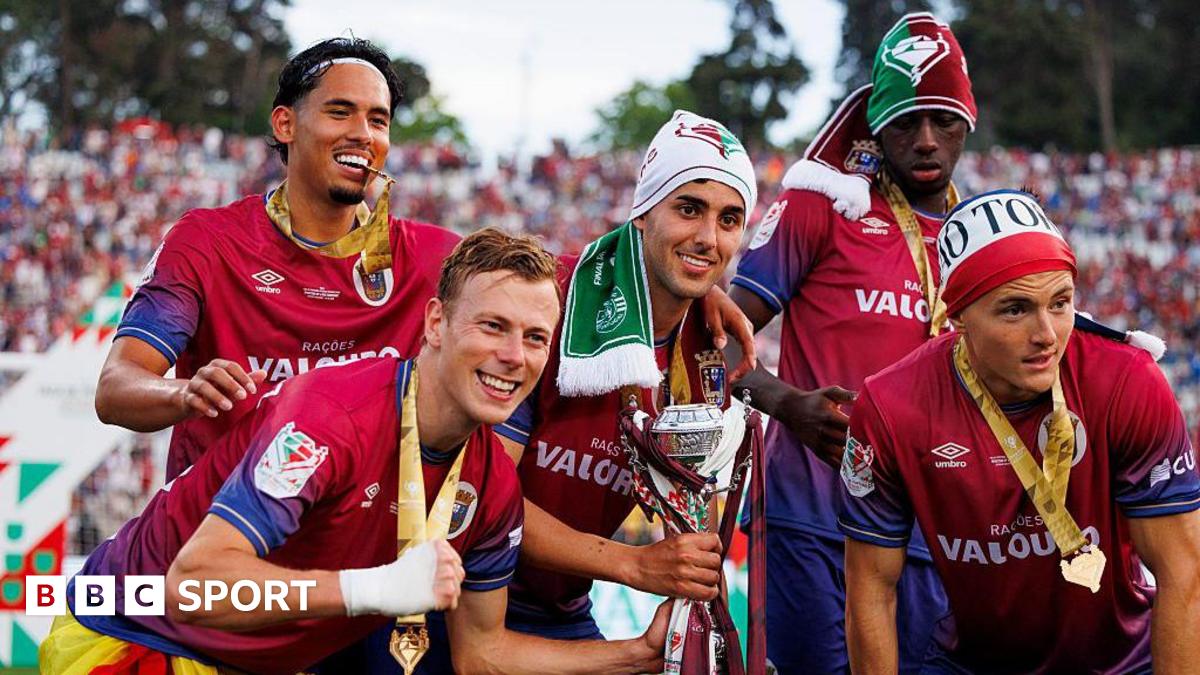
Top 10: The Most Audacious Moments in Modern Football
10 hours ago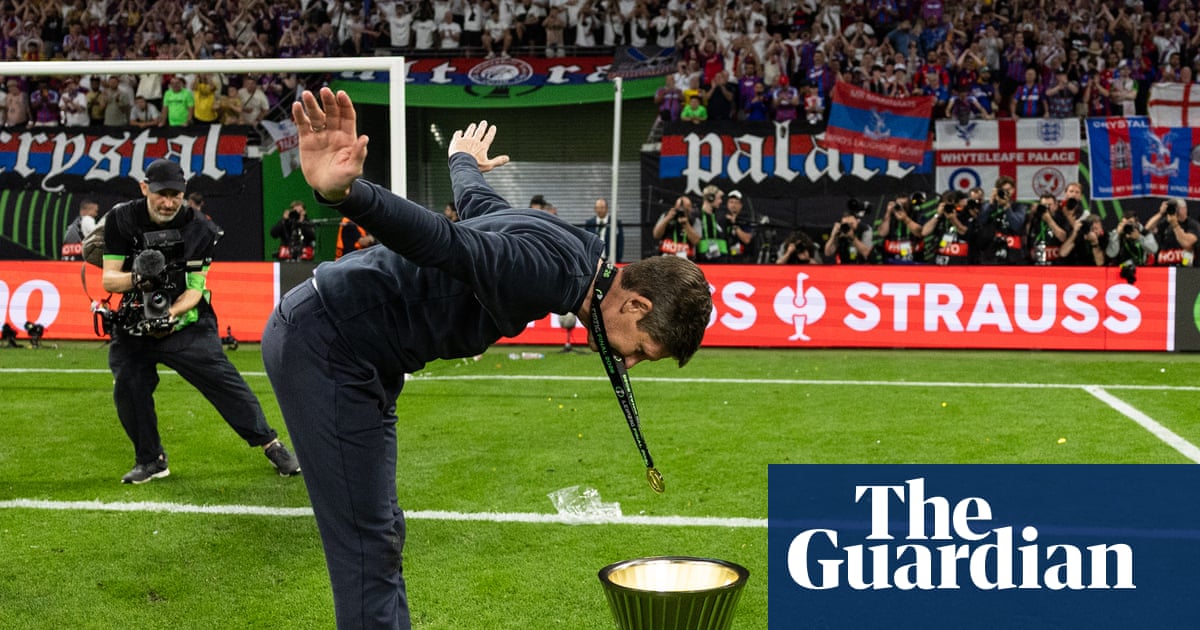
Crystal Palace's unlikely European title exposes the modern speed gap
11 hours ago
Bernardo Silva is effectively a cheat code on a free transfer
17 hours agoMore Analysis
Football Focus is dead because football media grew up
5 days, 7 hours ago
The BBC just nuked Football Focus and the internet is absolutely losing it
1 month ago
BBC axes Football Focus after 52-year run
1 month ago
The death of Football Focus means your Saturday ritual is gone forever
1 month agoWhy Football Focus finally ran out of time after 52 years
5 days, 8 hours ago