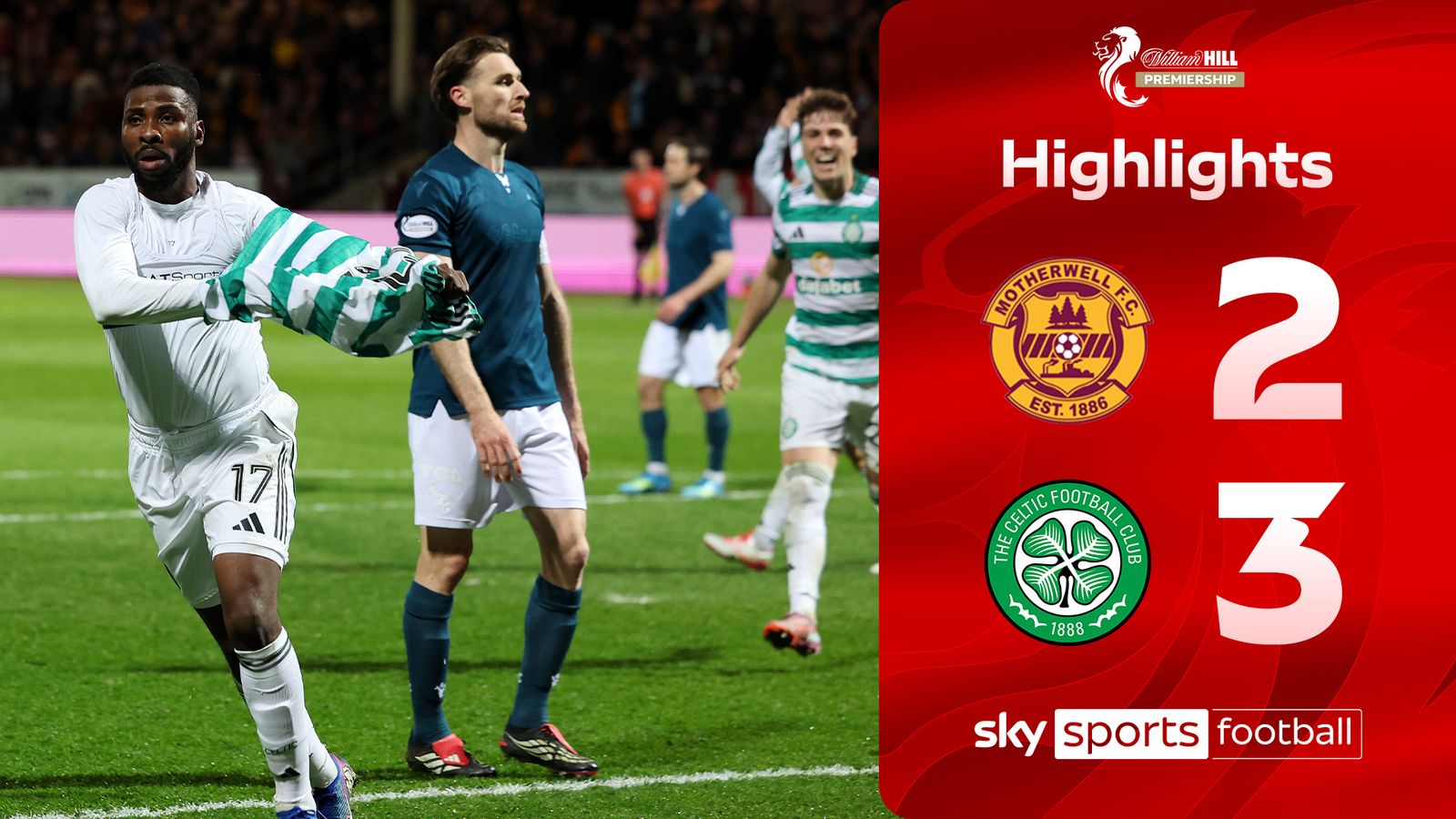
Scottish football does not do quiet weekends. It thrives on grievance, paranoia, and the endless dissection of refereeing decisions. But the late VAR penalty awarded to Celtic this weekend feels like a watershed moment. It wasn't just a controversial call. It was a complete failure of the technological safety net that was supposed to eradicate these exact arguments.
When the cross came into the box in the dying moments of the match, the initial reaction from the stands was muted. A tangled mess of zonal marking, a desperate clearance, and play transitions. The on-field official had a clear view and saw nothing actionable. Then came the dreaded pause. The finger to the earpiece. The slow jog to the monitor.
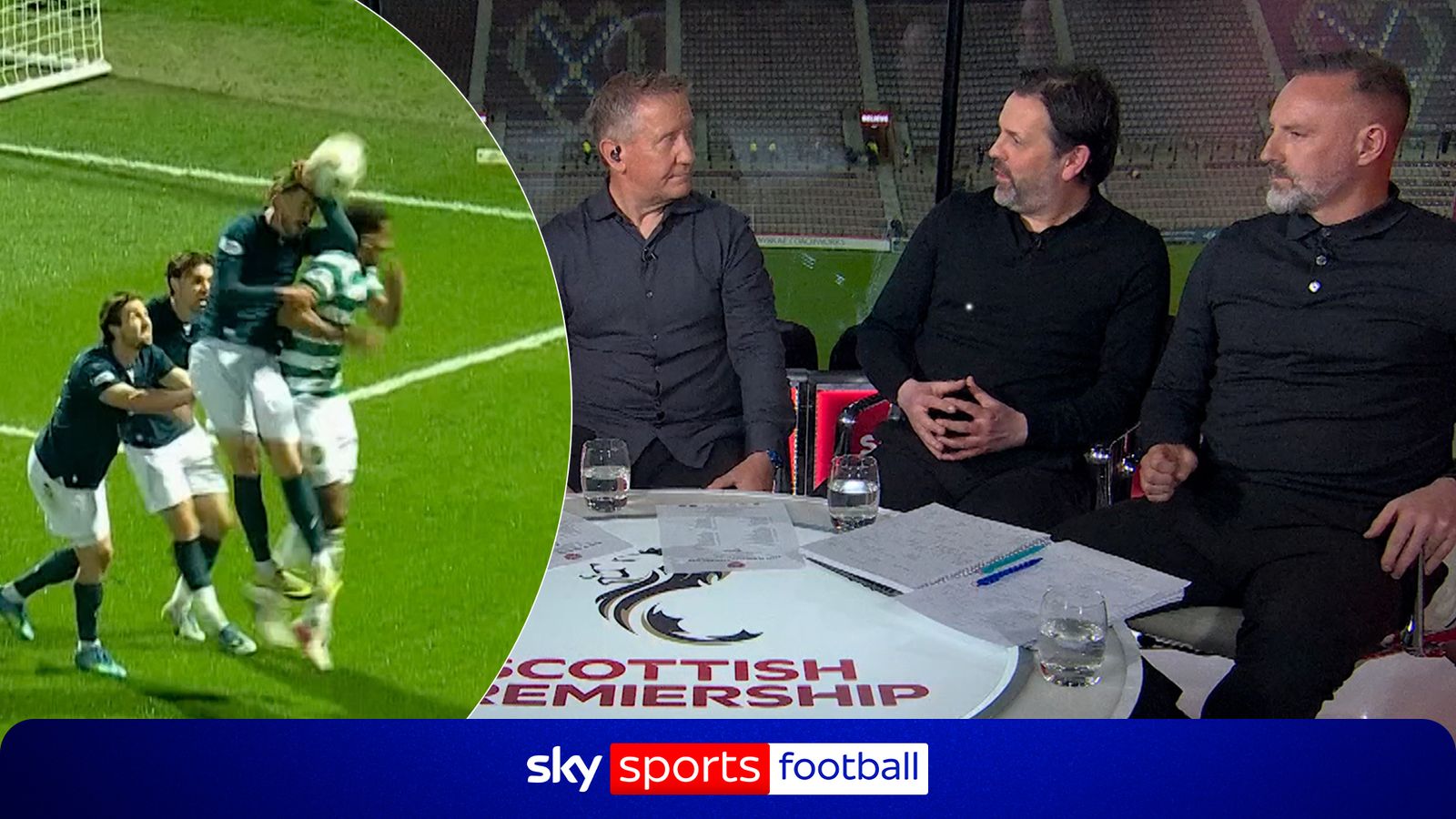
What followed in the Sky Sports studio was a microcosm of the national debate. Kris Boyd, never one to hide his allegiances or his emotions, was practically vibrating with indignation. His reaction wasn't just punditry. It was a visceral response to an image that seemed to contradict the fundamental laws of physics.
"It's not hit his hand, that's a header!"
Paul Hartley and Charlie Robertson tried to play the roles of measured analysts, squinting at grainy replays. But the more you watched the footage, the less sense it made. The ball clearly strikes the defender's forehead. It deflects upwards. The arm is raised, yes, but it is entirely incidental to the flight of the ball.
Yet, the penalty was given. Celtic converted. The points were secured. And the fallout began immediately.
The Anatomy of a Systemic Failure
To understand why this happened, you have to look past the tribalism and examine the mechanics of VAR in the Scottish Premiership. The system is operating on a shoestring budget compared to the Premier League. There are fewer cameras, lower frame rates, and worse angles.
When the VAR official in Clydesdale House isolated the frame, they found the one millisecond where the ball appeared to be touching the arm. They ignored the biomechanics of the jump and the trajectory of the ball post-contact. They presented a frozen, misleading image to the on-field referee.
This is the fatal flaw in how video review is implemented. It turns referees into forensic analysts looking for microscopic infractions, completely stripping away the context of the game. A football match is played in motion. Officiating it through still images is a recipe for disaster.
Let's talk about the defending that led to the incident. The cross was allowed to travel way too far. The full-back was caught completely out of position, forcing the center-half to frantically backpedal. This wasn't a masterclass in attacking play from Celtic. It was a hopeful ball lobbed into the mixer.
But that is the reality of the Scottish Premiership in May. Tactics often degrade into desperation. The fact that the defender managed to get his head to the ball while moving backward was actually a decent piece of defensive action. To penalize him for his arm position while contorting his body in mid-air shows a fundamental misunderstanding of biomechanics by the officials.
The Ripple Effect on the Title Race
We are in mid-May. The pressure is suffocating. Every dropped point is a disaster, every late winner a miracle. This single VAR decision is going to dictate the narrative for the rest of the season.
Celtic will take the points and ignore the noise. Brendan Rodgers knows how to manage a dressing room when the media is circling. He will turn the external outrage into internal fuel. The narrative that they are somehow being favored by officials will be twisted into a siege mentality.
Celtic's midfield control is just too dominant right now. Callum McGregor dictates the tempo with ruthless efficiency, helping the team average over 65% possession in their last five league outings. Even when they aren't creating clear-cut chances, they are suffocating the opposition, pinning them back, and forcing them to defend their six-yard box for terrifying stretches.
That sustained pressure creates the chaos that leads to late penalties. It isn't luck. It's the statistical probability of forcing your opponent into making a mistake under severe duress.
Rangers, on the other hand, are in danger of losing their focus. The sheer volume of complaints emanating from Ibrox about refereeing standards is becoming a distraction. Philippe Clement has built a robust, pragmatic side, but they look mentally fragile when decisions go against them.
Look at their recent away form. The midfield spacing has been disastrous. When they lose the ball in transition, the gap between the holding midfielders and the back four is massive—often stretching to 20 yards. Opponents are exploiting this zone relentlessly.
If Rangers are going to drop points, it will be because they get carved open through the middle while complaining to the referee about a foul in the build-up. You cannot win a title when your primary defensive strategy relies on the official bailing you out. When a defense is fixated on the referee, they lose their vertical compactness. The defensive line drops a yard deeper, inviting pressure rather than stepping up to trap the ball carrier.
A History of Avoidable Mistakes
We have been here before. Scottish football has a rich history of agonizing over refereeing technology. Remember the offside lines drawn from the wrong defender? Or the phantom handballs that cost teams European spots?
Every time a glaring error occurs, the authorities promise a review. They promise better training. They promise clearer communication. And yet, here we are again, arguing about a ball hitting a man's head.
My biggest criticism isn't even the mistake itself. Mistakes happen. Human error is part of sport. My issue is the complete lack of transparency that follows. The refusal to release the audio between the VAR and the referee breeds conspiracy theories.
If the officials genuinely believed it was a handball, let us hear the process that led them to that staggering conclusion. Hiding behind protocols only damages the brand of the league further.
The Final Verdict
Here is exactly how this plays out. The SFA will issue a mealy-mouthed statement backing the referee's interpretation of an unnatural silhouette. They will refuse to release the audio. The controversy will dominate the back pages for a week, and then another grievance will replace it.
But the damage on the pitch is already done. Celtic have the momentum. That late penalty didn't just give them three points; it broke the psychological resolve of the chasing pack.
I predict Celtic will wrap up the league title with a game to spare. They will go away to a tough venue — likely Tynecastle or Pittodrie — and grind out a clinical 1-0 win. They won't need a late penalty next time. They will just suffocate the game.
Rangers will drop points on the road. The frustration over the Celtic VAR call will linger, leading to a frantic, disjointed performance where they concede on the counter-attack. The title race is effectively over, decided not by a moment of brilliance, but by a catastrophic misinterpretation of a header in a cramped penalty area.
Football is a game of fine margins. Sometimes those margins are decided by a striker's finishing. Sometimes they are decided by a goalkeeper's reflexes. And sometimes, they are decided by a VAR official looking at a screen in Glasgow, mistaking a head for a hand, and altering the course of an entire season.
Read Next
- A 99th-minute penalty just turned the Scottish title race into a total circus
- Celtic's VAR escape against Motherwell papers over real tactical cracks
- Celtic's Last-Gasp Penalty: Pure Drama, or Pure Robbery?
- Derek McInnes is right to be fuming after that Celtic VAR gift
- ⚽ Scottish Premiership 2025-26 — Celtic vs Rangers Hub