The People's Game? Not for Your Wallet.
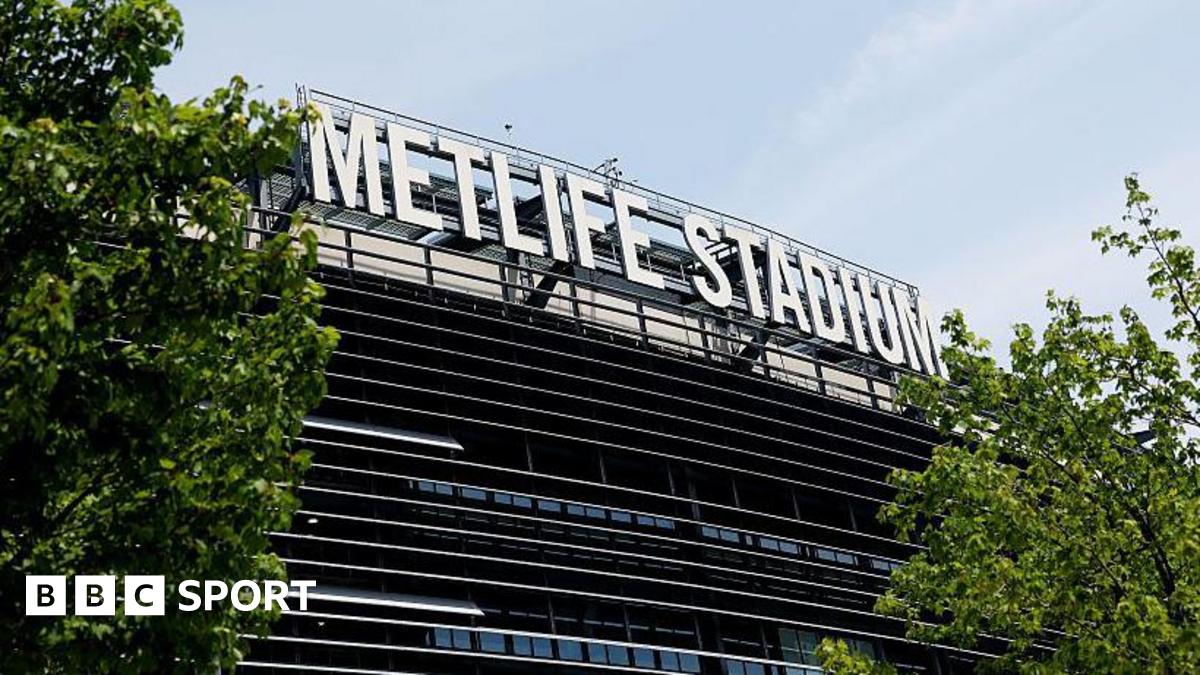
In an age where seeing your favorite club live feels like securing a second mortgage, a beacon of sanity has emerged from the chaotic, profit-driven abyss that is modern football. News broke this week that a World Cup 2026 venue owner has bucked the trend, declaring they will not gouge fans with inflated ticket prices. My initial reaction? Pure, unadulterated shock, followed by a cynical laugh, and then a tiny, almost imperceptible glimmer of hope. It’s like finding a pristine, untouched tenner in your old jeans – rare, delightful, and immediately makes you wonder where all the other fivers went.
This isn't just a nice gesture; it’s a seismic event in the gilded cage of elite football. For years, we’ve watched helplessly as the price of admission to the beautiful game soared higher than a prime Cristiano Ronaldo header. Stadiums, once bustling hubs for every stripe of society, have slowly but surely transformed into exclusive playgrounds for the affluent. This singular act of defiance against the tidal wave of corporate avarice isn't just about one stadium; it’s a stark, undeniable spotlight on every other greedy hand that dips into the working-class fan's pocket.
A Stand Against the Status Quo
Let's be brutally honest: this is an anomaly. A beautiful, glorious anomaly, but an anomaly nonetheless. While fans worldwide are bracing for World Cup 2026 prices that could easily rival a month's rent in some cities, this one owner has said, “Enough is enough.” They’ve chosen principle over profit, community over cash cows. It's a move that should be applauded, celebrated, and held up as an example of what football *should* be, rather than what it has become.
But here’s the kicker, and this is where my optimism hits a brick wall faster than a VAR decision goes against Arsenal: while we praise this individual, let’s not forget the bigger picture. This noble stand doesn't magically fix the entire system. It doesn’t bring down the cost of a UCL Final ticket, which, let’s be real, often feels like a lottery win followed by a financial audit. It doesn't make Premier League season passes affordable for families who’ve supported their clubs for generations, now pushed to the fringes by global corporate hospitality.
The Price of Passion: A Modern Tragedy
The beautiful game, as it’s so often called, is rapidly becoming the exclusively beautiful game for those with bottomless wallets. The average fan, the lifeblood of the sport, is being systematically priced out. We see it everywhere: the ridiculous cost of a pint inside the stadium, the branded scarves that cost more than a decent meal, and of course, the ever-escalating ticket prices that force genuine supporters to choose between watching their heroes and paying their bills.
I remember a time, not so long ago, when football was genuinely accessible. My old man used to tell stories of standing on the terraces for pennies, rubbing shoulders with factory workers and local legends. That raw, democratic spirit fuelled the atmosphere, created the legends, and shaped the culture. Now? It’s all sanitized, commodified, and designed for maximum extraction. The vibrant chants are slowly being replaced by corporate chatter, and the passionate roar of the crowd is diluted by the polite applause of tourists more interested in their selfies than the offside trap.
When Money Talks, Fans Walk
The FIFA World Cup, the pinnacle of international football, has always been an opportunity for host nations to showcase their culture and for fans globally to unite. But increasingly, it’s also been an opportunity for organizers to line their pockets. Every four years, we hear the same laments about ticket availability, travel costs, and the sheer financial burden of attending. The 2026 tournament across North America – USA, Canada, Mexico – is set to be the biggest yet, with more teams and more games. And historically, more games mean more chances for price hikes.
So, when one venue owner steps up and says “no” to this established playbook, it’s not just an act of generosity; it’s a quiet indictment of everyone else. It’s a moment that forces us to ask: if *they* can do it, why can’t everyone else? Is it truly impossible for other stadium owners, for FIFA itself, to prioritize fan accessibility over an extra few million in revenue? Or is it simply that they don't *want* to?
A Fleeting Glimpse of Sanity
This single act, while commendable, is a stark reminder of the cynical calculations that underpin so much of modern football. It exposes the fallacy that high prices are an unavoidable aspect of staging world-class events. It proves that there *is* a choice, and that choice has, for too long, been made against the fans. It's easy to get swept up in the romantic notion of the World Cup, the global spectacle, the unifying power of sport. But beneath the surface, the relentless pursuit of profit often leaves a bitter taste in the mouths of those who love the game most.
Remember the fanfare around the expansion of the World Cup to 48 teams for 2026? More football, more nations, more inclusivity! Sounds great on paper, doesn't it? But scratch beneath the surface, and the cynical among us (read: anyone who's paid for a match ticket in the last decade) immediately thought: “More games, more tickets, more revenue opportunities.” It's rarely about genuinely growing the game for the everyday supporter; it's about growing the balance sheets of the federations and corporations involved.
What We Learn (and Probably Forget)
The hope is that this brave stance by one venue owner creates a ripple effect. That it pressures other organizers to reconsider their rapacious pricing strategies. That it ignites a conversation beyond the usual hand-wringing and into concrete action. But realistically, the machine of modern football is a well-oiled, money-making behemoth, and one heroic act, however significant, might just be a blip on its profit-driven radar.
This is football’s eternal dilemma: the struggle between its working-class roots and its billionaire present. We cheer for the underdog on the pitch, but off it, the underdog is usually the fan trying to afford a match ticket. So, let’s raise a glass to this sensible stadium owner. They've shown a flicker of what’s possible, a brief moment where the people’s game actually felt like it cared about the people. Now, if only the rest of the football world would follow suit, before the only people left in the stands are those who arrive in chauffeur-driven cars.
The truth is, this World Cup venue owner isn't just saving fans a few quid; they're shining a floodlight on the entire, increasingly unaffordable, football experience. And for that, they deserve more than just a polite nod. They deserve the kind of passionate, roaring ovation that money can't buy, and that sadly, is becoming rarer and rarer in our modern stadiums.