Some Heroes Wear Suits, Not Capes
Let’s be honest, you don’t typically look to a New York state assemblyman to be the hero football needs. But here we are. In a world where FIFA operates with the subtlety of a Godzilla movie, a politician from Queens named Zohran Mamdani just threw a wrench in the gears of the great green money-printing machine. He reportedly secured tickets for New Yorkers for the 2026 World Cup. The price? $50. Fifty. American. Dollars.
Say it out loud. It feels like a number from a different era, doesn’t it? Like hearing you could once buy a house for the price of a used car. While Gianni Infantino is probably drawing up plans for diamond-encrusted goalposts, this guy is out here fighting for the little guy. And in doing so, he’s accidentally exposed the disgusting, blatant greed that has come to define the modern World Cup.
The Price of a Dream
FIFA hasn't officially released the full price list for the 2026 tournament yet, but we don't need a crystal ball. We have the receipts from Qatar 2022, and they are terrifying. The average ticket for the final was over $1,000. The absolute best seats, the ones not already block-booked for corporate cronies and FIFA delegates, were a staggering $1,607. That was a 46% jump from the final in Russia just four years earlier.
Let that sink in. A nearly 50% price hike in a single tournament cycle. This isn't inflation; this is extortion disguised as sport. The cheapest ticket for a regular group stage match available to an international fan in Qatar was $69. Not for England vs. France. For, like, Tunisia vs. Australia. And that was considered a bargain.
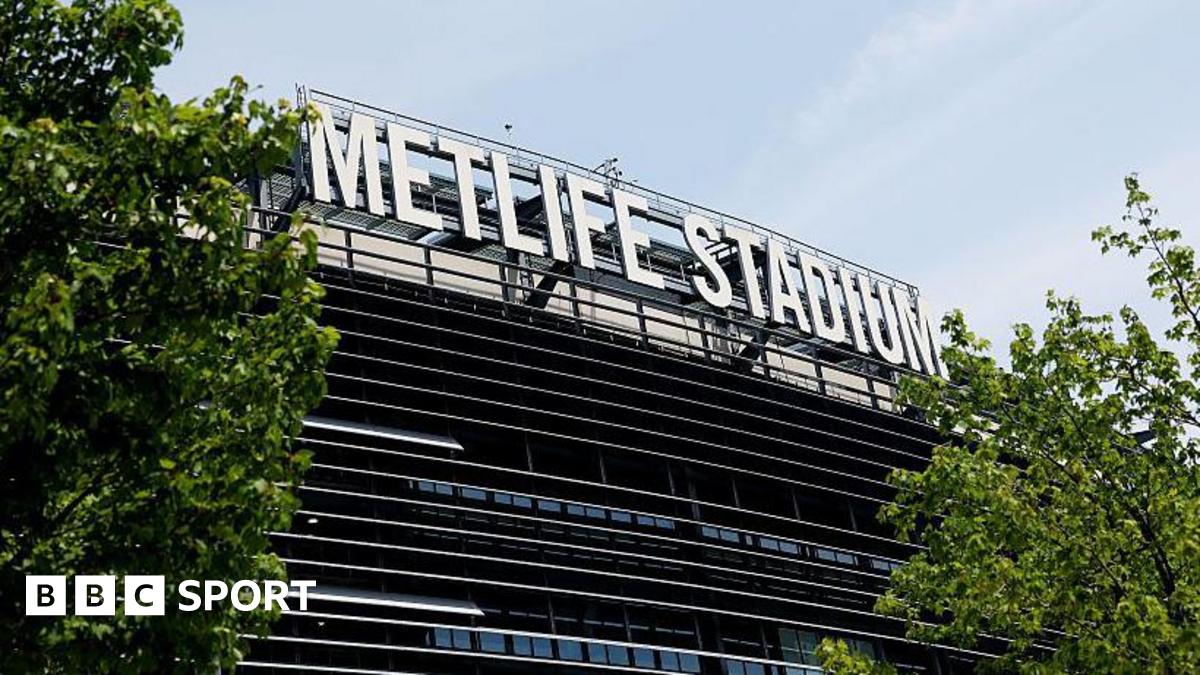
Now, transport that logic to North America in 2026. The final is at MetLife Stadium, home of the New York Giants and Jets, where a regular season NFL game can already set you back hundreds. Do we really think FIFA is going to show restraint? It’s like asking a shark to try vegetarianism. They’ve already expanded the tournament to 48 teams, adding more games to sell, more broadcast slots to fill, more sponsorship opportunities to cash in on. The goal isn't to grow the game; it's to grow the bank account.
A Beautiful Gesture, But a Depressing Reality
This is why Mamdani's $50 ticket deal feels like both a triumph and a tragedy. It’s a beautiful, wonderful thing for the handful of New Yorkers who will win a lottery and get to see a World Cup match for the price of a couple of beers. But it’s a drop in an ocean of corporate avarice. It's a single lifeboat next to the Titanic.
The very fact that a local politician has to intervene to make the World Cup accessible to the people of his city tells you everything you need to know. The tournament is supposed to be a global festival, a coming-together of nations. Instead, it’s become a luxury good, an exclusive event for the wealthy and the well-connected. The working-class fans, the ones who create the atmosphere and bring the soul to the stadiums, are being systematically priced out.
It reminds me of the Super League fiasco. The owners of Europe’s biggest clubs tried to create a closed shop, a private playground where they never had to worry about relegation or earning their spot. The fans, in a rare moment of unified fury, revolted and killed it. But the sentiment behind it never died. FIFA is just executing a slower, more insidious version of the same plan. They're not walling off the competition, just the stadiums.
Who Is This Tournament Even For?
As we get closer to 2026, you have to ask yourself: who is this World Cup really for? Is it for the kid in Mexico City who idolizes Hirving Lozano? Is it for the family in Vancouver that wants to see Alphonso Davies on the world's biggest stage? Or is it for the hedge fund manager in a New York skyscraper who sees it as a networking opportunity?
FIFA will talk a big game about legacy, about inspiration, about the magic of the cup. But their actions speak louder than their marketing slogans. When the cheapest tickets are still out of reach for an average family, the legacy you're building is one of exclusion. The message you're sending is that this game, our game, doesn't belong to you anymore.
So, bravo to Zohran Mamdani. He fired a small but significant shot in a war for the soul of football. But one small victory doesn't stop the machine. Unless something fundamentally changes, the 2026 World Cup is shaping up to be the greatest, most expensive party that most of us will only be able to watch from the outside.
Read Next