The Myth of Laziness
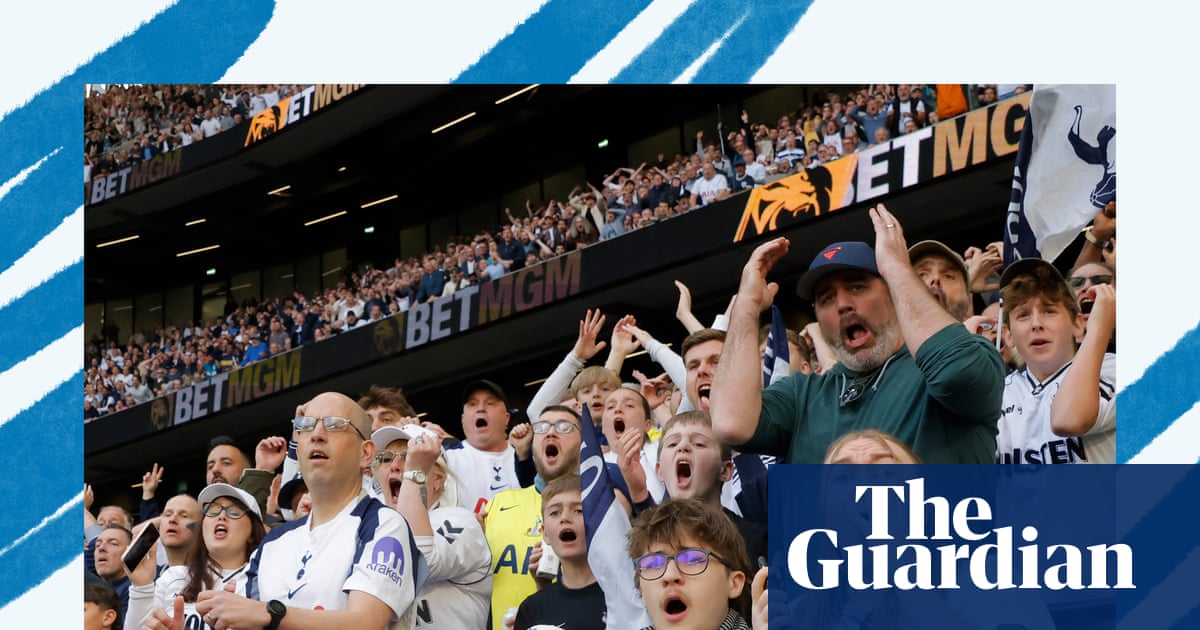
If there is one thing English football fans worship above all else, it is a player who runs around like a headless chicken. We love a meaningless tackle near the corner flag. We love a pointless, breathless sprint to close down a goalkeeper who already has the ball securely in his hands.
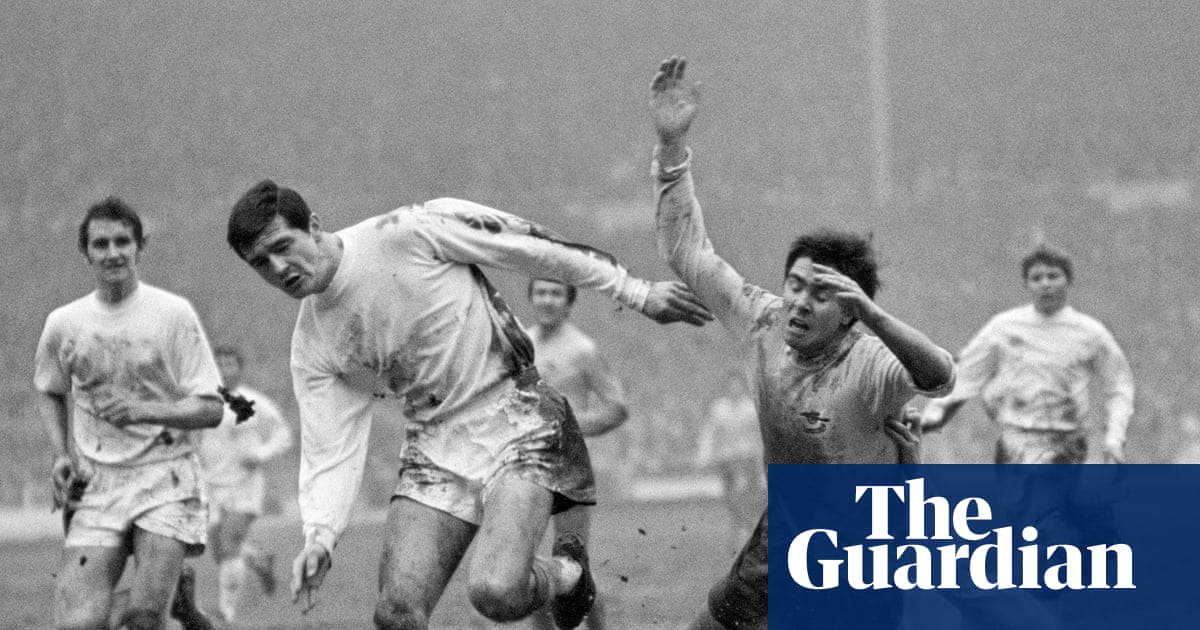
It is baked deeply into the DNA of the sport in this country. The Guardian's Jonathan Wilson recently pointed out that this obsession with honest endeavour is a direct consequence of the league’s origins in the industrial cities of the north and Midlands. We expect our players to put in a shift.
But if you have subjected yourself to watching any top-tier football over the last few weeks, you might have noticed something deeply disturbing happening on the pitch.
Nobody is sprinting anymore. The games are getting noticeably slower, the touches are getting heavier, and by the 65th minute, half the players on the pitch look like they are wading through wet cement. Naturally, the immediate reaction from the stands, the pub, and the talk radio phone-ins is to call them lazy.
The standard complaint is that they make too much money, they do not care about the shirt, and they are just coasting until the final whistle.
But as Wilson noted in The Guardian this weekend, that narrative is a complete lie. The players are not lazy. They are simply adapting to the demands of an absolutely psychotic schedule.
They are conserving energy because if they do not, their hamstrings will snap like cheap rubber bands. The modern football calendar is not designed for human beings.
The lack of distance covered is not a lack of effort, it is a basic survival mechanism deployed by bodies that are screaming for a rest.
Players are not covering the distances of old – they are not being lazy but adapting to demands of an arduous campaign.
When you actually watch these matches, the fatigue is obvious. You see world-class wingers dragging their feet on the counter-attack. You see midfielders failing to track runners because their legs simply refuse to fire.
It is not a lack of passion. It is physiological bankruptcy.
The Touchline Fashion Show
While the actual athletes are out there fighting for their physical lives, the media narrative around the sport is getting incredibly weird and disconnected from reality. Case in point: The Daily Mail just ran a massive feature ranking all twenty Premier League managers by their fashion sense. Yes, really.
While the players are dropping dead from exhaustion, we are getting deep dives into touchline couture.
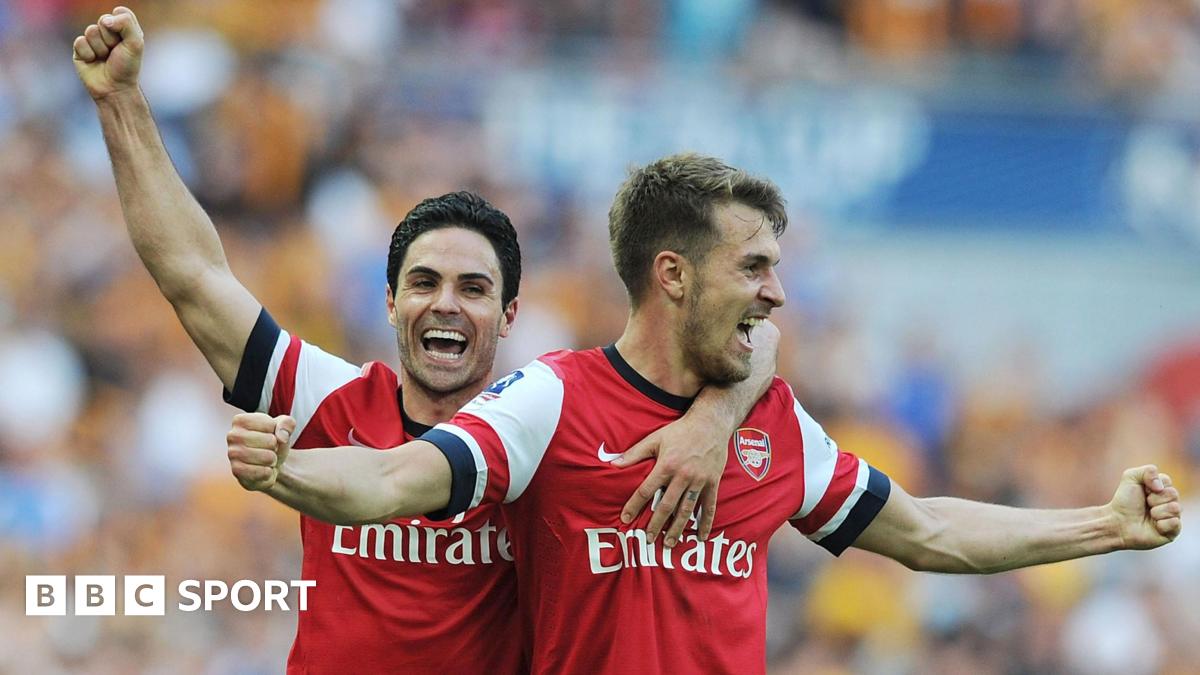
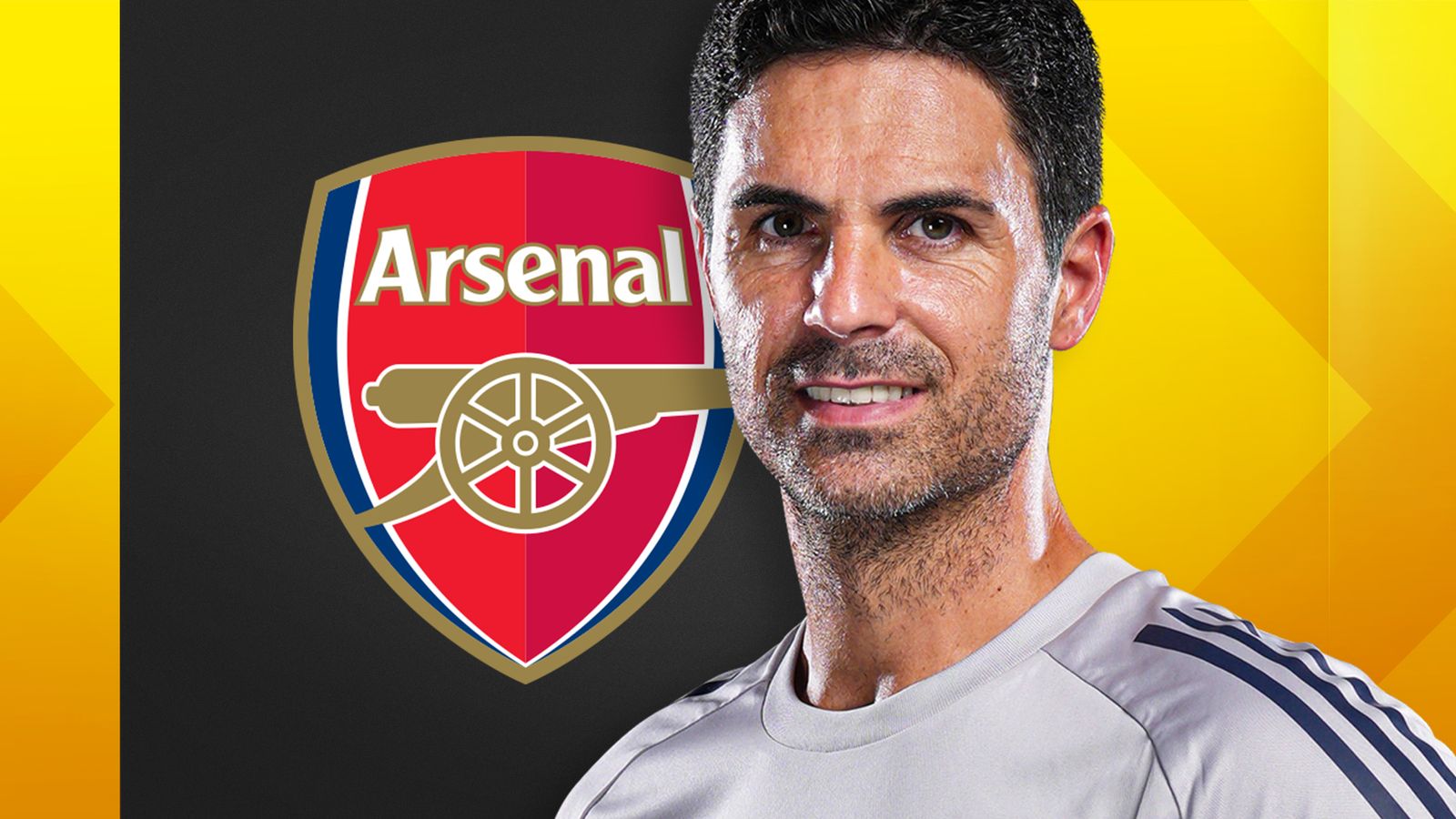
The piece highlights Pep Guardiola's immaculate polo necks and Mikel Arteta pacing his technical area in custom Armani. It is a completely absurd contrast.
You have players dragging their lifeless bodies back into a defensive shape, absolutely drenched in sweat and nursing micro-tears in every muscle. Meanwhile, their boss stands a few yards away looking like he just stepped out of a GQ photoshoot.
We have moved so far away from the days of managers looking like regular people. Give me Sam Allardyce in a club tracksuit, or Tony Pulis in his baseball cap and white trainers. At least they looked like they were ready to do some work.
Now, a football manager's sense of style is supposed to convey power and create a distinctive image, according to the fashion experts. But what power does a slim-fit turtleneck actually project when your entire midfield has run out of gas before halftime?
It feels like a massive distraction from the crumbling state of the game. The product on the pitch is suffering because everyone is physically broken, so the media decides to focus on the manager's tailoring instead.
I would much rather have a manager in a crumpled jacket whose team actually has the energy to press the opposition. That is infinitely better than a tactical genius in Armani watching a squad of zombies pass the ball sideways.
Reality on Wetherby Road
If you want a true reality check, you have to look away from the Premier League catwalk and look down the pyramid. Way down. Take a trip to Wetherby Road in Yorkshire.
According to The Guardian's recent report, Harrogate Town are currently fighting a desperate, grueling battle to preserve their hard-earned Football League status.
This is a club playing in the literal shadows of semi-detached houses and three-storey blocks of flats. The Guardian notes that walking up the street, it is hard to believe there is a Football League ground lurking around the corner.
They are the lowest scorers in League Two, and they just found Notts County way too strong for them. They are scraping the bottom of the barrel, fighting for every single point just to avoid dropping out of the professional ranks entirely.
There is no Armani down here. There are no bespoke polo necks or debates about the nuances of touchline fashion. There is just sheer desperation.
These clubs punch above their weight just to exist in the fourth tier. The contrast between this environment and the top flight is incredibly jarring.
You have Premier League clubs with infinite resources complaining about their heavy schedule—and rightfully so. Meanwhile, clubs like Harrogate are just trying to keep the lights on and avoid slipping back into non-league obscurity.
It makes the complaints of the elite seem a little tone-deaf, even if the players genuinely are being run into the ground. When your entire club's existence relies on scraping an ugly draw on a freezing Tuesday night, the complaints of a Champions League club sound completely out of touch.
The Approaching Meat Grinder
The truly terrifying part is that the worst is yet to come. Today is March 28. Take a hard look at the calendar and what is waiting for these exhausted top-tier players over the next few months.
We have the Champions League Quarter-Finals kicking off on April 7. Then the return legs on April 14. Then the Semi-Finals starting on April 28.
The machine never stops. The domestic leagues will grind to their bitter conclusions, the FA Cup Final is set for May 16 at Wembley, and the UCL Final is locked in for May 28.
You would logically think the players might finally get a rest after that, right? You would be dead wrong.
On June 11, the absurdly expanded, 48-team FIFA World Cup kicks off across the United States, Canada, and Mexico. Players who have already played sixty or seventy matches for their clubs will be flown across the Atlantic.
They will be dragged through multiple time zones and forced to play in brutal summer heat. It is an absolute recipe for disaster.
We are going to see massive injuries. We are going to see terrible, slow football on the biggest stage in the world.
You simply cannot squeeze blood from a stone, and you cannot demand high-intensity, entertaining football from a player who has not had a proper vacation in three years. The authorities have built a commercial machine that actively destroys the very athletes it relies on to generate revenue.
Something eventually has to give. The governing bodies are horribly addicted to television money, and the only way to get more television money is to invent more matches.
But the human body has hard limits. The lack of distance covered is not a character flaw, it is a biological reality.
We need to stop getting mad at the players for pacing themselves. If you want to be angry at someone, point your anger at the executives in Switzerland who keep expanding these tournaments.
Point it at the club owners who think a commercial summer tour of Asia is a brilliant idea right before a grueling season.
Until the calendar is fundamentally fixed and players are given actual time to recover, this is exactly what football is going to be. Slow, tired, and completely lacking in spark.
But hey, at least the managers will look incredibly stylish while they watch their million-dollar squads completely fall apart.
Read Next
- Top 10: Top Moments of the Season
- Man-management, toxic legacies, and Liverpool's brutal April gauntlet
- Manchester City are staring at a total identity crisis before the UCL quarters
- The hidden injury risk when drones stop football matches
- ⚽ EFL League Two 2025-26 — Promotion Race & Play-Off Final Hub
- ⭐ UCL 2026 — Champions League Quarter-Finals Hub