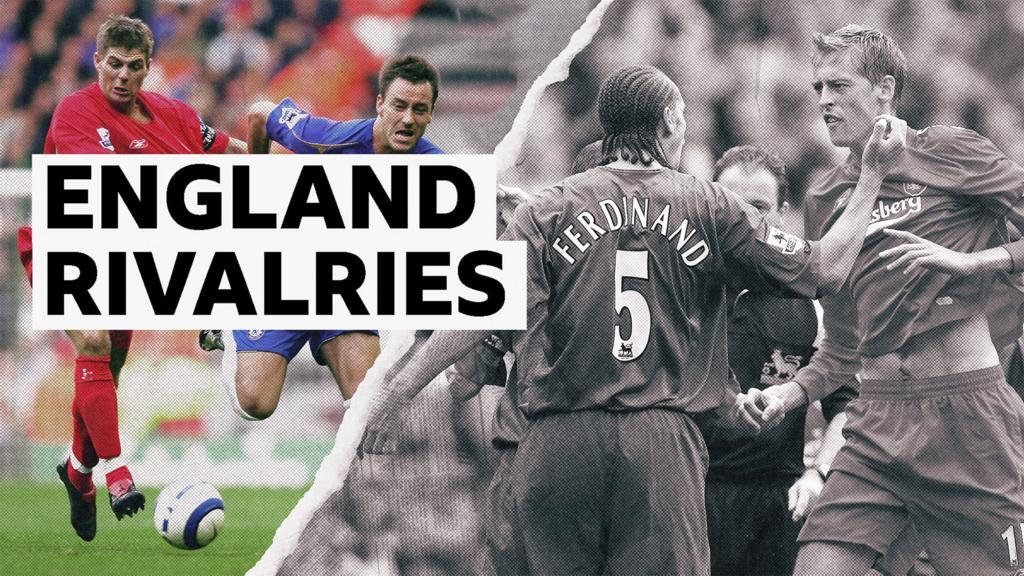
The friction between England's elite
International football rooms are rarely the cozy book clubs media departments want us to believe. We just got a window into the cold war between former England teammates and Alan Shearer, proving that even the most celebrated squads were held together by professional spite rather than group hugs.
The central grievance here isn't just a clash of egos. It's a clash of footballing philosophies. When you have two strikers competing for the same spot in the XI, the relationship shifts from teammates to direct obstacles in a career progression path.
The obsession with superiority
The sentiment expressed was simple: the competitive drive to be the better player took precedence over any desire for camaraderie. This specific brand of rivalry is what drove the output of 90s strikers, even if it meant the dressing room felt like a polite holding cell.
Some might call this toxic. Others would argue it fueled the high-scoring output that eventually defined their careers. But let's be honest, watching two premier attackers glare at each other during training drills is not exactly standard team-building material.
As the Mirror reported, this friction was deliberate. It wasn't an accident of proximity; it was a targeted effort to outpace one of the most prolific strikers in league history. If your motivation relies on proving someone else is inferior, you aren't just playing for the badge. You're playing to win an argument.
Missing the point of the team
Here is the flaw in the logic: international tournaments are short, brutal, and require unit cohesion. Spending energy trying to 'beat' a teammate in training drills instead of building a rapport for the 28 days of a major tournament is a tactical drain.
We saw this failure play out in multiple international cycles during that era. While the individual stats looked shiny on the back of a trading card, the tournament output was consistently lackluster. You can't rely on two guys who view each other as professional rivals to seamlessly link up in the 88th minute of a knockout tie.
The era wasn't just defined by talent. It was defined by players who treated the training pitch like a Roman arena. It made for great headlines in the tabloids, sure, but it rarely translated into hardware or deep runs when the pressure hit.
Watching this history surface serves as a reminder of how much football culture has evolved toward data-driven, tactical collaboration today. We don't get the 'me vs. you' narrative as often in modern setups because analysts force players to realize their individual output drops when they aren't functioning as a unit.
But looking back? It's just a funny, petty look at two blokes who were so good they couldn't stand being in the same room. It is quite a contrast to the high-fiving era of the current England setup. Maybe we lost some of the edge, but we definitely gained a few more clean sheets.