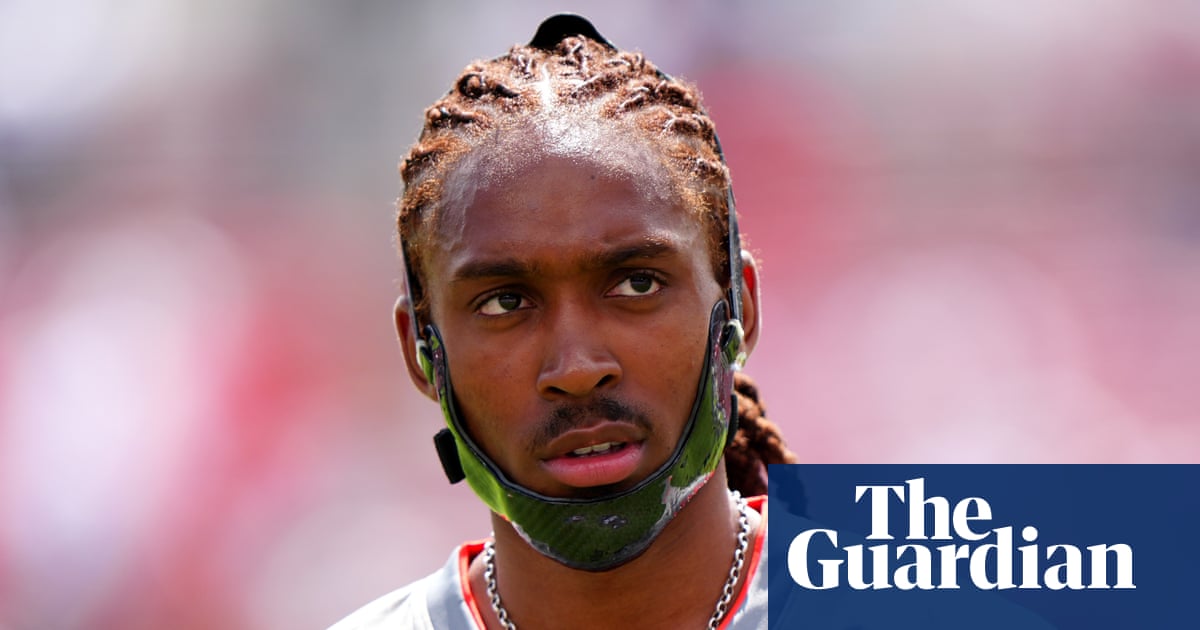
Neymar injury status update
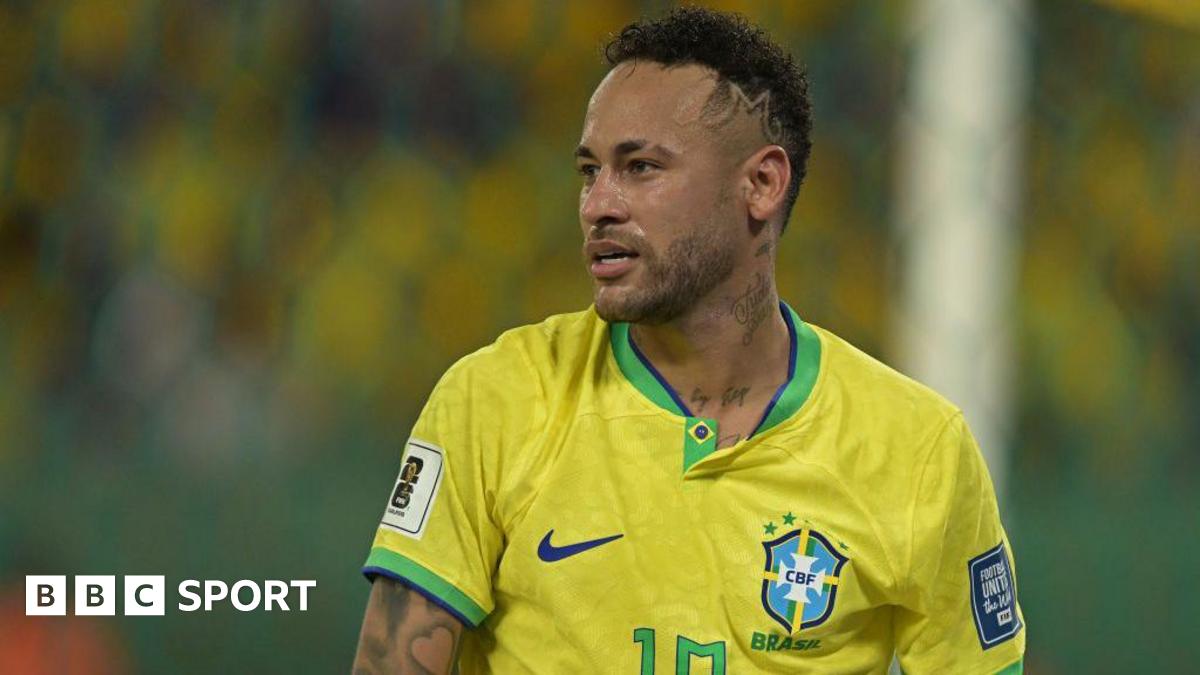
As the FIFA World Cup 2026 prepares to kickoff on June 11, Brazil’s medical staff is navigating the final stages of Neymar’s recovery. The superstar forward is officially listed as recovering, though active participation remains the internal focus for the training camp. Information remains shielded as Brazil officials manage high-stakes expectations ahead of their group stage matches.
Reports from the ground indicate the player is progressing through his rehabilitation protocols in North America. Medical staff are reportedly avoiding a definitive participation window for the opening match to minimize external pressure. While the recovery process is tracking positively, there is no official confirmation regarding his status for the initial fixture.
Broader industry impact and tournament logistics
Tournament organizers are grappling with a series of logistical and political hurdles that have threatened to pull focus from the matches themselves. The withdrawal of ticket allocations for Iranian fans just days before the event has sparked significant scrutiny. As recently reported, this decision adds to the growing complexity of fan access and venue security across the host nations.
Entry complications are also impacting tournament personnel directly. The exclusion of Somalia referee Omar Artan, widely considered the premier official in Africa, has created a PR crisis for FIFA. After being denied entry by American authorities despite possessing a seemingly valid visa, former PGMOL chief Keith Hackett has publicly demanded that FIFA offer financial compensation. The backlash is intensifying, with some commentators characterizing the incident as a failure of institutional planning.
Host country management risks
The operational scope of an expanded 104-match tournament has exposed significant administrative strain. With the opening ceremony looming, reports of boycott threats and potential empty seats are circling online. Concerns regarding empty stands at the Azteca Stadium complicate the festive narrative FIFA aimed to establish. These developments suggest a, perhaps, overly ambitious schedule that risks stretching the host nation's resources beyond their functional limits.
Historical context and strategic implications
Hosting a tournament of this magnitude in North America has always carried the risk of bureaucratic friction. The current situation—marked by entry denials and immigration-related complications—mirrors the growing tension inherent in international events hosted within tighter national security frameworks. For reference, previous editions held in more centralized geographical zones did not face the same degree of logistical gridlock now being reported in US transit and border zones.
Tactically, teams are forced to adapt to a high-pressure environment that reaches far beyond the pitch. With nations like England incorporating unconventional support roles, such as the reported work involving Phil Neville, squads are clearly looking for any edge in navigating these distractions. The focus is shifting from simple tactical preparation to managing the external pressures of a notoriously fragmented staging process.
Critical observations on tournament roll-out
The current state of affairs reflects poorly on the long-term planning for this tournament. Allowing a top-tier referee to be benched due to visa issues, while simultaneously mismanaging ticket allocations for entire national fanbases, suggests a failure in the pre-tournament vetting phase. Every match played under these conditions will likely be scrutinized for further logistical fallout. If the intent was to unify the world through sport, current management has left too many open doors for chaotic administration.
As we approach the June 11 start date, the sport risks taking a backseat to these administrative lapses. Whether the intensity of the matches can salvage the public image of this tournament is an open question, but the early signs suggest more friction is ahead. Success now depends on whether host authorities can stabilize the off-pitch environment before the ball starts rolling.
Read Next
- The 48-nation logistical grind: Gus Hully's liquid World Cup haul
- England entering World Cup with a target on their back
- Scotland’s path to World Cup glory runs right through North Carolina
- Bureaucratic incompetence threatens the 2026 World Cup integrity
- 🏆 World Cup 2026 — Full Coverage Hub
- 🇧🇷 Brazil World Cup 2026 — A Seleção Hub