The statistical mirage of the Alonso effect
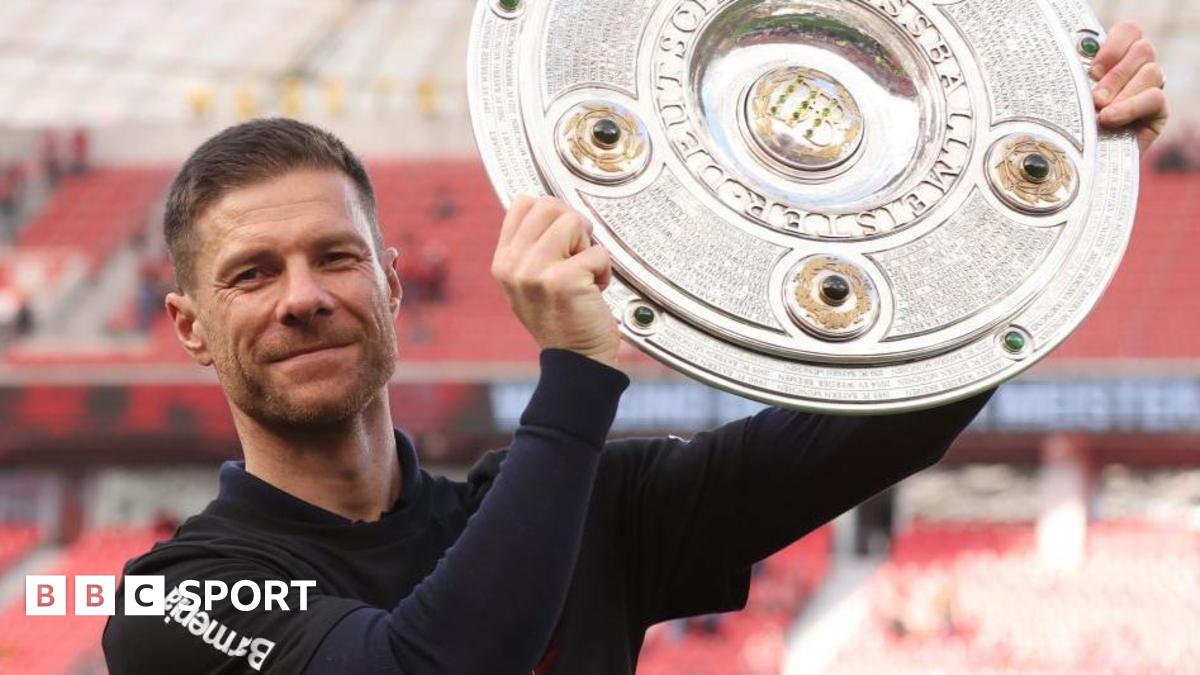
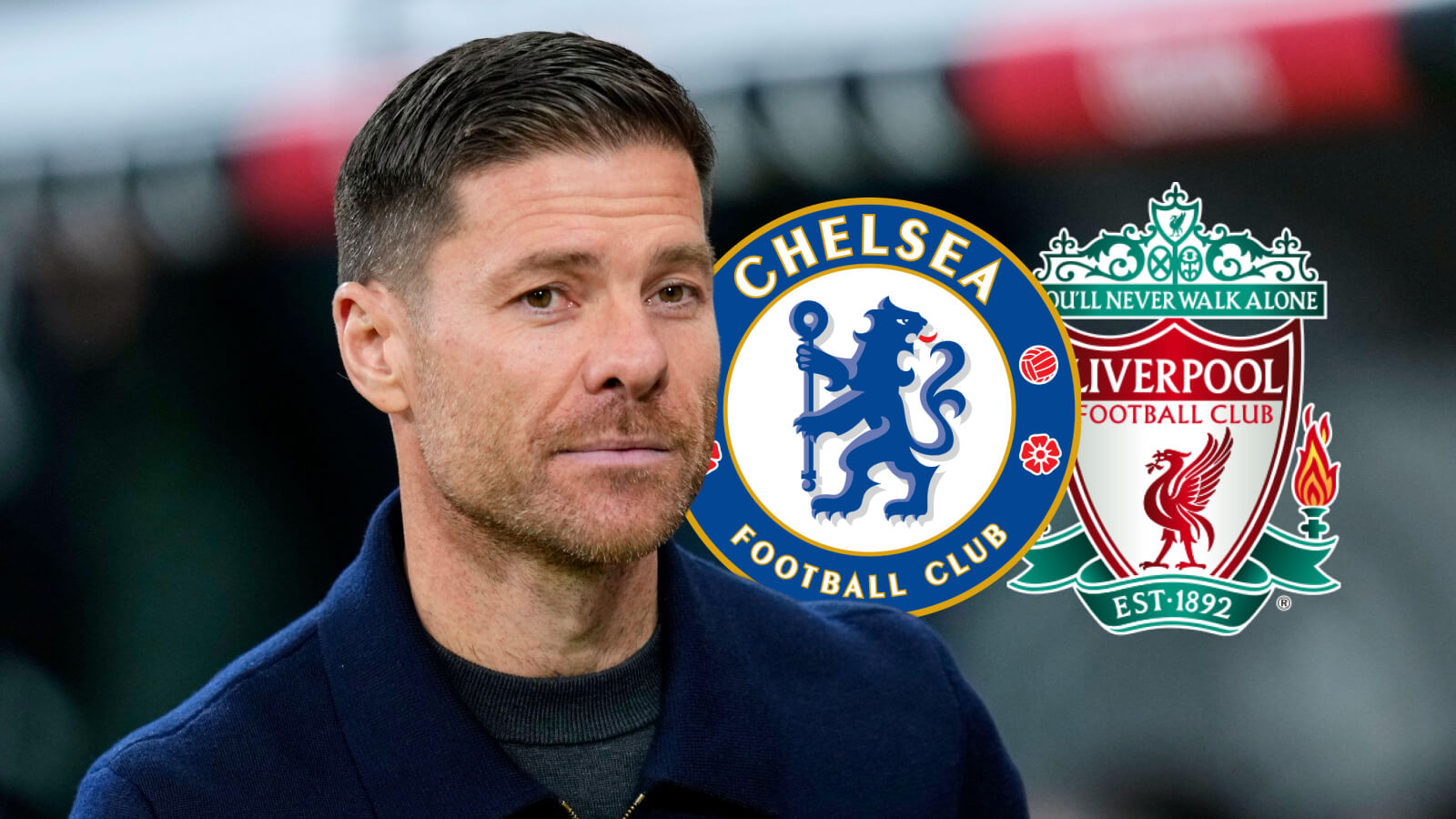
In the high-stakes world of elite management, recruitment is rarely about current form and almost always about the mythological aura of a candidate. Xabi Alonso currently occupies the center of a tug-of-war between Liverpool and Chelsea that feels less like a strategic hiring process and more like a collective hallucination.
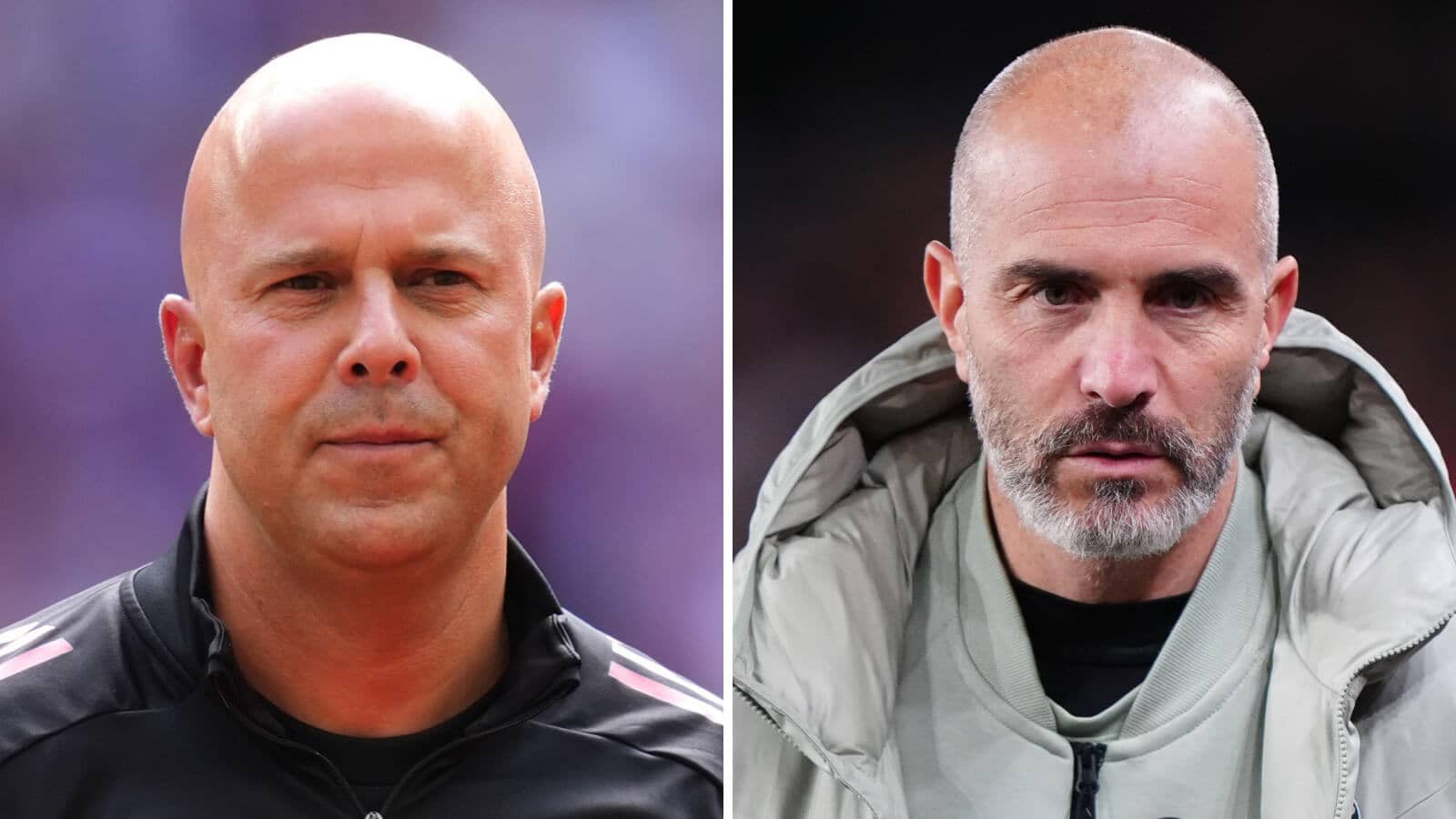
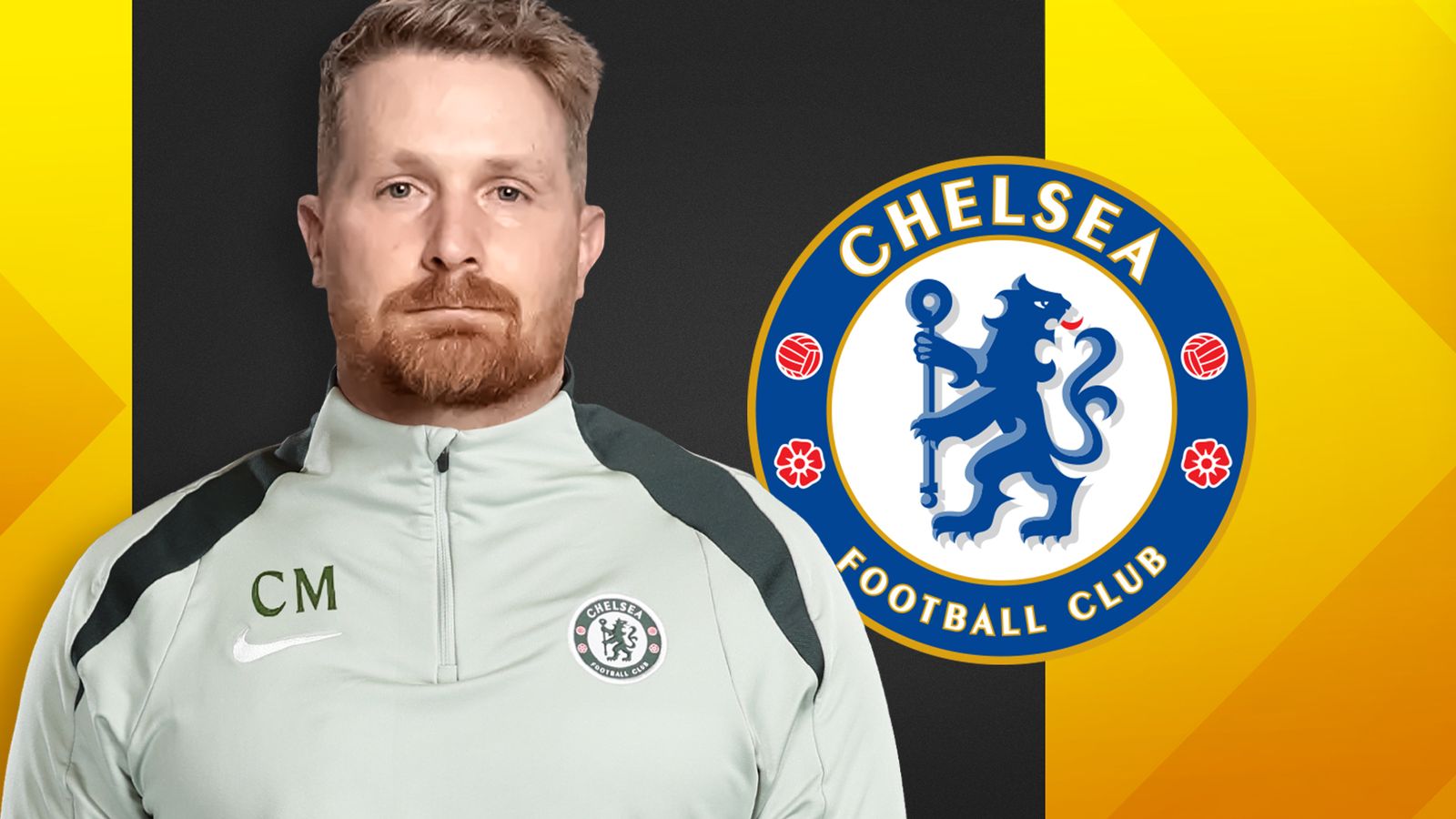
With Chelsea currently in the midst of another chaotic transition after sacking Liam Rosenior, the club has reportedly made contact with the former Real Madrid engine room general, according to reports from internal circles. Calum McFarlane is holding the fort on a temporary basis, but the scramble for a permanent head coach is already exposing the lack of sporting continuity at Stamford Bridge.
Anfield in a state of confusion
Meanwhile, the situation at Liverpool is arguably more bewildering. Despite the presence of Arne Slot, internal murmurings suggest the board might be reconsidering their direction, with some pundits pointing to an 82% pass completion rate requirement that Slot’s current side has failed to mirror in recent outings. Trusted voices like James Pearce have hinted that sticking with Slot could lead to a toxic atmosphere if the trajectory doesn't shift immediately, leaving the door ajar for the Alonso narrative to consume the airwaves.
Fabrizio Romano has been busy providing updates on both fronts, balancing the aggressive Chelsea pursuit against the uncertainty lingering at Anfield. It is a strange predicament for two clubs with such deep pockets and vastly different reputations. Chelsea is treating the manager search like a chaotic round of musical chairs, adding names like Andoni Iraola and Marco Silva to a shortlist that currently spans six candidates.
Why the fixation is a tactical trap
The obsession with Alonso suggests that both boards believe a single tactical visionary can wash away years of inconsistent recruitment and structural instability. It ignores the reality of the game in 2026. Coaches are not miracle workers; they are extensions of the sporting director's vision. If the foundational identity of the club is non-existent, even the most tactically astute manager will find themselves drowning by the 15th matchday.
There is also the matter of actual fit. Alonso’s reputation is built on high-intensity transition play, a stark contrast to the possession-heavy, slow-build approach currently being debated by the Liverpool hierarchy. Chelsea, for their part, possesses a roster so bloated that implementing a clear tactical press is statistically near-impossible without a massive summer exodus.
The verdict on the madness
Predicting the outcome of this standoff requires looking past the rumors. My tactical projection? Both clubs are likely to miss out on their primary choice due to their own internal dysfunction. While Liverpool is flirting with a U-turn on their current project, the reality remains that formal inquiries have been made, but meaningful change is unlikely before the end of the season.
Expect neither club to secure their man before the FIFA World Cup kickoff. Instead, they will continue to feed their fans a diet of high-profile names, while the underlying flaws in their footballing operations continue to rot from within. Alonso is the shiny object, but he is not the solution to either club's structural collapse.