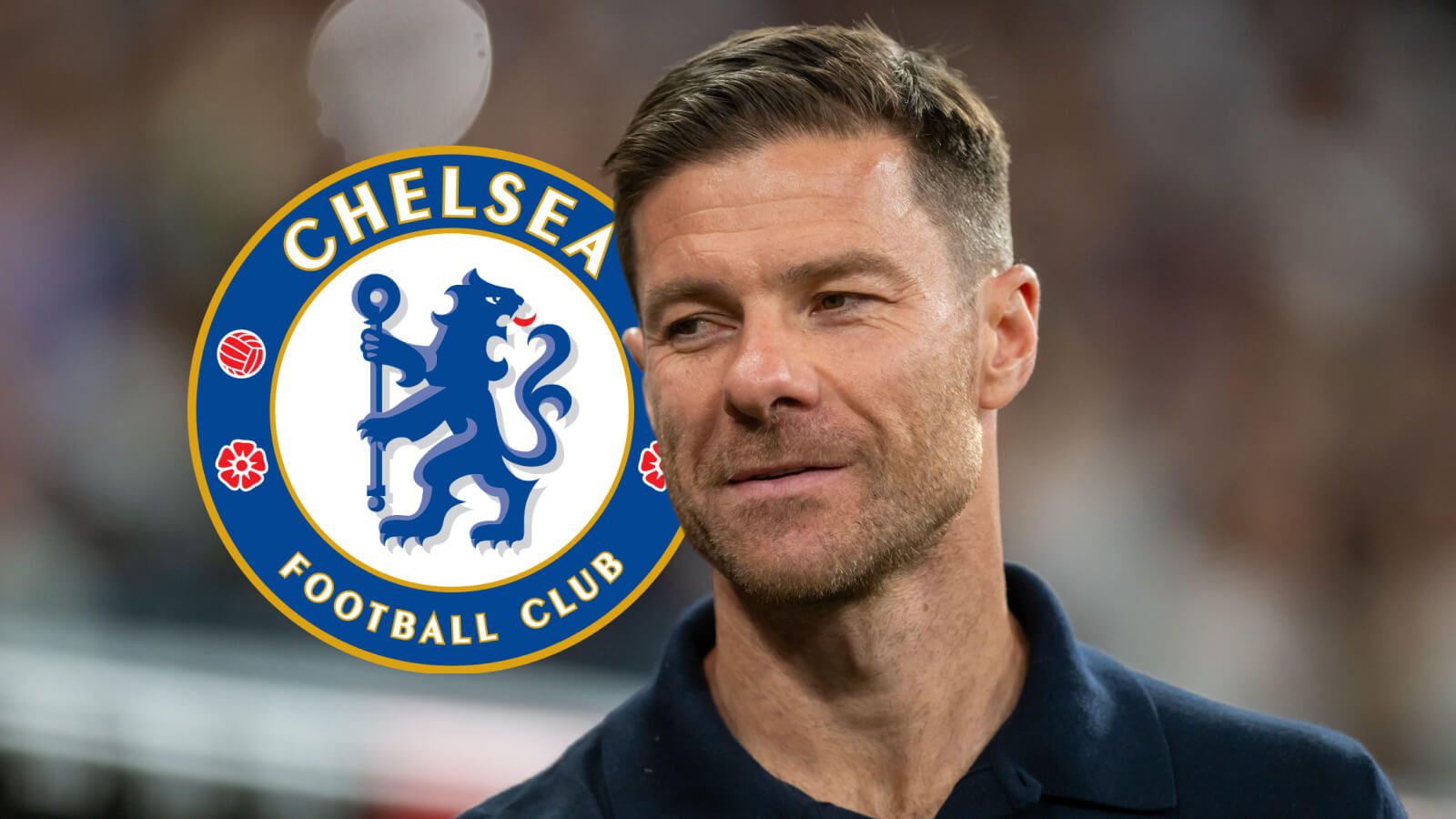
Xabi Alonso is the only man who can fix the mess at Stamford Bridge

The shadow of the Bernabeu hangs over London
Liam Rosenior’s tenure at Chelsea did not end because of a lack of tactical theory, but because of a lack of structural authority. When the axe finally fell this week, it felt less like a shock and more like the inevitable conclusion to a project that never quite found its feet. Now, with Football365 reporting that Xabi Alonso has become the odds-on favorite to take the vacancy, the hierarchy at Stamford Bridge is attempting its most audacious pivot yet. This is not just about hiring a big name; it is about finding a manager whose internal logic is strong enough to survive the chaotic external pressures of the Boehly-Eghbali era.
Alonso’s availability is the primary catalyst here. His departure from Real Madrid in January 2026 remains one of the most dissected events of the European season. While official lines pointed to a mutual parting, the reality was a manager who realized that his rigid, process-driven approach was clashing with the individualist star power required at the Bernabeu. For Chelsea, a club currently possessing a sprawling squad of 34 first-team players, that rigidity is exactly what is required. Rosenior tried to be a bridge-builder; Alonso will likely be a structural engineer.
The tactical blueprint Alonso brings is non-negotiable. At Bayer Leverkusen, and later in glimpses at Madrid, he favored a 3-4-2-1 that relied on extreme verticality from the wing-backs and a 'box' midfield designed to choke the central progression of the opponent. Chelsea’s current roster is theoretically built for this, yet they finished the 2025/26 campaign with a pass completion rate in the final third that ranked in the bottom half of the Premier League. The disconnect is functional, and Alonso is a man obsessed with function.
The Real Madrid raid and the search for balance
According to The Mirror, Alonso has already identified four players from his former club who could facilitate this transition. The names—Arda Guler, Endrick, Fran Garcia, and Aurelien Tchouameni—are not just speculative targets; they are specific fixes for Chelsea's most glaring deficiencies. Consider the Fran Garcia link. Chelsea spent the better part of the last two seasons shuffling inverted full-backs who lacked the raw recovery pace to defend the wide channels in a high line. Garcia, who averaged 4.2 progressive carries per 90 minutes in Spain, provides the natural width that Alonso’s system demands.
The more intriguing prospect is Aurelien Tchouameni. Chelsea’s midfield has been a £220 million exercise in redundancy, with Enzo Fernandez and Moises Caicedo often occupying the same horizontal zones. Tchouameni is the corrective. He is a defensive anchor who understands the 'shadow' cover required when wing-backs push high. In the 2025 Champions League quarter-finals, his ability to break up play in the 14th minute against Manchester City was the specific trigger for Madrid's transition. Chelsea lacks that instinctive defensive trigger.
The Hasselbaink warning and the bloat factor
However, the move is not without its detractors. Jimmy Floyd Hasselbaink has already flagged what he calls a "problem" with the potential appointment. As Metro UK noted, Hasselbaink is concerned about the friction between Alonso’s demands for a streamlined, tactically compliant group and Chelsea’s reality of an oversized dressing room. Alonso is not a manager who enjoys 'managing up' or soothing the egos of the 25th and 26th men on the team sheet. He demands total buy-in.
"If you bring in Xabi, you have to give him the keys to the training ground. You can't have voices from the boardroom telling him which £60m winger needs minutes to protect his resale value."
This is the critical fault line. Alonso left Madrid because the balance of power shifted away from the dugout. If Chelsea expects him to simply 'coach up' a collection of disparate assets chosen by a committee, the relationship will sour by Christmas. The "problem" isn't Alonso's ability; it's the environment's ability to host a perfectionist. Alonso's Leverkusen went 51 games unbeaten because every player in that squad was a functional cog in a machine. Chelsea, currently, is a collection of high-priced spare parts.
The Gallas warning: Ego vs. Architecture
William Gallas has added his own layer of skepticism, specifically warning Alonso to "watch out" for two unnamed stars within the current Chelsea setup. While Gallas didn't name them, the tactical evidence suggests he is referring to the players whose individualistic tendencies clash with Alonso's collective requirements. In many ways, Chelsea’s attacking output has become too reliant on moments of isolated brilliance rather than coached patterns. Under Rosenior, the xG per shot hovered around 0.08—a sign of a team taking desperate, low-quality chances from distance.
Alonso’s system requires a specific kind of selflessness. Arda Guler and Endrick would fit because they are young enough to be molded, but the established veterans at Chelsea may find the Spaniard’s micro-management stifling. Gallas is right to be wary. If Alonso arrives and immediately benches the club’s highest earners in favor of a 19-year-old Brazilian from Madrid, the internal politics will become toxic. We saw this at the Bernabeu in November when Alonso’s insistence on tactical discipline over star-power led to a visible rift during the 2-0 loss to Atletico.
The negative reality: A mid-season quitter?
We must also address the elephant in the room: Alonso walked away from the biggest job in world football in the middle of a season. While Chelsea fans are desperate for a savior, there is a legitimate question about his resilience when the 'process' hits a wall. The Premier League is less forgiving than the Bundesliga or even La Liga. A poor run in November at Chelsea isn't just a tactical slump; it's a national news event. If Alonso found the pressure of Madrid’s boardroom too much, he is jumping from the frying pan into an industrial furnace.
There is also the financial reality. Chelsea's recent reports suggest they are skating dangerously close to the edge of PSR limits. Buying Tchouameni and Endrick isn't as simple as writing a check. It will require a massive outward migration of talent. Alonso might find himself in a situation where he loses his most reliable 'workhorse' players to fund the 'thoroughbreds' he wants from Spain. This creates a transition period that Chelsea’s owners have historically been unwilling to tolerate.
Final tactical verdict
Despite the risks, Alonso represents the first time since Thomas Tuchel that Chelsea has looked for a manager with a truly coherent footballing identity. The 3-4-2-1 is the right shape for this squad, provided they can offload the deadwood and secure a genuine holding midfielder. The potential raid on Madrid provides a shortcut to that identity. Arda Guler’s ability to operate in the right half-space, combined with Garcia’s width, would finally give Chelsea the balance they have lacked since the 2021 Champions League final.
The success of this move hinges on one thing: autonomy. If the board tries to interfere with the tactical selection or the integration of the 'Madrid four,' Alonso will walk. He has shown he has the stomach to leave a prestigious post if the conditions aren't right. For Chelsea, this is a £150 million gamble on a man who might not even stay for the duration of his contract if he feels the 'project' is being undermined from within. It is a high-stakes play, but after three years of aimless drifting, a bit of rigid, Basque discipline might be exactly what the club needs.
Ultimately, the numbers don't lie. Chelsea's average points per game under Rosenior was a dismal 1.42. To get back into the Champions League places, they need to hit 2.0. Alonso has the tactical ceiling to reach that, but only if he is allowed to dismantle the culture of entitlement that has permeated Cobham. If he brings the Madrid stars, he brings a winning DNA. If he brings only his tactics, he might find himself looking for another job by the time the 2027 season kicks off.
Read Next
- Chelsea are gambling their future on the Xabi Alonso project
- Tottenham are flirting with disaster weeks before the World Cup
- City's 3-0 demolition of Palace proves the title race is already dead
- Wembley's Unhappy Final: Man City's Treble March Meets Chelsea's Civil War
- ⚽ La Liga 2025-26 — Title Race Hub
- ⚽ Bundesliga 2025-26 — Title Race Hub
EA SPORTS FC 24 - Standard Edition
The definitive football gaming experience to build your dream squad.
Frequently Asked Questions
Why did Liam Rosenior leave his role as Chelsea manager?
When did Xabi Alonso leave his managerial position at Real Madrid?
What tactical formation does Xabi Alonso prefer to use?
Which Real Madrid players is Xabi Alonso reportedly targeting for Chelsea?
How would Aurelien Tchouameni fit into Chelsea's current midfield?
More Coverage

Adam Wharton emerges as top summer target for Arsenal's midfield evolution
9 minutes ago
Manchester United’s Summer Obsession: Why Inconsistency Defines the Strategy
9 minutes ago
Liverpool chasing Yan Diomande in high-stakes €150m transfer scramble
9 minutes ago
Manchester United are chasing ghosts with the Leao pursuit
an hour agoArsenal’s European ambition check is about eighty games overdue
2 hours ago
Tottenham are shaking up the squad with a record-breaking push
2 hours agoMore Analysis
Xabi Alonso is Chelsea's new manager, but his rigid tactics might break them
1 week, 5 days ago
Why Xabi Alonso to Chelsea is a tactical disaster waiting to happen
2 weeks, 2 days ago
Chelsea are gambling their future on the Xabi Alonso project
2 weeks, 1 day ago
Xabi Alonso at Chelsea is the tactical shift Todd Boehly desperately needed
1 week, 5 days ago
Xabi Alonso is taking the most dangerous job in football at the worst time
1 week, 5 days ago