
Xabi Alonso is taking the most dangerous job in football at the worst time
The 24-hour turnaround at Stamford Bridge
Saturday evening at Wembley felt like a formal autopsy of a failed tactical regime. As Rodri stroked home the winner in the 78th minute to secure Manchester City’s FA Cup victory, the Chelsea bench looked like a group of men who already knew their badges had been deactivated. The 1-0 scoreline flattered Chelsea; they finished with 34% possession and a pathetic 0.42 xG, most of which came from a desperate Nicolas Jackson scuff in stoppage time.
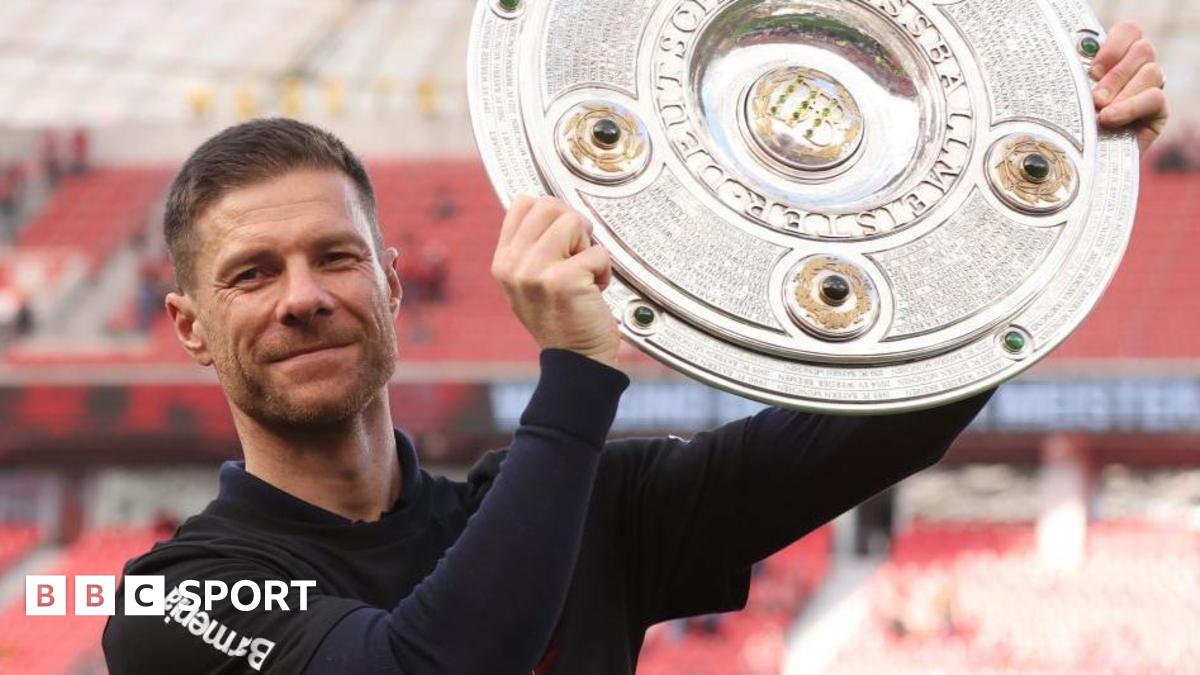
Less than 24 hours later, the club announced Xabi Alonso as their new head coach. He is the third permanent manager to walk through the doors in the last 12 months. It is a staggering rate of churn that would make even the late Jesus Gil look patient. By hiring the man who just broke the Bundesliga with Bayer Leverkusen, Todd Boehly and Behdad Eghbali are making a massive gamble that tactical sophistication can override a broken club culture.
As the BBC reported, Alonso claims he shares the same ambition as the Chelsea board. That phrase is doing a lot of heavy lifting. In West London, 'ambition' is often code for 'win everything immediately or get out.' Alonso is trading the serene, structured environment of the BayArena for a dressing room that has more players than lockers and a hierarchy that changes its mind every fiscal quarter.
The Leverkusen blueprint meets the Chelsea vacuum
To understand why this might work, or why it will fail spectacularly, we have to look at the geometry of Alonso's football. At Leverkusen, he perfected a 3-4-2-1 system that prioritized central density and extreme press resistance. He didn't just want possession; he wanted to bait the opposition into pressing his center-backs before punching through the lines with vertical passes into the half-spaces.
Chelsea’s performance on Saturday was the antithesis of this. They were terrified of the ball. Moises Caicedo and Enzo Fernandez spent the afternoon chasing City shadows, unable to find a single passing lane through the middle. They finished the game with a combined pass completion rate of just 72%, a career-low for a duo that cost over £200 million. Alonso’s first task is to stop the bleeding in the middle of the pitch.
In Germany, Alonso had Granit Xhaka as his on-field general, a player who averaged 98 passes per 90 minutes. Chelsea don't have that profile. Enzo has the range, but he lacks the positional discipline Xhaka displayed under Alonso. Caicedo is a world-class destroyer, but he isn't yet a metronome. Alonso will have to spend the next 11 days before the Champions League final—which Chelsea will watch from their sofas—reprogramming his midfield to value the ball as much as he did during his playing days.
The wing-back problem and the Palmer paradox
Alonso’s system lives and dies by its wing-backs. Alex Grimaldo and Jeremie Frimpong provided 24 goals and 28 assists between them last season in Leverkusen. They weren't just wide players; they were secondary playmakers and inverted wingers. Looking at the Chelsea roster, the fit is awkward at best. Ben Chilwell has the engine but lacks Grimaldo's elite delivery, and Malo Gusto is a brilliant defender who is still learning the nuances of final-third decision-making.
Then there is the Cole Palmer issue. Palmer has been Chelsea’s only consistent source of creativity, drifting from the right wing into the number 10 pockets. In a 3-4-2-1, Palmer fits perfectly as one of the two dual 'tens' behind the striker. However, Alonso demands rigid positional discipline. If Palmer continues to wander toward the touchline to find space, he might find himself clogging the lanes intended for the wing-backs.
There is a real risk that Alonso tries to shoehorn these players into a system that doesn't suit their natural instincts. We saw it with Graham Potter and we saw it with the interim spells. Chelsea players are used to improvising because the structural support hasn't been there. Asking them to suddenly play like a synchronized clock is a tall order, especially with the 2026 World Cup just 25 days away. Most of this squad will be thinking about their national teams by next week.
The inevitable dark side of the appointment
Let's be blunt: this is a move of pure desperation from a board that has run out of ideas. Hiring the 'it' manager of the moment is the easiest way to deflect criticism from ownership. If Alonso fails, they can say even the brightest mind in Europe couldn't fix it. It’s a shield, not just a tactical upgrade. And there is plenty that could go wrong.
Alonso's Leverkusen was a team of veterans and specifically scouted bargains who bought into a singular vision. Chelsea is a collection of high-priced teenagers and internal factions. The ego management alone will be a new experience for Alonso. He is used to being the smartest person in the room, but at Chelsea, that room is often filled with people who think their bank balance dictates their tactical knowledge.
The lack of a clinical striker is the other glaring hole. Alonso’s system generates high-quality chances through volume, but someone has to finish them. Nicolas Jackson’s miss in the 89th minute on Saturday wasn't an anomaly; it was a symptom. Chelsea's underperformance against their xG this season is a staggering -12.4. Unless Alonso can turn Jackson into Victor Boniface overnight, the same old frustrations will boil over by September.
A short runway before the World Cup distraction
The timing is genuinely bizarre. Alonso has a handful of training sessions before the players scatter for the World Cup in the USA, Canada, and Mexico. He won't have his full squad back until late July. By the time he actually gets to implement his ideas, the pressure will already be mounting. The Chelsea hierarchy doesn't do 'transition periods'—they do results.
If Chelsea don't win their first three games of the 2026/27 season, the 'third boss in a year' narrative will shift to 'fourth boss in 18 months.' Alonso is a brilliant coach, perhaps the best of his generation, but he is entering a graveyard for managerial reputations. He has built his career on control, but at Stamford Bridge, control is the one thing no manager is ever truly allowed to have.
The FA Cup final defeat proved that Chelsea are miles behind the elite. They are a team of individuals playing in a system that doesn't exist. Alonso provides the system, but whether he can find the individuals willing to sacrifice their own flair for his collective machine is the question that will define his tenure. If he can't, he'll just be another name on a very long, very expensive list of failures.
Roku Streaming Stick 4K | Streaming Device 4K/HDR/Dolby Vision with Roku Voice Remote and TV Controls
The easiest way to stream every match in 4K.
Frequently Asked Questions
Who did Chelsea hire as their new head coach?
What was the score of the Chelsea vs Man City FA Cup final?
How many managers has Chelsea had in the last year?
What formation and tactics does Xabi Alonso use?
How did Enzo Fernandez and Moises Caicedo play against Man City?
More Coverage

Why Liverpool must be wary of the Yan Diomande Bundesliga trap
29 minutes ago
Raheem Sterling's arrest is a disaster for his career timeline
2 hours ago
Kieran Trippier is the exact veteran Wolves need right now
2 hours ago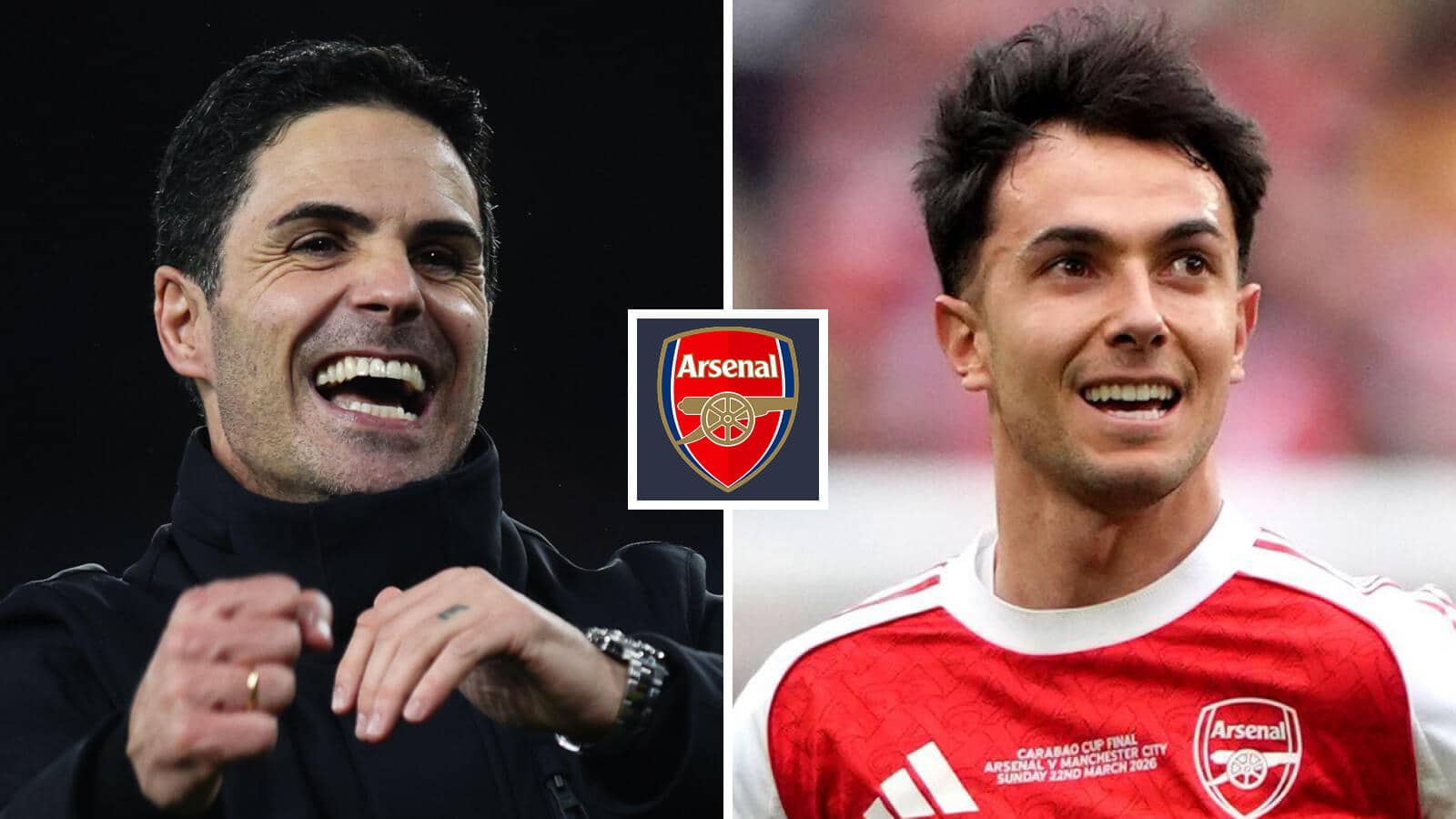
Adam Wharton emerges as top summer target for Arsenal's midfield evolution
3 hours ago
Manchester United’s Summer Obsession: Why Inconsistency Defines the Strategy
3 hours ago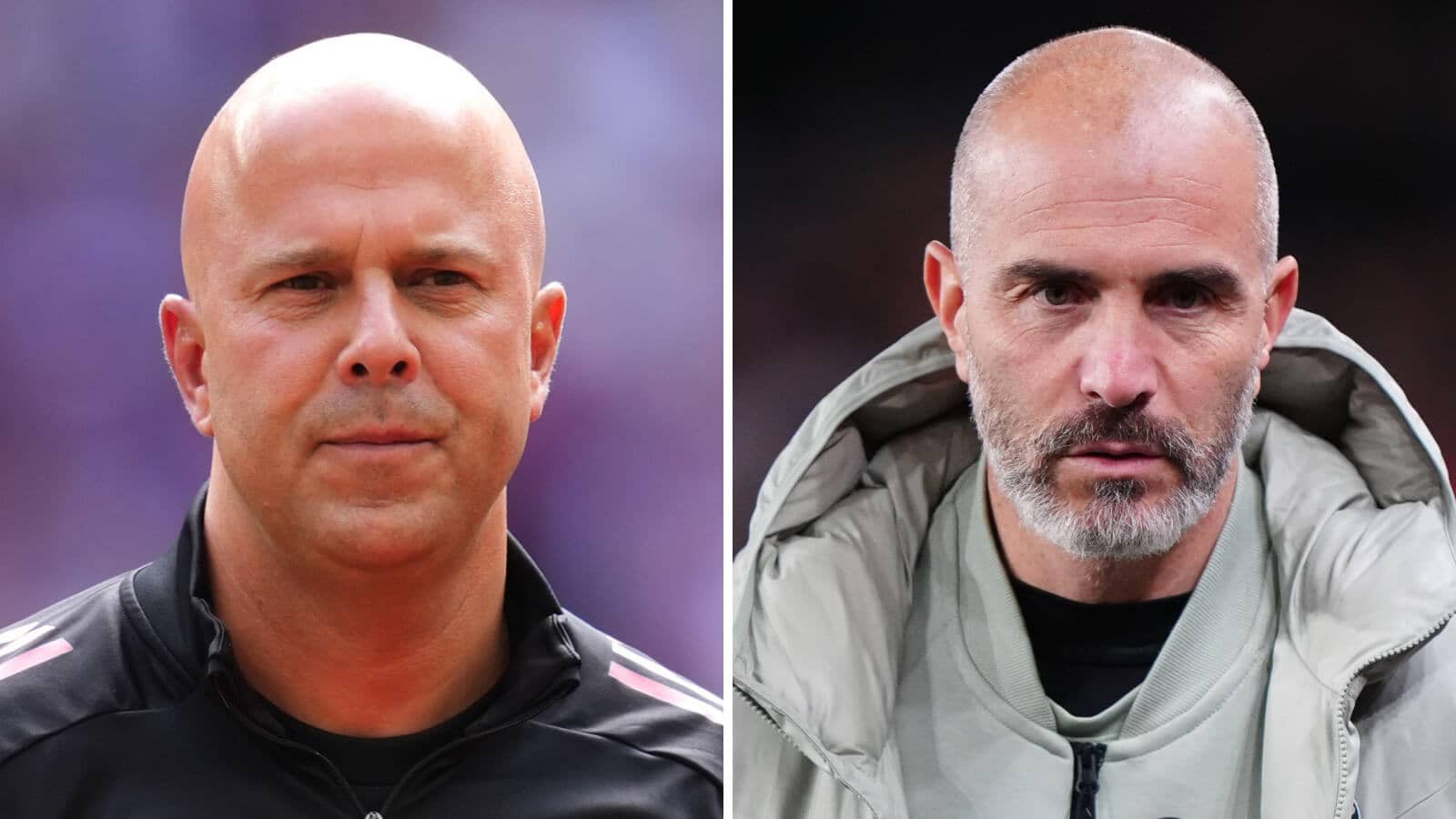
Liverpool chasing Yan Diomande in high-stakes €150m transfer scramble
3 hours agoMore Analysis

Xabi Alonso to Chelsea is the ultimate high-stakes gamble for Todd Boehly
1 week, 5 days ago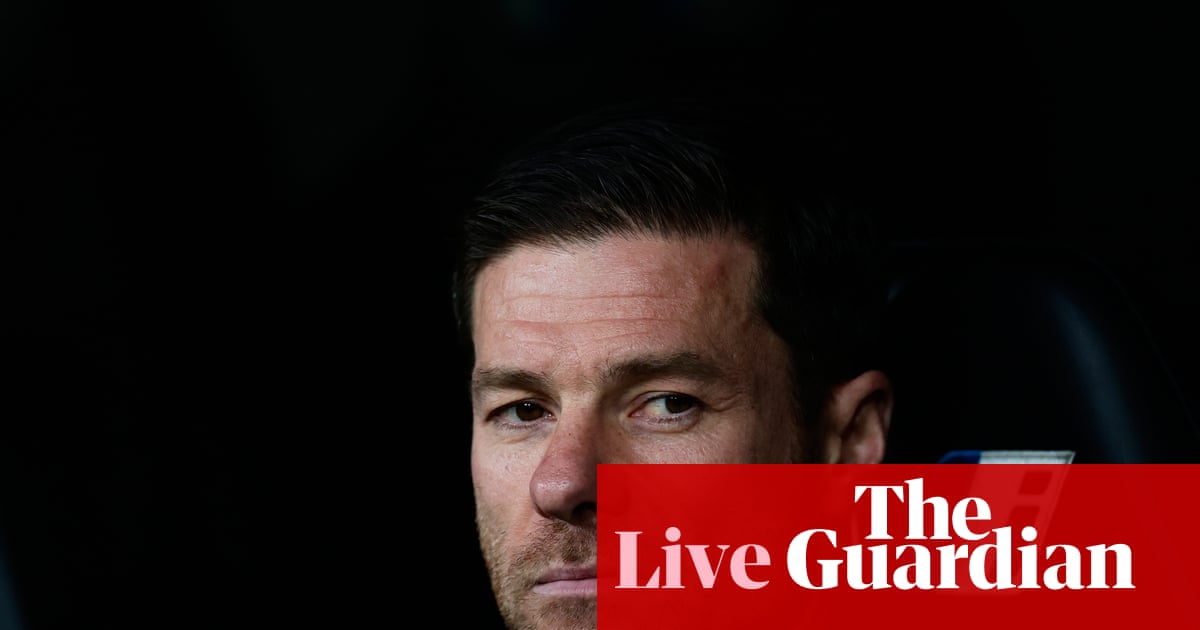
Xabi Alonso is Chelsea's new manager, but his rigid tactics might break them
1 week, 5 days ago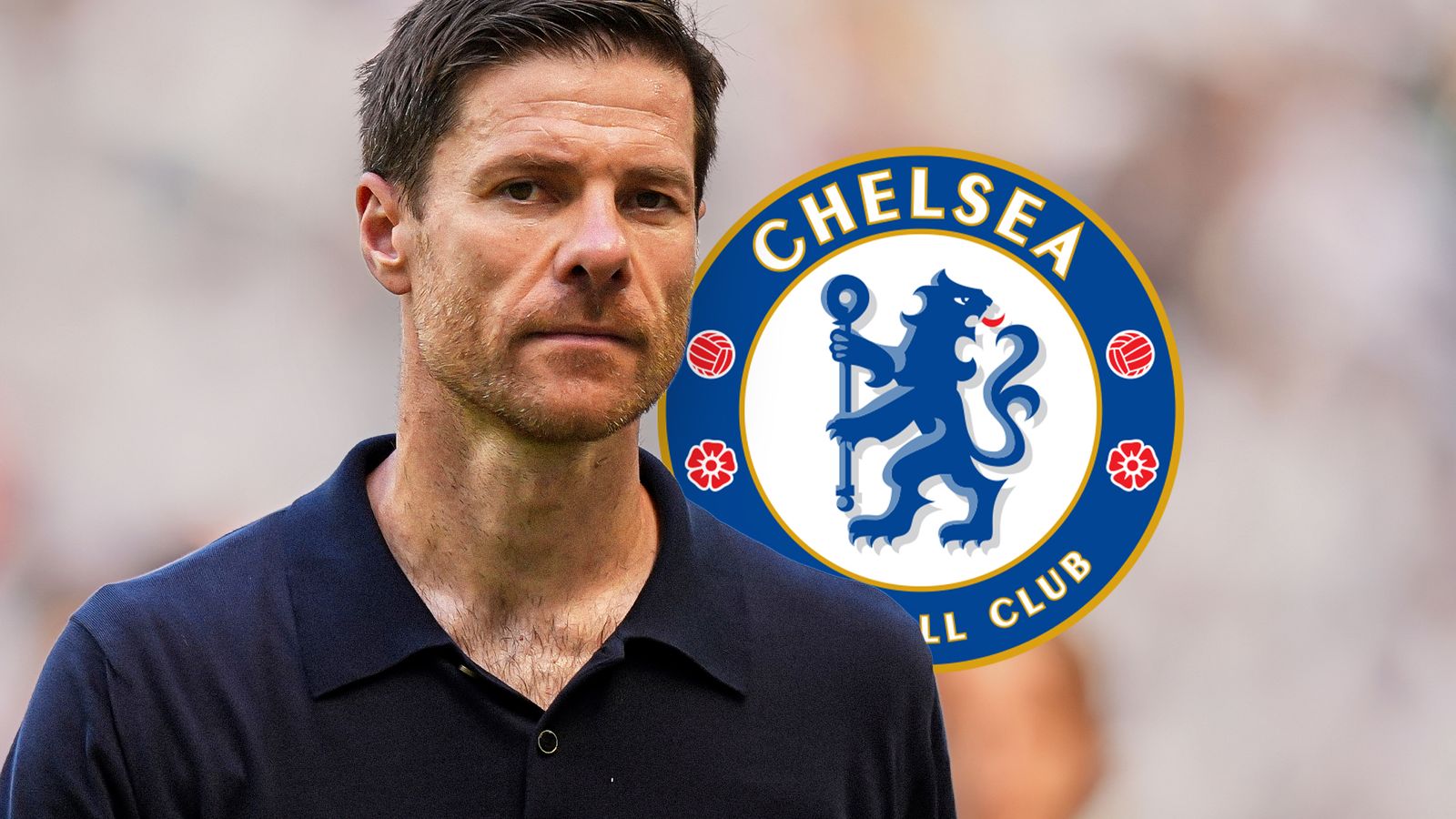
Xabi Alonso to Chelsea is the ultimate 'I can fix her' move
1 week, 5 days ago
Why Xabi Alonso to Chelsea is a tactical disaster waiting to happen
2 weeks, 3 days ago
Chelsea are gambling their future on the Xabi Alonso project
2 weeks, 1 day ago