The inevitable finally happens at Stamford Bridge
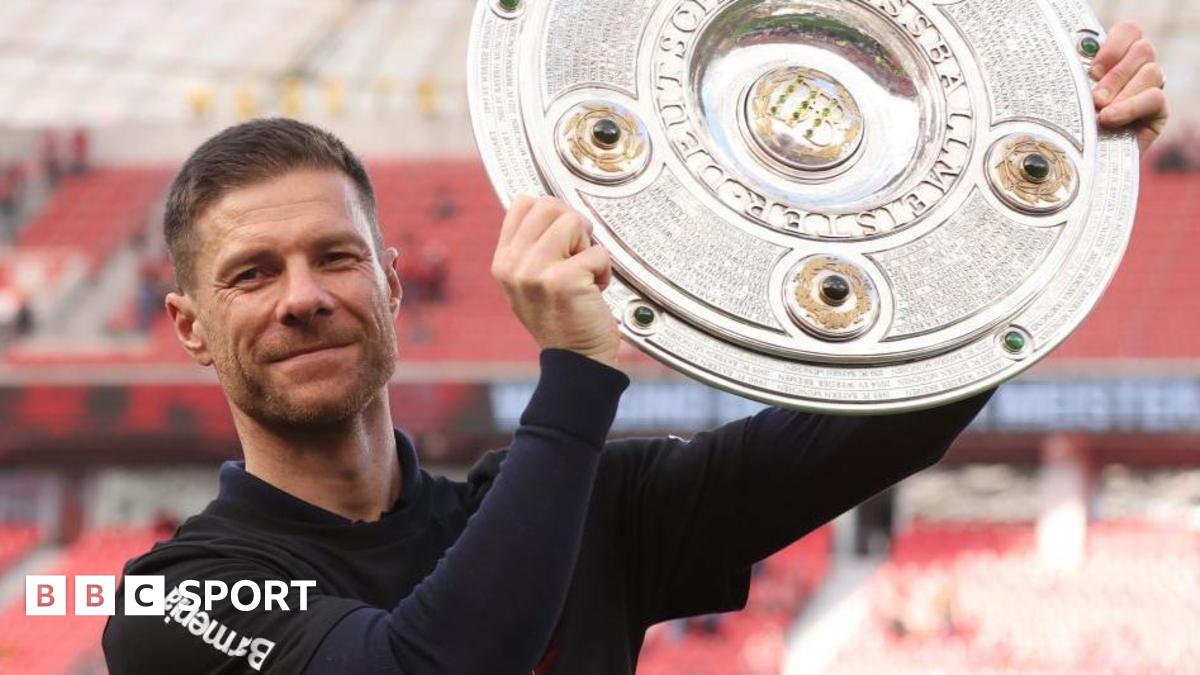
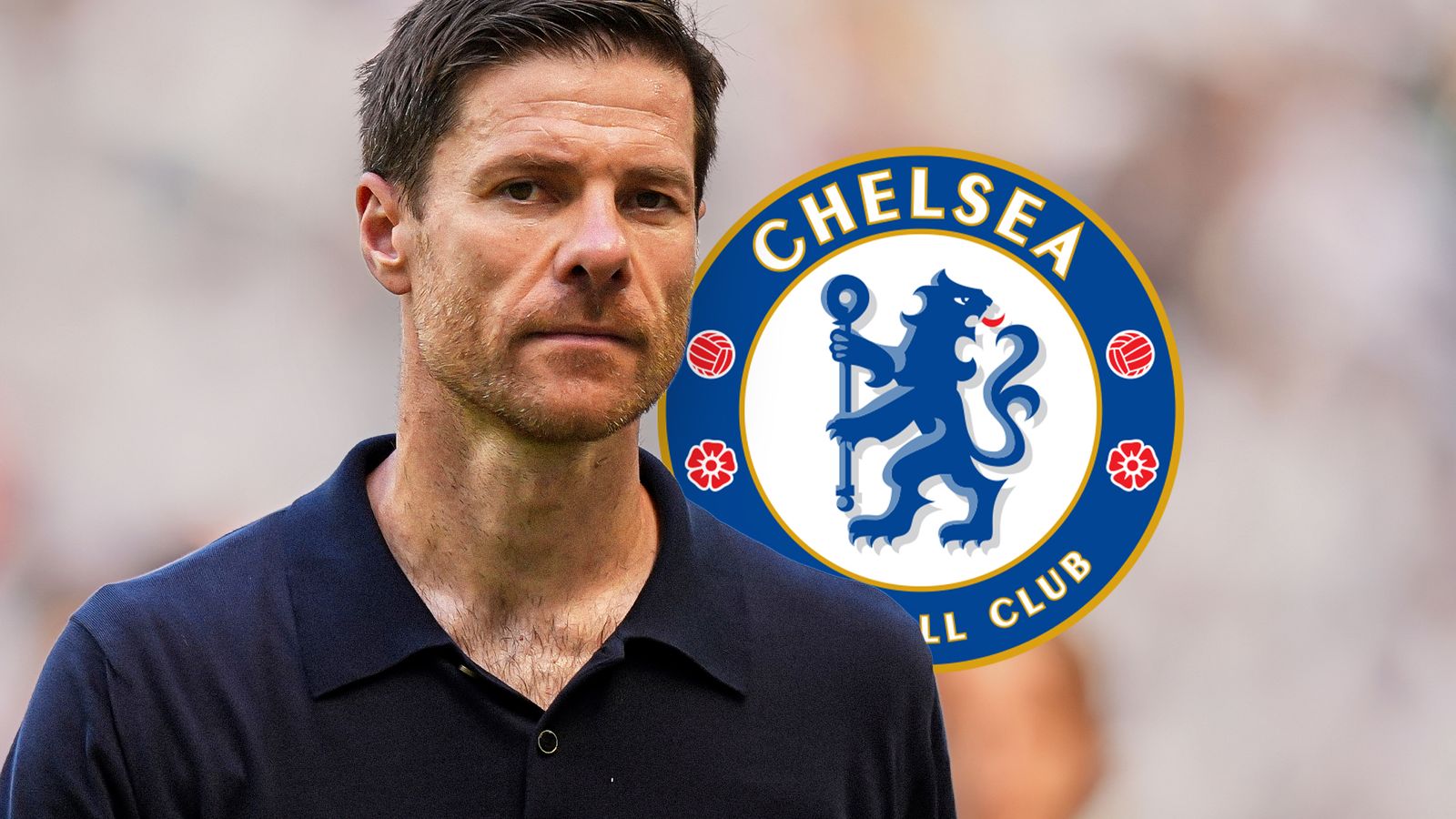
Xabi Alonso is officially the manager of Chelsea. As The Guardian confirmed this morning, he has signed a four-year deal to take over the club. This draws a line under a chaotic month following Liam Rosenior's unceremonious dismissal.
We all knew this move was in the works. The rumors have dominated the news cycle for weeks. But seeing Alonso actually hold the shirt makes it real.
This is a massive shift in tactical philosophy for a squad that has been assembled with seemingly zero cohesive vision over the last few years. Alonso brings strict control. He demands rigorous positional discipline and fluid ball circulation in the middle third. Chelsea, frankly, have severely lacked both of those qualities.
The board handing him a four-year contract is an attempt to signal stability. They want the fans and the media to believe they are committed to a long-term project. But patience does not exist in West London. The clock is already ticking.
A bloated squad meets a rigid system
Here is the biggest tactical hurdle Alonso faces on day one. Chelsea's current roster is a bloated, disjointed collection of transition attackers. They thrive on pace, direct running, and broken-field chaos.
They simply do not possess the metronomic passing profiles Alonso relied upon so heavily at his previous managerial stops. Think about how his teams operate. He builds out of a 3-4-2-1 shape that relies entirely on a deep-lying orchestrator dictating the tempo.
Enzo Fernandez fits that description on paper, but his defensive positioning has been woeful for the past year. Can Fernandez learn to screen a back three while simultaneously controlling the pace of the game? That is a massive question mark.
Moises Caicedo presents a different challenge. He is an elite ball-winner, but Alonso's system requires the double pivot to be incredibly press-resistant under heavy pressure. Caicedo's first touch can be erratic. If he gets caught on the ball in Alonso's expansive build-up shape, the center-backs are left completely exposed.
The wing-backs present another immediate headache. Alonso's system demands wing-backs who effectively operate as wide playmakers. They have to hold the width, stretch the opposition, and deliver elite final balls.
Malo Gusto has an incredible engine, but his crossing accuracy is miles off the required standard. On the other side, Marc Cucurella has looked entirely lost when asked to play high up the pitch. Reece James is the obvious answer, but banking on his fitness for a 38-game season is a fool's errand at this point.
Solving the attacking puzzle
Up front, the puzzle gets even more complicated. Alonso's setup utilizes twin attacking midfielders operating in the half-spaces behind a lone striker.
Cole Palmer is tailor-made for the right-sided role. He will thrive there. He can drift inside, pick up pockets of space, and thread passes through tight defensive blocks.
But who plays on the left? Christopher Nkunku could drop into that pocket, but his injury record is just as concerning as James'. Mykhailo Mudryk is a pure touchline winger who wants space to run into.
Asking Mudryk to receive the ball on the half-turn in heavily congested central areas is asking for turnovers. Then there is the striker problem. Nicolas Jackson has flashed potential, but his finishing remains wildly inconsistent.
Alonso needs a focal point. He needs a forward who can pin center-backs, hold up the ball, and bring the narrow tens into play. Jackson wants to run the channels. It is a fundamental clash of styles.
"Chelsea is one of the biggest clubs in..."
Alonso kept it extremely brief in his initial press release, the quote cutting off abruptly in the club's media blast. But he clearly knows the pressure is immediate. You do not take the Chelsea job expecting a grace period.
Escaping the Rosenior shadow
We have to be honest about Liam Rosenior's tenure. It was a disaster class in man-management and tactical application. He completely lost the dressing room by January.
More worryingly, the team's pressing structures were entirely non-existent for the final three months of his reign. You could drive a bus through the gaps between Chelsea's midfield and defense. Teams bypassed their press with a single vertical pass.
Rosenior tried to implement a high-octane pressing game without actually drilling the triggers. Players were jumping out of position individually, leaving massive holes behind them. It was naive, and it was punished ruthlessly by any team with a basic understanding of build-up play.
Alonso has to completely rebuild trust before he can even think about drilling his complex positional shape. The players looked mentally shattered by the end of the campaign. They have had too many voices, too many conflicting tactical instructions, and far too much turnover.
The Leverkusen blueprint vs Premier League reality
We need to look closely at what made Alonso successful previously to understand why this Chelsea job is so perilous. At his previous club, he had a squad perfectly balanced for his exact requirements.
The wing-backs were offensive weapons who practically played as wingers. The double pivot was perfectly balanced between a destroyer and a deep-lying playmaker. The front three operated with absolute telepathy.
He achieved that because the club built the squad specifically for him. The recruitment was laser-focused on finding players with high tactical intelligence. Chelsea's recruitment over the past two years has been the exact opposite.
They have bought raw athleticism and individual flair, entirely ignoring tactical compatibility. When Alonso implements his 3-4-2-1 against deep Premier League blocks, he will face a unique set of challenges.
Teams like Everton, Nottingham Forest, and Crystal Palace will not engage in open tactical warfare. They will sit in a low block, concede possession, and dare Chelsea to break them down. This is where Alonso's system demands extreme precision.
Without it, you end up passing the ball in a U-shape around the penalty area for 90 minutes. Chelsea have suffered from this sterile possession constantly over the last two years. Alonso has to teach this squad how to penetrate, not just how to keep the ball.
The transfer window imperative
This upcoming summer window will define Alonso's tenure. He cannot implement his ideas with this current crop of players.
The sporting directors, Paul Winstanley and Laurence Stewart, must finally align their recruitment with the manager's actual needs, rather than just hoarding young talent. Chelsea desperately need a central, commanding center-back who can anchor a back three.
Levi Colwill is excellent on the left, but they need a dictator in the middle. Someone who can step into midfield and distribute flawlessly. They also need a controlling midfielder. Someone who rarely loses the ball and understands how to dictate rhythm.
Relying solely on Fernandez and Caicedo to play 60 games in a highly structured possession system is a massive gamble.
Catching the elite
Look at the wider Premier League context. Arsenal and Manchester City have set an impossibly high benchmark for positional play. They have spent years refining their structures, automating their movements, and ruthlessly upgrading their personnel.
Alonso is trying to install a similar operating system at Cobham, but he is starting years behind Mikel Arteta and Pep Guardiola. He is walking into a club that has normalized chaos.
Can he strip away the noise and install a methodical, dominant style of play? He did it in Germany, but the Premier League is a different beast entirely. The transition phases are faster, the pressing is more aggressive, and the bottom half of the table is far more capable of punishing mistakes.
The verdict and prediction
Alonso is a brilliant tactical mind. His work over the last few years proves he is a top-tier coach. But this feels like a mismatch of epic proportions. He is a methodical planner walking into a club that operates entirely on impulse.
Prediction? It is going to get worse before it gets better. Expect a disjointed, frustrating start to the upcoming season. The players will struggle to adapt to the heavy informational load Alonso places on them.
There will be growing pains. There will be bad turnovers playing out from the back. Alonso will need at least two full transfer windows to clear out the tactical misfits and bring in profiles that actually execute his positional play demands.
If he survives the first six months, Chelsea might finally have the anchor they have desperately needed. But given the ownership's track record, surviving those six months is a monumental task.
I expect Chelsea to struggle early, sit outside the top four by Christmas, and for the pressure to reach a boiling point by January. Alonso is a great manager. But even great managers get swallowed whole by Stamford Bridge.