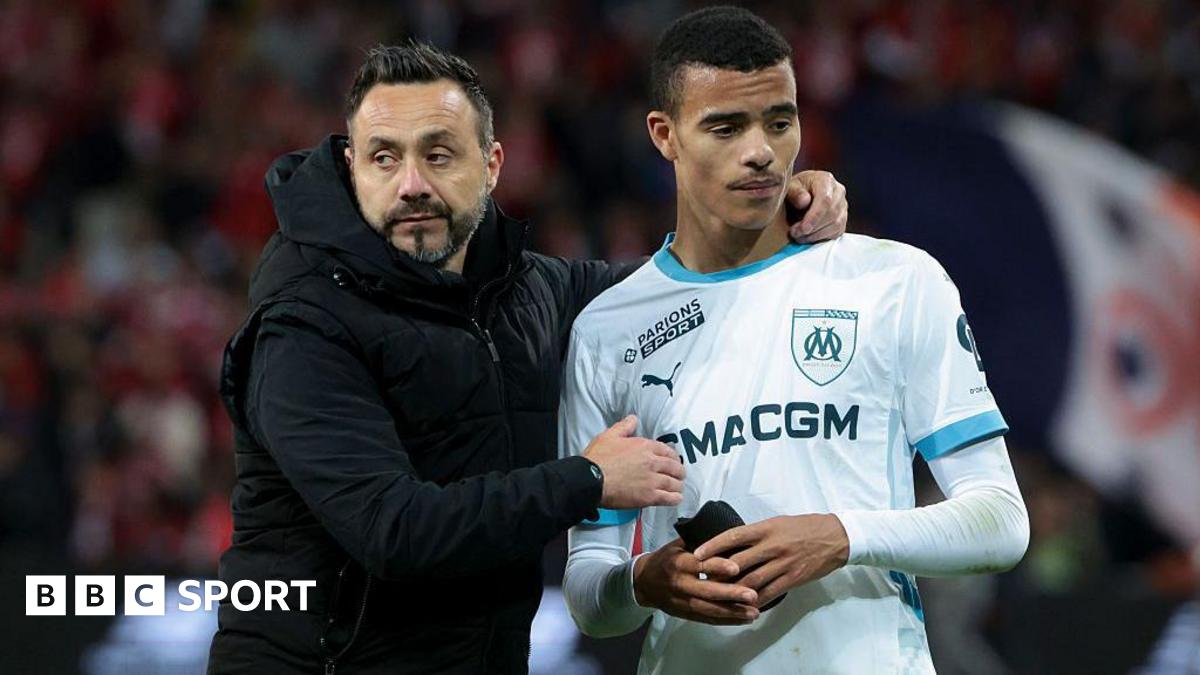
Thomas Frank's Tottenham disaster is the ultimate cautionary tale

The Eight-Month Mirage Ends in North London
In the high-stakes, hyper-accelerated ecosystem of the Premier League, eight months is an eternity. It is enough time to build a philosophy, alienate a dressing room, and lose the faith of a fanbase that was never fully convinced to begin with. Today, the inevitable arrived at Tottenham Hotspur Stadium: Thomas Frank has been relieved of his duties, marking the end of a tenure that promised tactical evolution but delivered only administrative chaos and tactical stagnation.
When Frank walked through the doors of the training ground back in the summer, there was a sense of cautious optimism. He was the 'smart' appointment, the man who had squeezed blood from the stone at Brentford, a coach whose metrics-driven approach was supposed to drag Spurs into the modern era. Instead, we witnessed a slow-motion car crash that left players confused, fans vocal in their dissent, and the boardroom scrambling for an exit strategy.
The Disconnect Between the Clipboard and the Pitch
The core issue of the Frank era was never a lack of intelligence; it was a fundamental failure of communication. Sources close to the squad suggest that while Frank’s tactical dossiers were exhaustive, they were ultimately alienating. In the modern game, where the manager must be part-psychologist and part-tactician, Frank’s rigid adherence to his specific system left little room for the improvisation that defines elite-level football. Players who had thrived under more fluid systems found themselves stifled, shackled by positional requirements that seemed to ignore their natural instincts.
"He had a plan for every blade of grass, but he forgot that he was dealing with human beings who need to feel empowered, not just instructed," noted one club insider.
The result was a team that looked perpetually anxious. You could see it in the way the ball moved—or didn't move—through the midfield. There was a hesitancy, a 'second-guessing' that permeated the squad. When players are more worried about being out of position than they are about expressing their talent, the game becomes a chore. And at Tottenham, a club already burdened by its own history of 'nearly' moments, that anxiety is contagious. It spread from the pitch to the stands, and eventually, to the boardroom.
The Shadow of the Transfer Market
Compounding the tactical malaise was a recruitment window that failed to address the team's glaring structural weaknesses. With reports now swirling that key Liverpool stars are being courted by Real Madrid, Tottenham fans look at their own transfer business with a mix of envy and frustration. While the elite clubs are playing chess, Spurs appeared to be playing checkers. The failure to secure high-priority targets left Frank with a squad that was fundamentally ill-suited to his high-intensity pressing demands. It was a mismatch of philosophy and personnel that was doomed from the start.
A Glimmer of Hope in the EFL
While the lights go out on the Frank project in North London, the true spirit of development can be found elsewhere in the English football pyramid. Take, for instance, the meteoric rise of Barnsley’s Vimal Yoganathan. At just 20 years old, Yoganathan has become the heartbeat of the Tykes’ midfield, a testament to the power of resilience. After being rejected by Liverpool—a setback that would have broken many young prospects—he didn't retreat into the shadows. He went to Barnsley, put his head down, and under the tutelage of Conor Hourihane, he has blossomed into one of the most exciting prospects in the EFL.
Yoganathan’s 37 appearances this season serve as a stark contrast to the climate at Tottenham. While Spurs were busy navigating the politics of a failing regime, Yoganathan was learning the 'midfield secrets' that only experience can teach. His story is a reminder that football is not just about the finished product; it’s about the journey, the bounce-back, and the hunger to prove the doubters wrong. He is blazing a trail for South Asian players, but more importantly, he is showing what happens when a player is given the right environment to flourish rather than a rigid system to survive.
What Comes Next for Spurs?
The sacking of Frank is merely the first step in a long, arduous process of rebuilding. The club is now at a crossroads. Do they double down on the 'analytical' approach that failed so spectacularly, or do they pivot toward a manager who understands the unique, volatile DNA of Tottenham? The fans are tired of 'projects' and 'philosophies.' They want a identity, they want a team that mirrors the passion in the stands, and they want a manager who can bridge the gap between the boardroom’s spreadsheets and the reality of the pitch.
As the dust settles on the Frank era, the club must look at the lessons of the past eight months. The Premier League does not reward the smartest person in the room; it rewards the most cohesive. Whether it is looking at the grit and development seen in players like Yoganathan or simply finding a leader who can unify a fractured dressing room, Spurs need a reset that goes beyond just the man in the dugout. The dream of a new dawn has been deferred, but for the sake of the supporters who have endured this slog, the next appointment cannot afford to be another experiment.
Read Next
- Amad Diallo is making it impossible for Erik ten Hag to ignore him
- Nottingham Forest are daring to dream in North London
- Michael Carrick's Manchester United are stuck in a loop of beautiful chaos
- Old Trafford's latest VAR disaster is a sign of a deeper rot
- 🏆 Europa League Final 2026 — Full Coverage Hub
Amazon Fire TV Stick 4K streaming device
Watch every Premier League and World Cup match in stunning 4K.
Frequently Asked Questions
How long was Thomas Frank the manager of Tottenham?
Why did Thomas Frank fail at Tottenham?
What was the main criticism of Thomas Frank's coaching style?
How did the transfer market impact Frank's performance?
What was the atmosphere like among Tottenham fans during Frank's tenure?
More Coverage

Anthony Gordon to Barcelona marks a high-stakes gamble
35 minutes ago
Arsenal's 104 million gamble on Julian Alvarez is pure chaos
35 minutes ago
Arsenal and PSG are locked in a tactical chess match for the trophy
an hour ago
Top 10: The Definitive Arsenal Moments of the 2025/26 Season
an hour ago
Newcastle are burning the furniture to keep the house warm
2 hours ago
Manchester City's business model is frankly terrifying
2 hours agoMore Match Reports
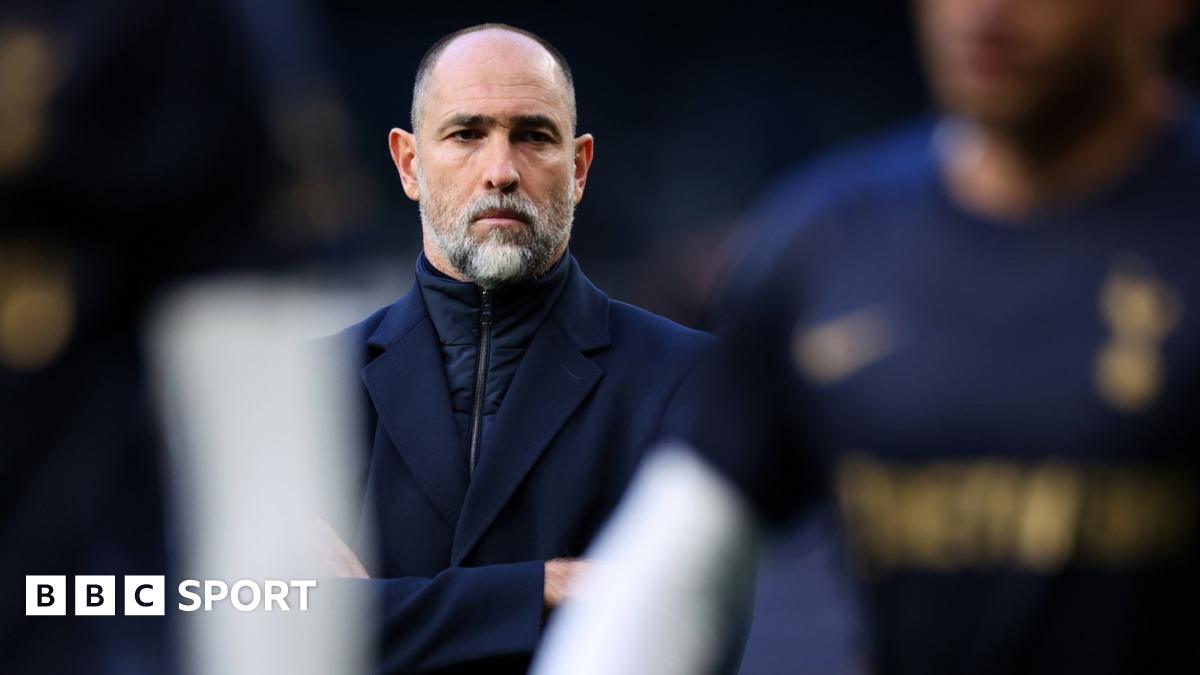
Tottenham cannot afford another hollow gamble in the dugout
2 months ago
Tottenham's 44-day fever dream is over and the cleanup starts now
1 month, 4 weeks ago
Tottenham are flirting with disaster and nobody is surprised
1 month, 1 week ago
Why Igor Tudor’s man-to-man experiment at Spurs finally collapsed
2 months ago
Igor Tudor's Tottenham disaster was entirely predictable
2 months ago