
Tottenham cannot afford another hollow gamble in the dugout
The Anatomy of a Systemic Failure
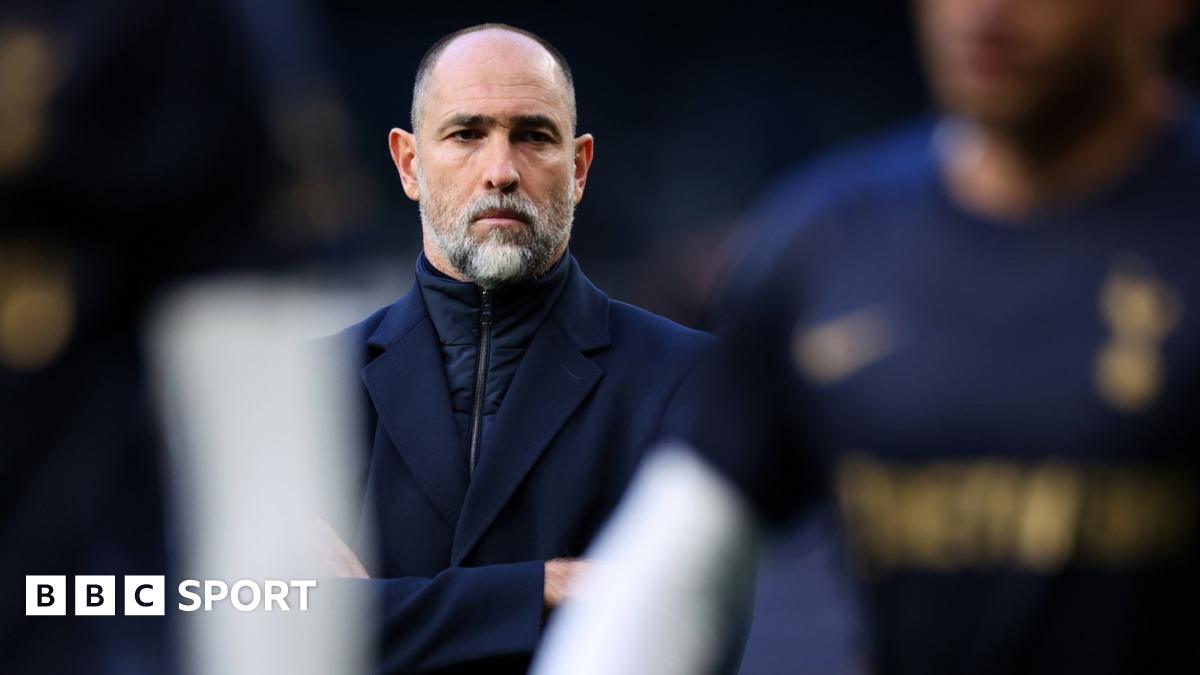
Igor Tudor is gone, and the silence around the Tottenham Hotspur Stadium feels heavier than usual. It was not just that the results were poor; it was the fundamental rejection of the club's identity that made his short tenure so grating. Phil McNulty hit the mark when he suggested that Vinai Venkatesham and Johan Lange are now effectively out of lives.
The decision to hire Tudor was always a jagged fit for a squad constructed for expansive, possession-heavy football. You cannot pivot from the high-wire act of the previous regime to a rigid, man-marking 3-4-2-1 without expecting significant structural damage. The wreckage is now visible in the league table and the disillusioned eyes of a fanbase that has seen this movie before.
As Phil McNulty reported for the BBC, the hierarchy has addressed the immediate error by removing Tudor. However, the margin for error has evaporated entirely. If the next appointment fails, the scrutiny shifts from the pitch to the executive offices where Venkatesham and Lange reside.
The Tactical Mismatch
Tudor's system is a derivative of the Gian Piero Gasperini school, requiring every player to win their individual duel across ninety minutes. In the Premier League, where technical levels are sky-high, one missed tackle in the middle third triggers a total defensive collapse. Spurs found this out the hard way, conceding far too many goals through simple rotations that their man-oriented markers could not track.
Micky van de Ven is a phenomenal recovery defender, but Tudor asked him to abandon his zone to follow strikers into the center circle. This left massive oceans of space behind for opposition wingers to exploit. The data shows that Spurs were bypassed in the transition phase at a rate of 4.2 times per game, a figure that is unsustainable for any team with European ambitions.
James Maddison looked like a ghost in this system. A player who thrives on finding pockets of space and dictated the tempo was instead reduced to a secondary presser, chasing shadows in a mid-block that lacked any real cohesion. The creative pulse of the team was effectively flatlined to accommodate a defensive philosophy that never actually provided any stability.
A Leadership in the Crosshairs
Johan Lange arrived with a reputation as a data-driven sporting director who would bring a modern, clinical edge to recruitment and coaching appointments. Hiring Tudor felt like a panic move, a reach for a "disciplinarian" to fix a leak that required a plumber, not a drill sergeant. It suggested a lack of a coherent long-term strategy, which is the most damning indictment of any modern football club.
Vinai Venkatesham, having moved into the chief executive role, is now the man responsible for the culture of the institution. He inherited a club with a world-class stadium and a world-class training ground, but a first-team squad that feels like it has been assembled by three different committees. There is no clear thread connecting the signings of the last eighteen months to the football Tudor tried to play.
Chief executive Vinai Venkatesham and sporting director Johan Lange must get the next Tottenham appointment correct or else they could follow Igor Tudor.
The quote from McNulty is a stark warning. The board can sack a manager, but they cannot sack the fans' growing realization that the people in charge might not know what they want the team to be. Every elite club needs a tactical north star, and Spurs are currently navigating by a broken compass.
The Recruitment Paradox
Look at the wing-backs. Pedro Porro and Destiny Udogie are arguably the best attacking full-back pairing in the league when allowed to invert and join the attack. Tudor's system forced them into more traditional, wide-defensive roles where their best attributes were stifled. It was a waste of talent on a grand scale, forcing elite creators to play as functional cogs in a broken machine.
The club spent nearly £150 million in the last two windows to bring in players who suited a high-pressing, vertical style. To then hand those players to a coach who prefers a reactive, duel-heavy approach is a failure of scouting and management alignment. It is the kind of mistake that mid-table clubs make, not institutions that claim to be part of the European elite.
Critical observation is necessary here: the Spurs board has become addicted to the idea of the "quick fix" manager. They keep looking for a silver bullet to solve a problem that requires patient, architectural work. By constantly switching between tactical extremes, they are ensuring that the squad is always in a state of transition and never in a state of flow.
The Road to Redemption
With the UCL Quarter-Finals kicking off on April 7, Spurs find themselves on the outside looking in, watching rivals prepare for the biggest stage in club football. This period of inactivity must be used for a deep, honest audit of the sporting department. They cannot simply pick the biggest name available on the market and hope for the best.
The next manager must be someone who understands the specific physical profile of this squad. They need a coach who can reintegrate the technical players like Maddison and Bergvall while maintaining the high defensive line that Van de Ven and Romero are born to play. It requires a tactician, not a motivator who relies on shouting and "desire" to win matches.
If Lange and Venkatesham revert to another defensive-minded coach in an attempt to shore up the backline, they will face a mutiny. The supporters at N17 have shown incredible patience, but that patience is tied to the promise of "The Spurs Way." Tudor was the antithesis of that promise, and the scars of his tenure will take time to heal.
Stability Over Starpower
The urge will be there to go for a "big name" to distract from the current mess. That would be another catastrophic error. What this club needs is a builder, someone willing to stay for three to five years and implement a consistent tactical curriculum from the academy up to the first team. The constant churn of philosophies is the primary reason why the trophy cabinet remains empty.
Tottenham are currently sitting in 9th place, a position that reflects their tactical confusion. Reaching the European spots by May is a tall order, but it is not impossible if they find a coach who can quickly simplify the instructions. The players aren't bad; they were just being asked to play a sport that didn't suit their muscles or their minds.
The next few weeks will define the legacy of the current executive team. They have successfully "addressed the error," as the BBC put it, but the hard part starts now. If they prioritize PR over project-building, the next departure from the Tottenham Hotspur Stadium might not be the man in the dugout, but the people sitting in the directors' box.
Final Tactical Reckoning
In the final weeks of Tudor's reign, the xG conceded per game ballooned to 1.85, a horrific number for a team supposedly focused on defensive solidity. It proved that his methods weren't just boring; they were ineffective. The high-risk, low-reward nature of his man-marking scheme was exposed by every mid-table side with a competent attacking coach.
The next appointment is the ultimate test for Johan Lange's data models. If the metrics don't point to a coach who maximizes high-value shots and territorial dominance, then the metrics are useless. Spurs have the tools to be one of the most exciting teams in Europe, but they are currently a Ferrari being driven like a tractor.
The clock is ticking toward the 2026/27 season, and the groundwork must be laid now. There are no more excuses left in the locker room or the boardroom. Get it right, or accept that the project has fundamentally failed.
Read Next
- Spurs have sacked Igor Tudor, and the underlying numbers explain exactly why
- Spurs fans are finally at a breaking point after Igor Tudor's exit
- Why Igor Tudor’s man-to-man experiment at Spurs finally collapsed
- Tactics over talk: Why Michael Carrick must get the Man United job
- 🏆 Europa League Final 2026 — Full Coverage Hub
Franklin Sports Blackhawk Backyard Soccer Goal
Lightweight pop-up net for instant backyard matches.
Frequently Asked Questions
Why was Igor Tudor sacked as Tottenham manager?
Who are the Tottenham executives under pressure for the next manager?
How did Tudor's tactical system affect Micky van de Ven?
What was James Maddison's role in Igor Tudor's system?
What were Tottenham's defensive transition stats under Igor Tudor?
More Coverage

Raheem Sterling's arrest is a disaster for his career timeline
an hour ago
Kieran Trippier is the exact veteran Wolves need right now
an hour ago
Adam Wharton emerges as top summer target for Arsenal's midfield evolution
an hour ago
Manchester United’s Summer Obsession: Why Inconsistency Defines the Strategy
an hour ago
Liverpool chasing Yan Diomande in high-stakes €150m transfer scramble
an hour ago
Manchester United are chasing ghosts with the Leao pursuit
3 hours agoMore Analysis
Spurs sacked Igor Tudor, but Venkatesham and Lange are out of excuses
2 months ago
Tottenham just fixed their Tudor mistake but the clock is ticking
2 months ago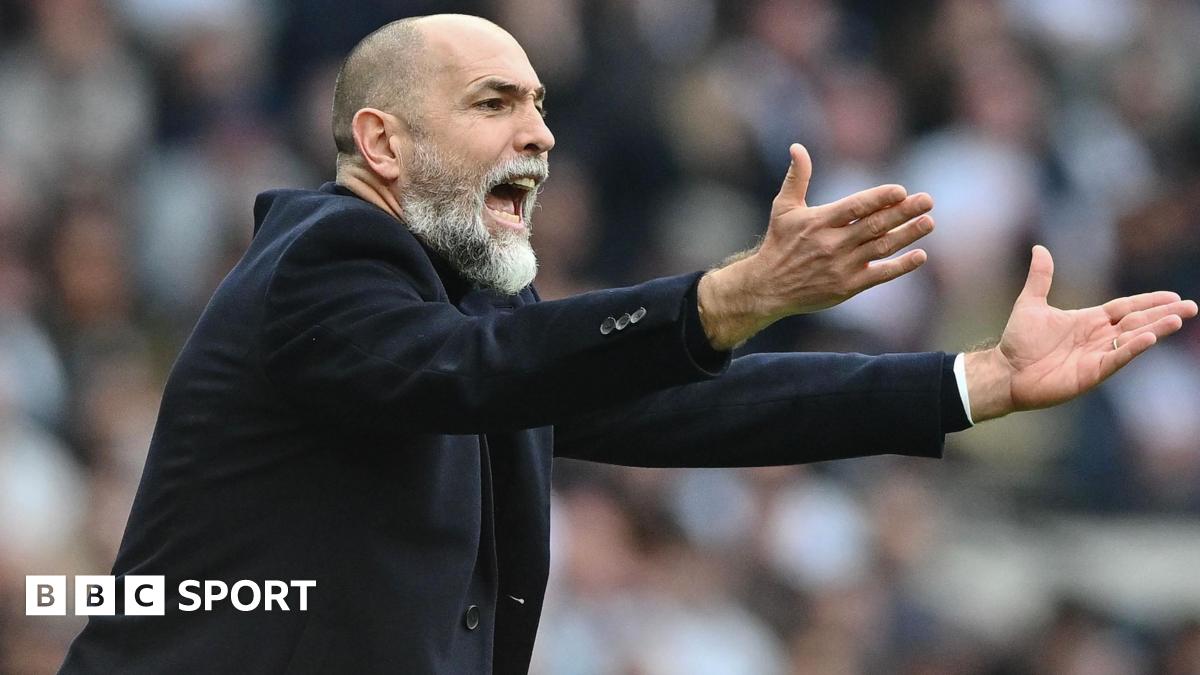
Tottenham's 44-day fever dream is over and the cleanup starts now
1 month, 4 weeks ago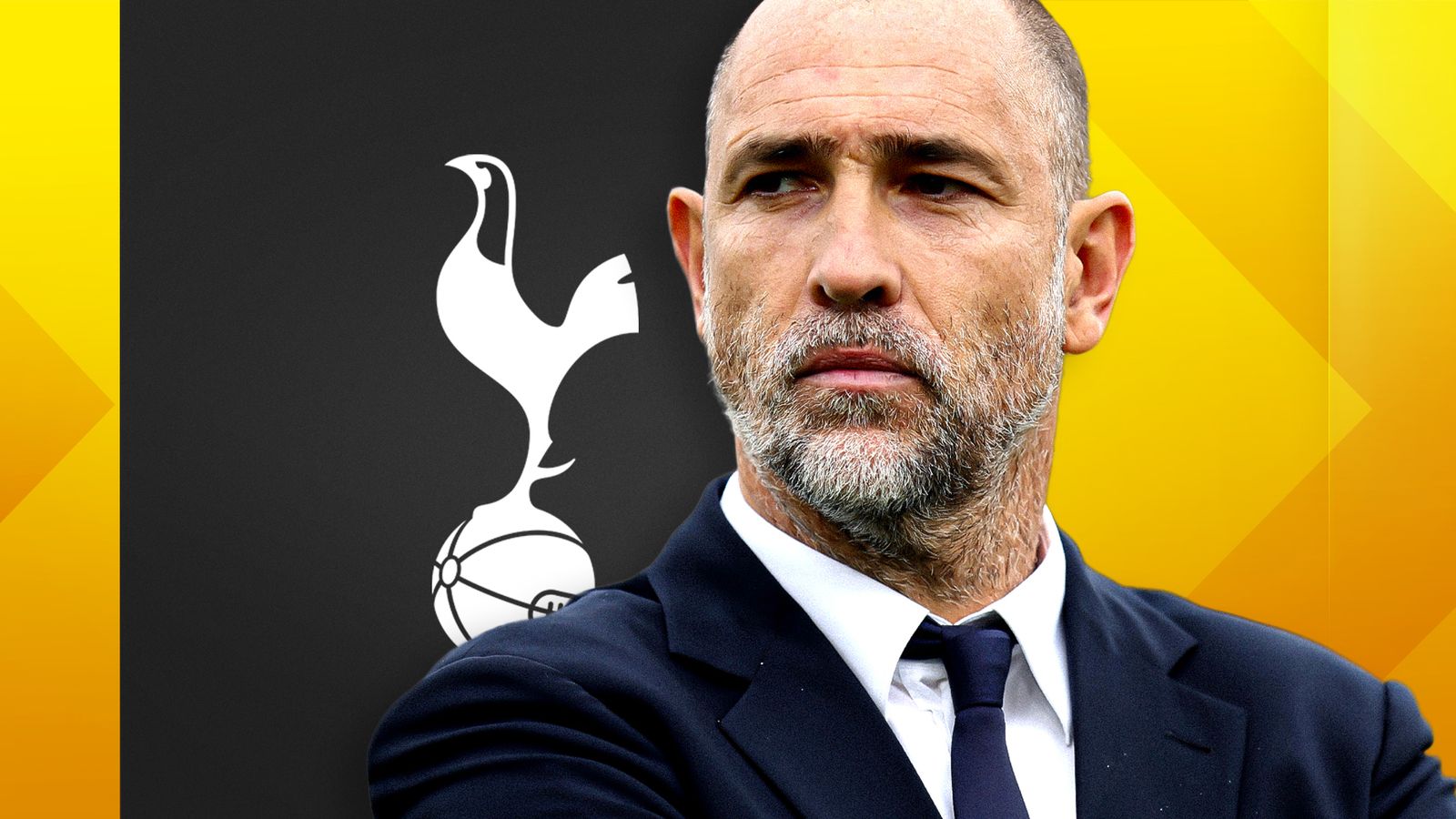
Spurs have sacked Igor Tudor, and the underlying numbers explain exactly why
2 months ago
Daniel Levy is about to gamble the house on Roberto De Zerbi
1 month, 4 weeks ago