England struggle against the elite
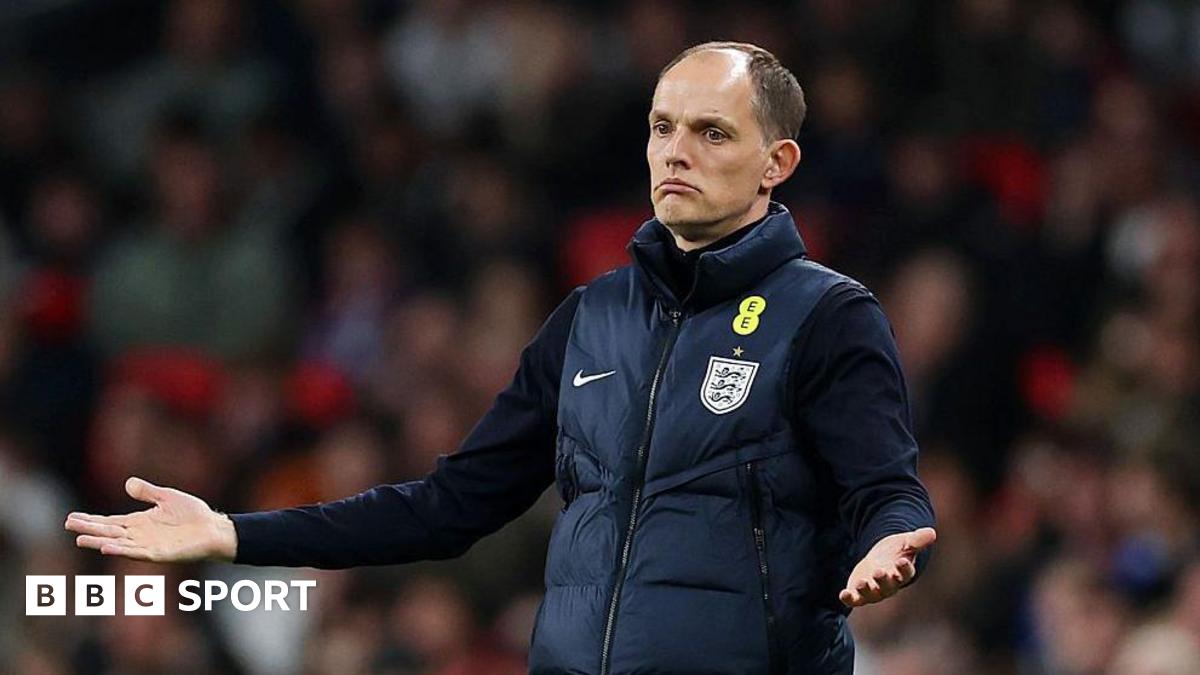
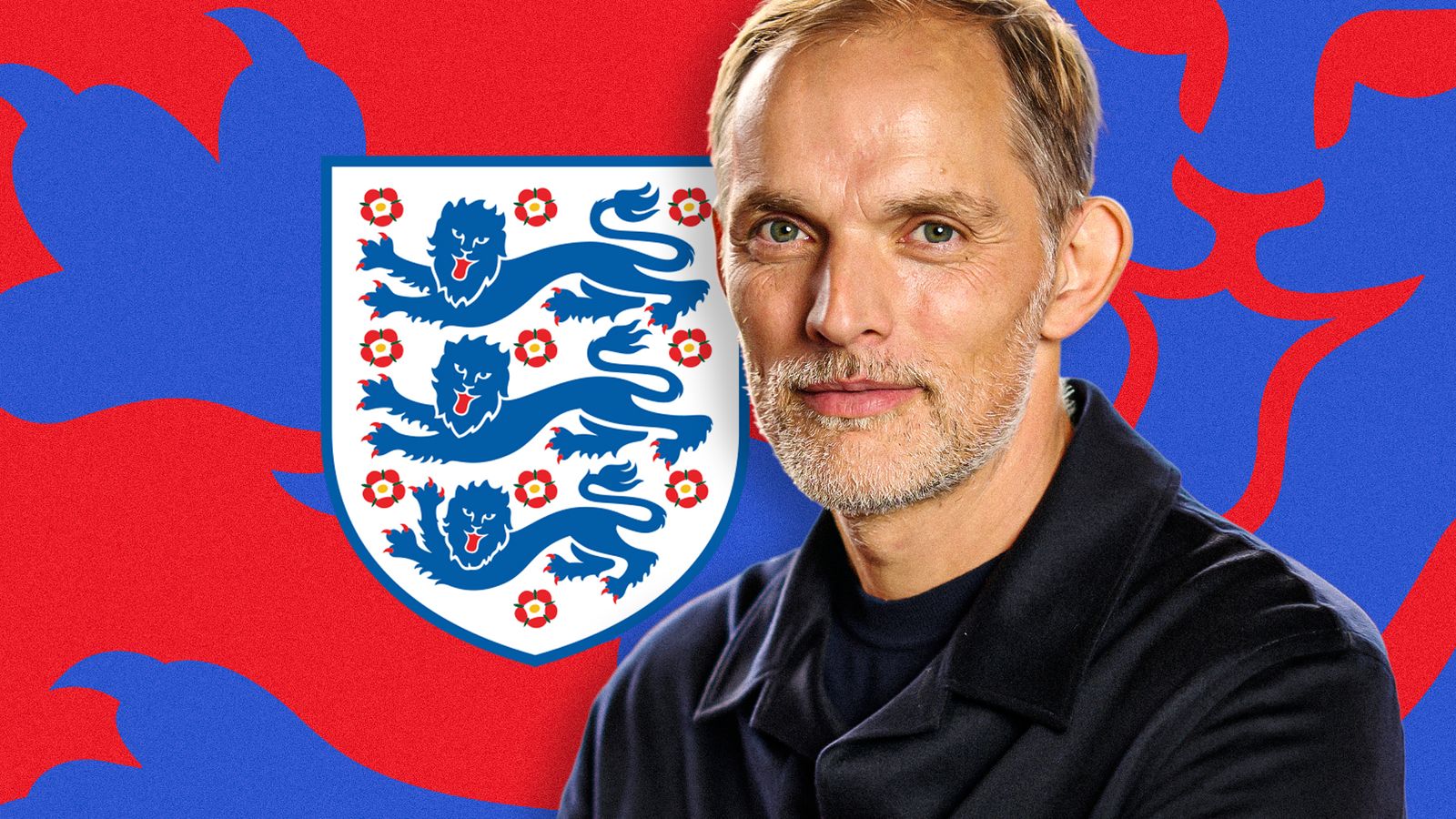
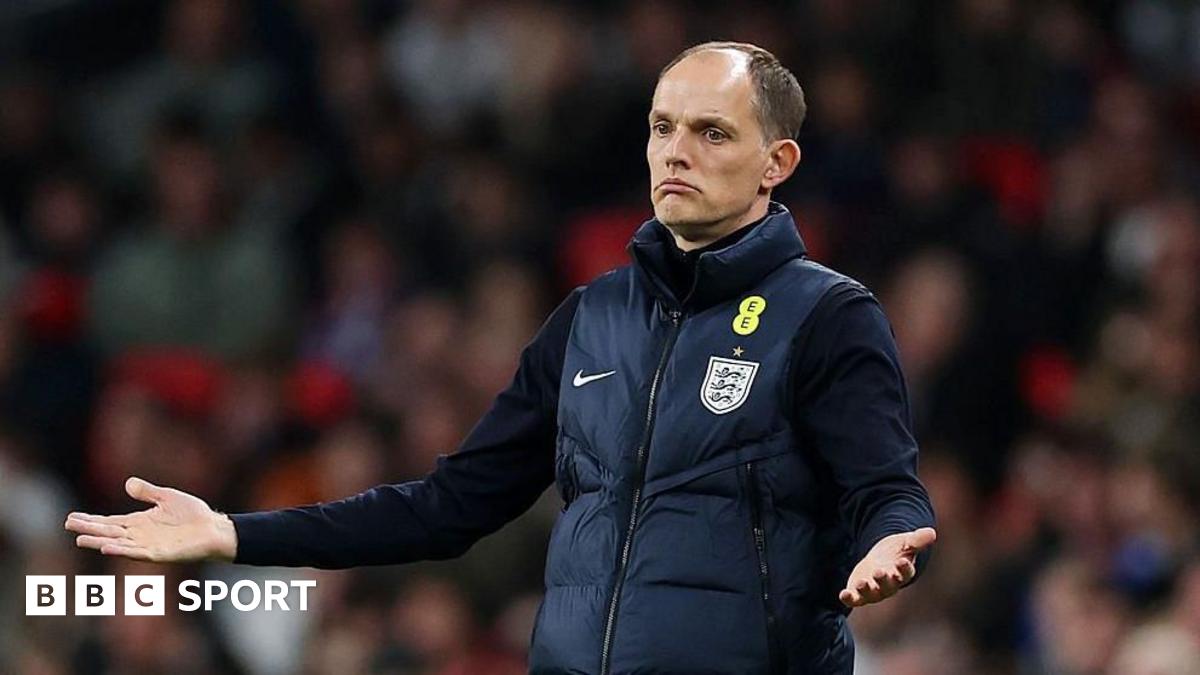
Thomas Tuchel currently faces a cold reality check as his England side gears up for the 2026 World Cup. The numbers are damning: under his tenure, the Three Lions have failed to secure a single victory against a top-20 ranked opponent. With kickoff scheduled for June 11, 2026, time to stabilize the ship is vanishing.
This lack of teeth against high-caliber opposition is not just a statistical anomaly. It reflects a tactical rigidity that elite sides are learning to exploit. While England cruises through matches against lesser FIFA-ranked nations, the vacuum of success against peers suggests a team hitting a ceiling exactly when they should be bursting through one.
England have not beaten a side ranked in the top 20 under Tuchel and head into the World Cup with questions about their performance.
The sentiment reported by the BBC highlights a team lacking the killer instinct required in knockout football. Tuchel built his reputation on defensive steel and grinding results, yet that identity appears stagnant in the international fold. When the stakes rise, the tactical nuance often required to break down disciplined, top-tier organizations seems absent.
Midfield inertia or tactical mismatch?
Critics point to the lack of fluidity in the transition phase as the primary culprit. Tuchel often forces his teams into symmetrical shapes that simplify the defensive task for sophisticated managers. If the opposition is organized, England struggles to find the pockets of space needed to punish them. It remains a frustrating watch for fans expecting a more dynamic output given the individual depth of the squad.
There is also the matter of the upcoming international calendar. With no major fixtures against top-20 opponents on the immediate horizon, Tuchel has a limited window to experiment. He risks heading into the summer with a squad that has never solved the riddle of beating a formidable opponent under his specific brand of management.
The fan perspective on the domestic run-in
Away from the international malaise, the domestic title race provides its own brand of chaos. Fans are split on whether the three-horse race for the Premier League title is a sign of high quality or institutional fatigue. Recent discourse on fan-driven podcasts underscores a sense of anxiety surrounding the final match weeks. Supporters are exhausted by the constant pivot from refereeing controversies to tactical tinkering.
The pressure is mounting as the season enters its final act. Teams are beginning to show signs of physical burnout, and the margin for error has evaporated. For the fans, every dropped point feels like a death sentence to title aspirations. The consensus reflects deep skepticism about officiating standards, which remains a constant theme in every post-match analysis this season.
Missing the mark in high-leverage moments
Tuchel must acknowledge the reality that his England tenure has yet to produce a signature win. While tournament football often requires a different gear, historical precedent suggests that teams entering a World Cup without a scalp from the elite top-20 are rarely the ones lifting the trophy. The reliance on individual moments of brilliance hides the lack of systemic progression against quality.
He has roughly 71 days to fix this identity crisis before opening the World Cup. If the upcoming camp doesn't yield a more aggressive setup, the public will be quick to turn. Tuchel is not currently maximizing the potential of his personnel, and that is a failure that will be scrutinized heavily once the tournament begins. In modern football, reputations are forged in the big games, and right now, England is coming up quiet every time they face a test.
The defensive stability Tuchel craves is only valuable if it serves as a platform for an attack that actually functions. Currently, the attack looks isolated and frequently turns to lateral passing when the path through the middle is blocked. This creates a predictable flow that elite defenders find easy to navigate. Unless he introduces a legitimate plan B—or learns to trust his creative pivots in congested areas—England will be an early exit candidate in this upcoming cycle.
Read Next
- Thomas Tuchel's England tenure is already hitting turbulence
- England's Harry Kane dependency is a statistical trap
- Thomas Tuchel's England project looks like a total disaster
- Thomas Tuchel has a major England problem before the World Cup
- 🏆 World Cup 2026 — Full Coverage Hub
- 🏴 England World Cup 2026 — Three Lions Hub