The Big Picture
Manchester United’s search for a permanent successor to lead the club into the 2026/27 season has narrowed to a high-stakes shortlist. While the interim results under Michael Carrick have stabilized a fractured dressing room, the Old Trafford hierarchy is weighing the allure of elite European experience against the tactical momentum of the current regime.
1. Michael Carrick
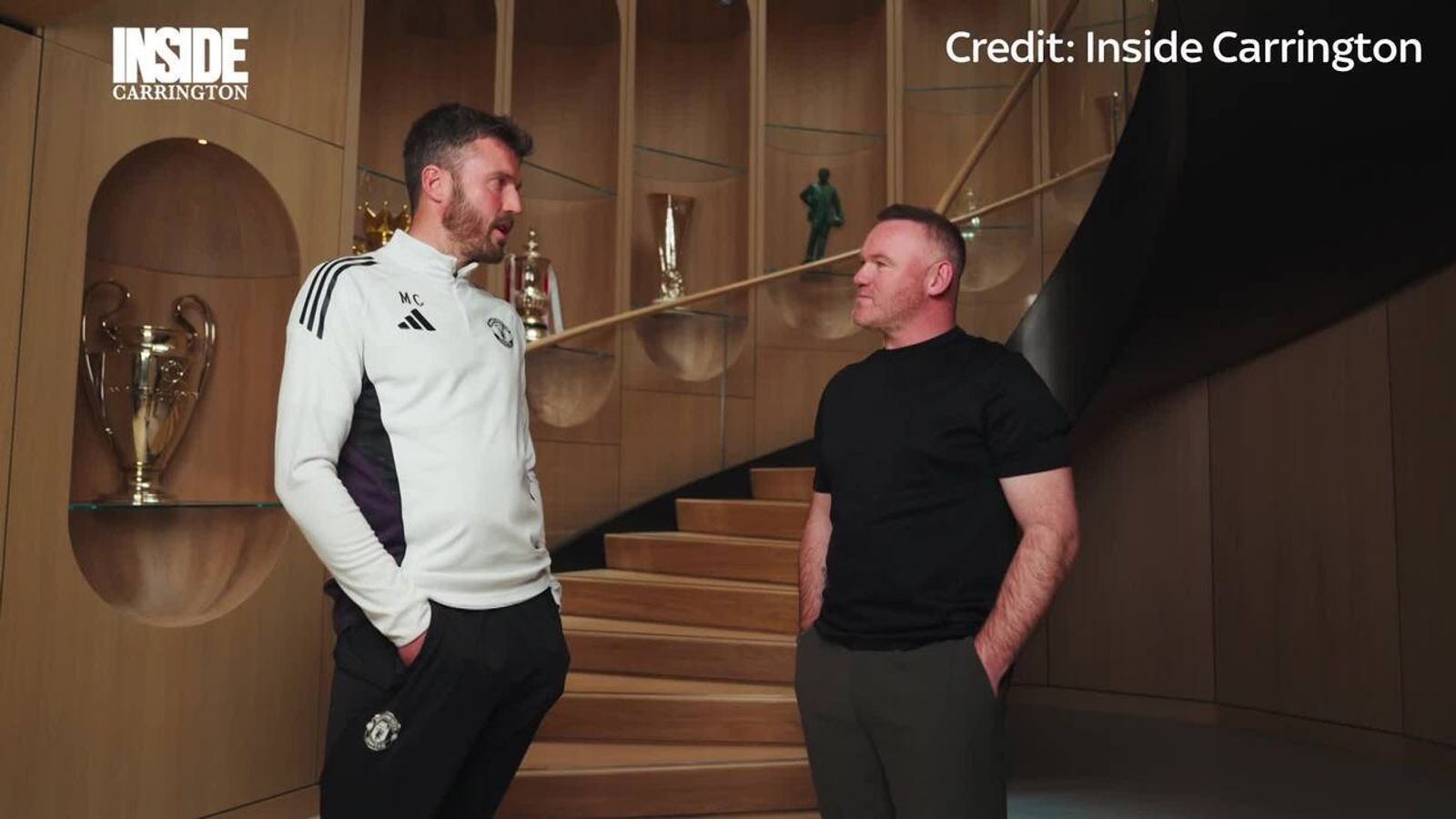
The current interim boss has moved from a placeholder to the definitive frontrunner. As Football365 reports, Carrick is now the clear favorite after a stunning run of form that has seen United climb back into Champions League contention. His familiarity with the squad and his calm demeanor have mirrors of the early Solskjaer era, but with a more sophisticated tactical floor.
Critics point to his lack of a trophy-winning CV as a head coach, but the players have responded to his specific training ground drills. The board is reportedly impressed by his ability to integrate youth talent without compromising defensive stability. If he secures a top-four finish, the job is likely his to lose.
2. Xabi Alonso
Alonso remains the dream appointment for many within the United executive suite. His work at Bayer Leverkusen has redefined tactical flexibility in the Bundesliga, blending high-possession control with lethal transition play. He represents the modern elite profile: young, decorated, and capable of building a multi-year project from the ground up.
The primary hurdle is his connection to Liverpool and interest from other European giants. United would need to present a perfect sporting project to lure him away from a settled environment in Germany. He is the only candidate who could realistically demand total control over recruitment from day one.
3. Ruben Amorim
The Sporting CP manager has been on United's radar for over 18 months. His 3-4-3 system is rigid but effective, having broken the Benfica-Porto duopoly in Portugal with clinical consistency. Amorim’s ability to maximize the output of wing-backs and develop high-value exports makes him an attractive proposition for a club looking to balance the books.
However, the tactical shift required to move United’s current squad into a back-three system is a significant risk. There are concerns about whether his success in Lisbon translates to the scrutiny of the Premier League. He is a high-ceiling choice that would require a complete overhaul of the defensive personnel.
4. Thomas Frank
Frank has transformed Brentford from an analytical experiment into a Premier League staple. His tactical intelligence is arguably the highest in the division relative to the resources at his disposal. He is a specialist in set-piece design and mid-block defensive structures, areas where United have historically struggled during the post-Ferguson era.
The question is whether he can manage the massive egos in the United dressing room. Leading a pluck underdog is a different discipline than navigating the political minefield of Carrington. He is the pragmatic choice for a club that needs to stop the bleeding and find a clear identity.
5. Kieran McKenna
A return for the former United first-team coach would be a full-circle moment for the Ipswich Town manager. McKenna’s rise through the divisions has been nothing short of meteoric, characterized by an aggressive, high-pressing style. He knows the inner workings of United better than any external candidate on this list.
Despite his brilliant work at Portman Road, the jump to the top job at Old Trafford might be premature. His previous stint at the club was during a period of significant underachievement, which could cloud his standing with the supporters. He remains a dark horse who could be paired with a more experienced Sporting Director.
6. Zinedine Zidane
Zidane is the perennial "break glass in case of emergency" candidate. His record of three consecutive Champions League titles at Real Madrid is an unparalleled achievement in the modern game. He doesn't offer a complex tactical philosophy, but he provides the aura and authority that United often lacks.
His reluctance to manage in England remains the biggest obstacle. Zidane has historically prioritized jobs in France or Spain, and his limited English would be a hurdle in the high-pressure media environment of the Premier League. He is the glitz-and-glamour choice that would satisfy sponsors but might lack long-term substance.
7. Roberto De Zerbi
The Italian is a tactical maverick whose commitment to playing out from the back is almost fanatical. When his teams click, they produce the most attractive football in Europe, utilizing bait-and-press triggers that baffle opposition midfields. He would certainly bring the "identity" that United fans have craved for a decade.
The downside is his volatile temperament and the defensive fragility his systems often invite. United's current center-backs are not naturally suited to the extreme risks De Zerbi demands in the first phase of buildup. He is a high-risk, high-reward appointment that could either lead to a title or a total collapse within six months.
8. Simone Inzaghi
Inzaghi’s work with Inter Milan has proven he can compete at the highest level on a restricted budget. He is a master of the 3-5-2, guiding Inter to a Champions League final and a dominant Scudetto win. His teams are physically imposing, aerially dominant, and exceptionally well-drilled in transition.
The lack of Premier League experience is a recurring theme, and his English is reportedly a work in progress. While his tactical acumen is elite, United have historically preferred a four-back system to maintain their attacking traditions. He represents a continental shift that the board might be too timid to execute.
9. Unai Emery
Emery has rebuilt his reputation at Aston Villa, proving that his difficult spell at Arsenal was an outlier. He is a meticulous analyst who can dismantle elite opponents with specific, game-by-game adjustments. His success in the Europa League suggests he is the ultimate knockout specialist for a club that needs trophies.
However, Villa’s recent dip in form has cooled the initial links to Old Trafford. There is also the sense that Emery is most effective when he is the biggest personality at a slightly smaller club. At United, the constant noise and external pressure might repeat the issues he faced in North London.
10. Graham Potter
Potter remains a candidate due to his links with the INEOS hierarchy. His work at Brighton was the blueprint for modern, progressive English coaching, focusing on positional play and fluid movement. He is currently available and wouldn't require a compensation package, which is a factor in a world of PSR constraints.
The scar tissue from his Chelsea tenure is hard to ignore. His inability to turn possession into goals at Stamford Bridge is a red flag for a United side that already struggles with clinical finishing. He is the safe, corporate choice that would likely underwhelm a fanbase expecting a world-class appointment.
Honorable Mentions
Gareth Southgate remains a favorite of the ownership group but lacks the club-level tactical edge required for a modern rebuild. Julian Nagelsmann is technically brilliant but seems committed to the German national team through the next tournament cycle. Lastly, a shock return for Jose Mourinho is whispered in some circles, though the bridge-burning of 2018 makes that a logistical and PR nightmare.