The Big Picture
The first quarter of 2026 discarded the illusion of squad depth, leaving only the tactical rigidity of high-stakes management behind. Success in these three months required more than talent; it required the cold endurance of a coach willing to burn bridges for consistency.
10. The Enzo Fernandez internal ban
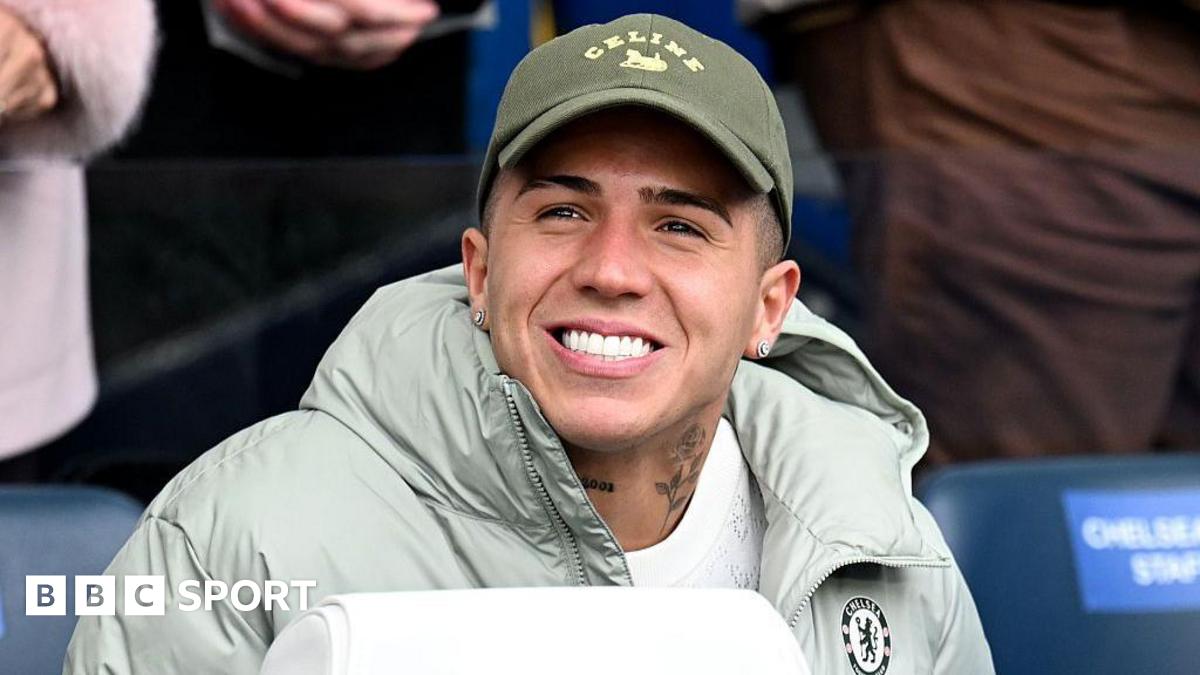
Liam Rosenior dropped the hammer on his record-signing midfielder, benching Enzo Fernandez for two straight matches due to persistent training ground friction. While fans clamored for his creative output, the decision signaled a shift: Rosenior prioritizes locker-room hierarchy over market value. If this move holds, it dictates Chelsea’s late-season structure, though risking a fallout with ownership. It ranks tenth because it prioritized discipline over immediate results, a rare sight in modern Premier League management.
9. Bayer Leverkusen’s unbeaten streak ends
The invincibles finally fell in January, snapping a historic run that defined German football for nearly two years. The defeat highlighted the fatigue of an exhausting schedule that saw their core rotation move at half-speed for weeks. It was a structural collapse rather than a fluke, proving that tactical innovations have shelf lives. Losing the edge removed the aura of inevitability that propelled them to their previous titles.
8. Real Madrid’s midweek remontada
Trailing 2-0 against a disciplined defensive unit, Madrid flipped the script with three goals in fifteen minutes at the Bernabeu. While the result was impressive, it relied on a defensive lapse from the opposition rather than superior build-up play. Some critics argue Madrid is playing with fire, leaning too heavily on individual brilliance to paper over mid-game tactical voids. The club remains dangerous, but this performance was an outlier in their otherwise methodical season.
7. The FA Cup VAR overhaul
The mid-season decision to remove video assistance for minor subjective calls returned agency to on-field officials. Fans saw immediate changes in game flow, as the stoppage count dropped by nearly 30% per match. However, the inconsistency remains a lingering headache for lower-league clubs without high-speed camera coverage. It was a necessary correction, though the implementation feels half-baked compared to continental standards.
6. The Milan derby draw
Both teams played with reckless abandon, resulting in a 2-2 thriller that saw both sides neglect their defensive shapes. The lack of tactical discipline was refreshing for spectators but a nightmare for technical directors scouting for summer reinforcements. It proved that in high-pressure environments, technical ability often trumps defensive systems. It ranks middle-tier because neither team walked away with a significant advantage.
5. The Premier League points deduction
The league office finally applied a firm penalty to clubs violating spending thresholds, shocking the table overnight. This move shifted the focus from the pitch to the boardroom, forcing teams with deep pockets to sell assets before the spring deadline. Engineers of these financial models were caught off guard by the sheer speed of executive action. Transparency was the goal, though the chaos it introduced was significant.
4. The rise of the high-press 3-5-2
Mid-tier clubs adopted this aggressive formation to neutralize possession-heavy giants, causing massive upsets across Europe. It works because it forces teams like Manchester City to play wider than preferred, breaking up their central passing lanes. While effective, the tactical cost is high; most squads lack the stamina to sustain this structure past the 60th minute. It is a desperate, effective strategy that changed how analysts view match preparation.
3. The suspension of international friendlies
FIFA’s decision to cut meaningless March fixtures allowed club managers to stabilize their squads during a taxing season. Injuries trended downward immediately, giving domestic competitions their best quality of play in years. It was a victory for club economics over regional governing bodies. However, it also robbed smaller nations of revenue vital to their internal development programs.
2. The emergence of academy-led squads
With transfer budgets tightening, sides like Brighton and Barcelona successfully integrated U-21 talent into starting rotations. These teenagers are faster and cheaper than the veterans they replaced, creating a shift in how transfer values are calculated. The risk is high, but the reward — in terms of wage bill health — is undeniable. It marks a move away from the 'big name' recruitment model that defined the previous decade.
1. Liam Rosenior’s tactical pivot
By forcing the Enzo Fernandez issue, Rosenior redirected the narrative regarding his tenure at Chelsea, as reported by the Mirror. The move was brutal, public, and arguably necessary to prevent a total loss of authority. He chose the long-term health of the group over the ego of a star, a move that essentially redefined his tenure. No other moment in early 2026 proved that a manager still holds the true power in a dressing room. It is the top moment because it showcased raw managerial authority in an era of player-first marketing.
Honorable Mentions
The return of terrace standing sections in the Bundesliga provided a necessary energy boost to aging stadiums, while the surprise goal-scoring surge of defensive midfielders across the Eredivisie keeps scouts scrambling for data. It is unfortunate these trends lacked the wider historical impact of the Rosenior-Fernandez fallout, but they provided the best viewing experiences of the quarter.