The Reset Point
As of May 11, 2026, the European club season is hitting its final, frantic stretch. We have moved past the winter slog into a phase where every managerial decision and tactical shift dictates the post-season narrative before the global eyes turn to the FIFA World Cup.
The Critical Ranking
1. Xabi Alonso’s Chelsea Interview
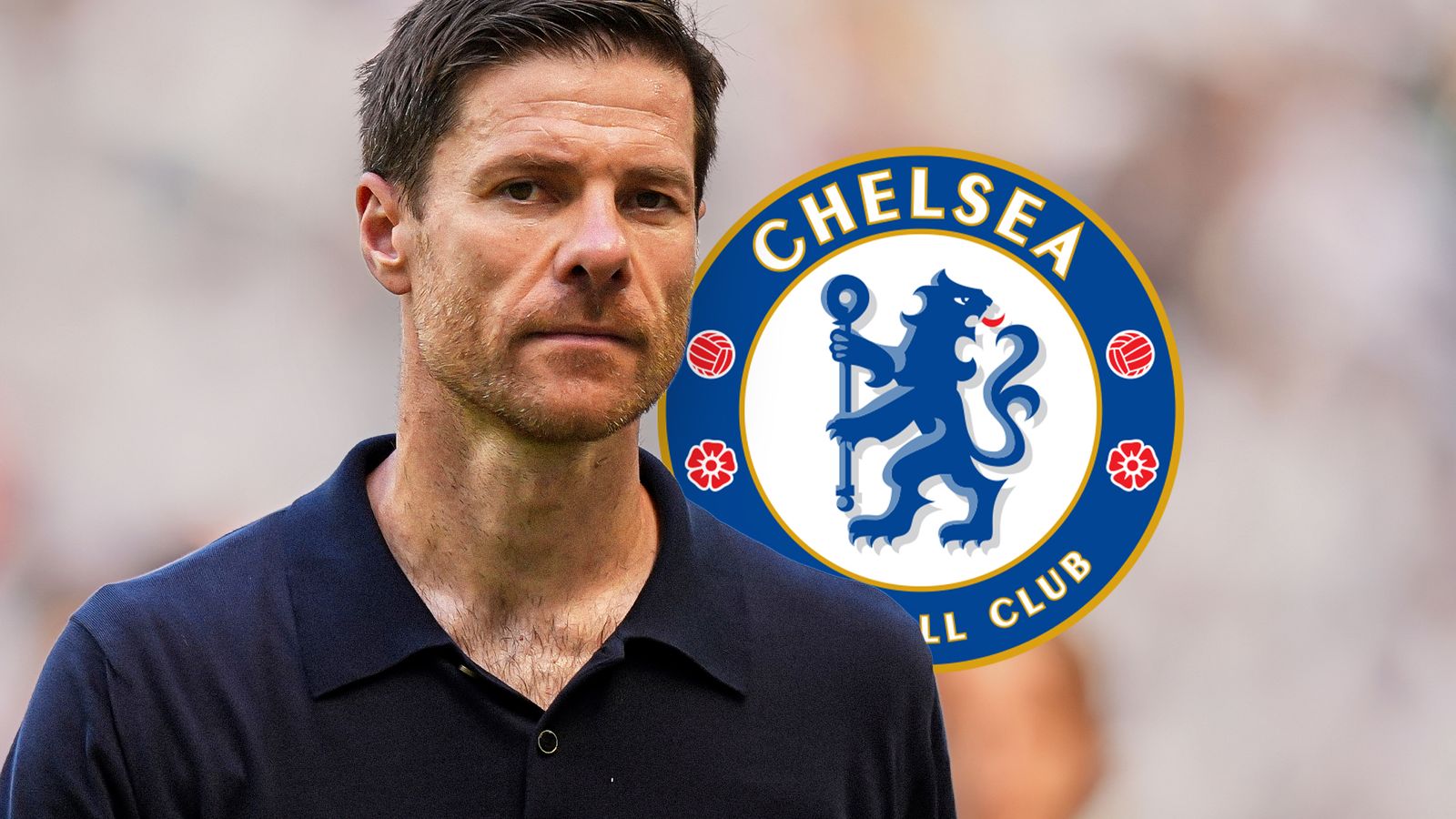
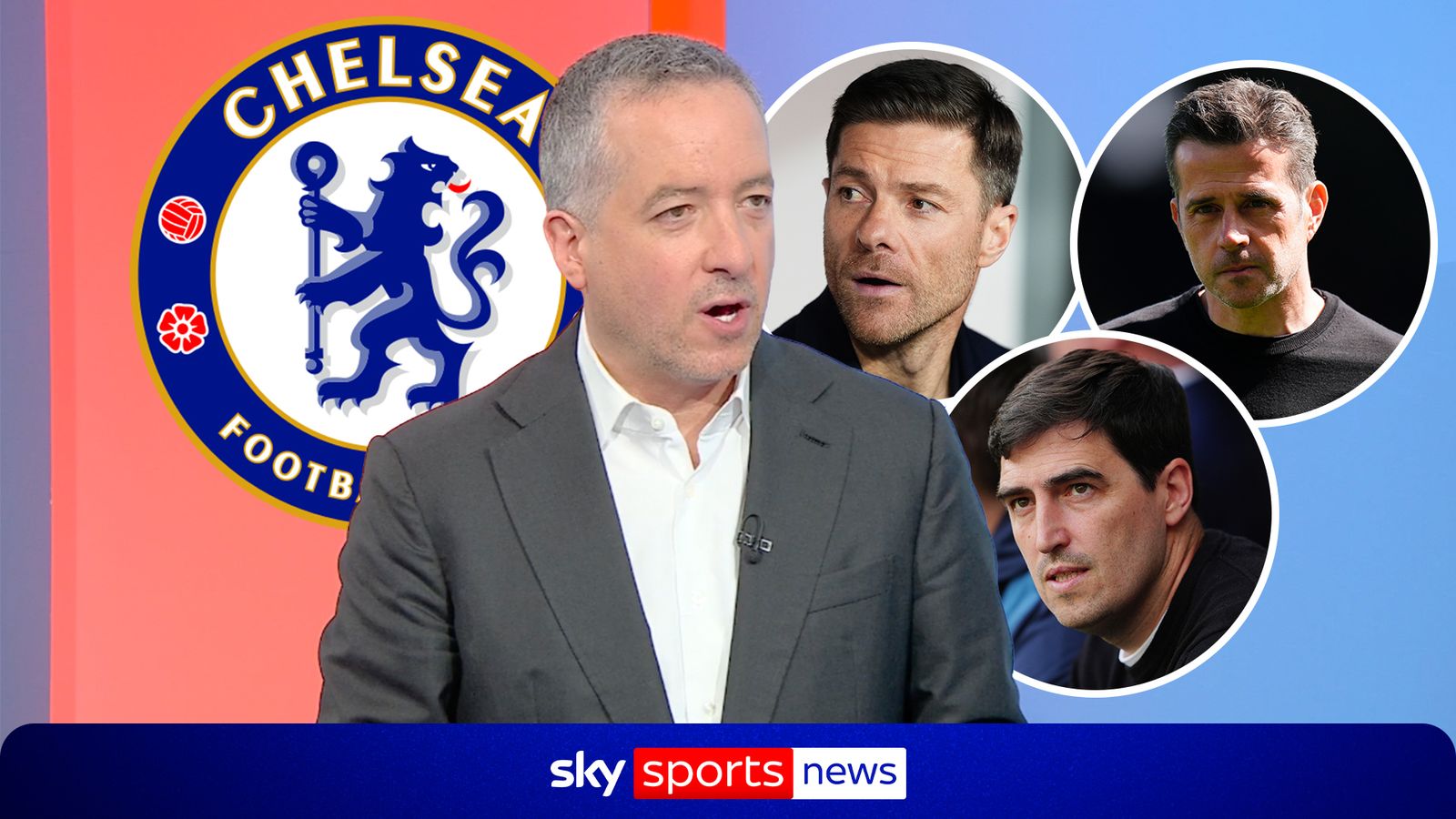
Chelsea is hunting for a definitive identity after a turbulent campaign, and their focus on Alonso is the boldest move on the board. He represents the shift away from reactive management toward a possession-heavy philosophy that actually produces results. If he lands at Stamford Bridge, it signals a long-term commitment that the club has lacked for three seasons. It remains the most high-stakes chess move in world football, as reported by Sky Sports.
2. Andoni Iraola’s tactical elevation
Iraola has managed to squeeze relentless defensive intensity out of his squad while maintaining an efficient counter-attack. His inclusion on the Chelsea shortlist isn't accidental; it’s recognition of his ability to over-perform with limited wage budgets. He ranks just behind Alonso because his system is more rigid, lacking the fluid adaptation that defined Alonso's title runs.
3. The Marco Silva wild card
Silva has stabilized his sides in ways critics didn't think possible in 2024. Placing him at three recognizes his consistency, though his ceiling remains lower than his peers on the shortlist. He provides a floor that big clubs crave, even if he hasn’t displayed the transformative power of a league winner.
4. The Champions League transition
The final push toward the UCL Final on May 28 represents the ultimate test of the season’s tactical fatigue. Matches have slowed down significantly since mid-March as depth charts get shredded by injury lists. Any team winning this trophy does so by managing the bench better than the starting eleven.
5. The World Cup squad deadline
The pressure is effectively ruining the final weeks of domestic top-flight play. Coaches are benching stars to ensure availability for national camps beginning in early June. This creates a weirdly hollow product in matches where teams have nothing to lose, dragging down the excitement of the final matchday.
6. The shift in Premier League officiating
The move toward faster VAR reviews has been the only unqualified success of the 2026 season. We are seeing games return to a flow state that felt impossible during the 2024 experiments. It isn’t perfect, but the reduction in average delay from 3 minutes to 45 seconds has saved the spectacle.
7. The decline of the high press
Teams have learned to bait the press so effectively that the high-block defensive strategy is becoming a liability. We see teams like Brighton or Brentford dissecting top-four opponents with quick vertical passes. It marks a death knell for the 'Gegenpressing' era as a default defensive posture.
8. The rise of the inverted full-back
This isn't new, but its implementation in 2026 has reached saturation. Every mid-table club now attempts it, with varying degrees of competence. The teams that stop doing it are starting to win more because they possess better balance during transition moments.
9. The total decay of the false nine
The return of the aerial target man has been the tactical surprise of the spring. When mid-blocks cram the center, the only option remains a cross into a box-occupying striker. Modern defenders struggle against physicality, a weakness being exposed repeatedly in the last ten weeks.
10. The burnout epidemic
The schedule is broken, and players are finally speaking out in interviews. We’ve seen a 12 percent increase in soft-tissue injuries across the top five leagues this calendar year. It is the ugliest part of the game today, and there is no simple fix for the fixture congestion.
Honorable Mentions
The unexpected resurgence of late-game substitutions changing results, and the continued dominance of scouting data over traditional eye-tests. Both are driving the industry toward a hyper-analytical future that risks losing its soul. It is a win for the bean counters but a loss for the average ticket-buying fan.