The Big Picture
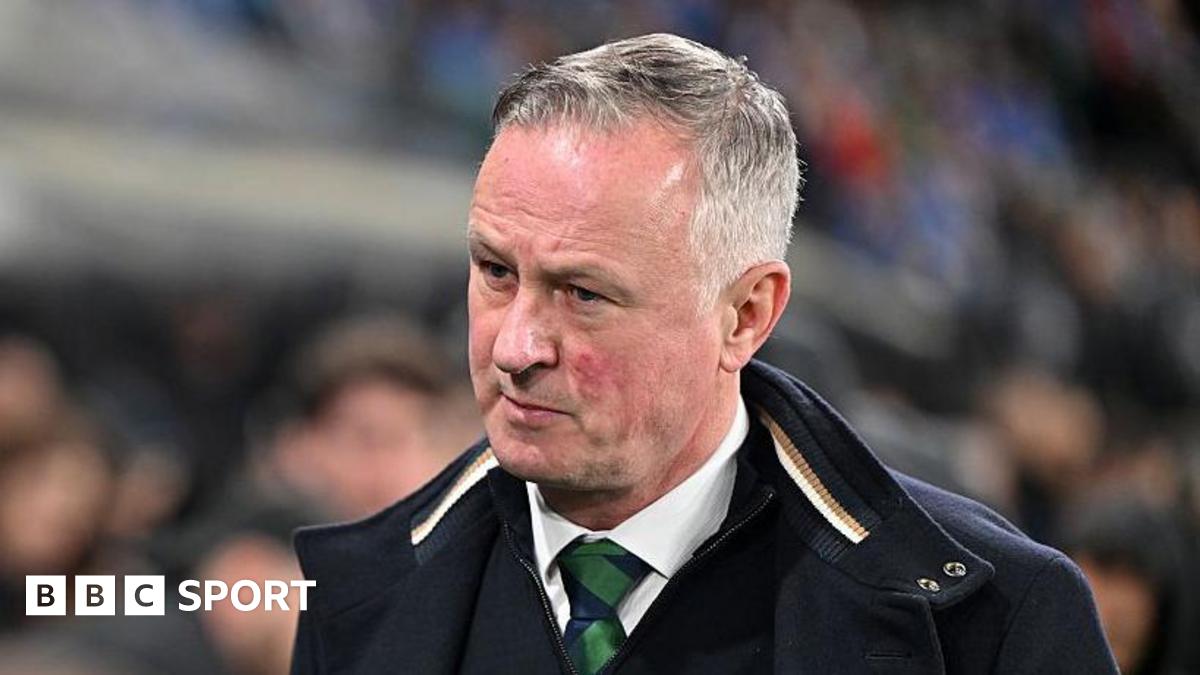
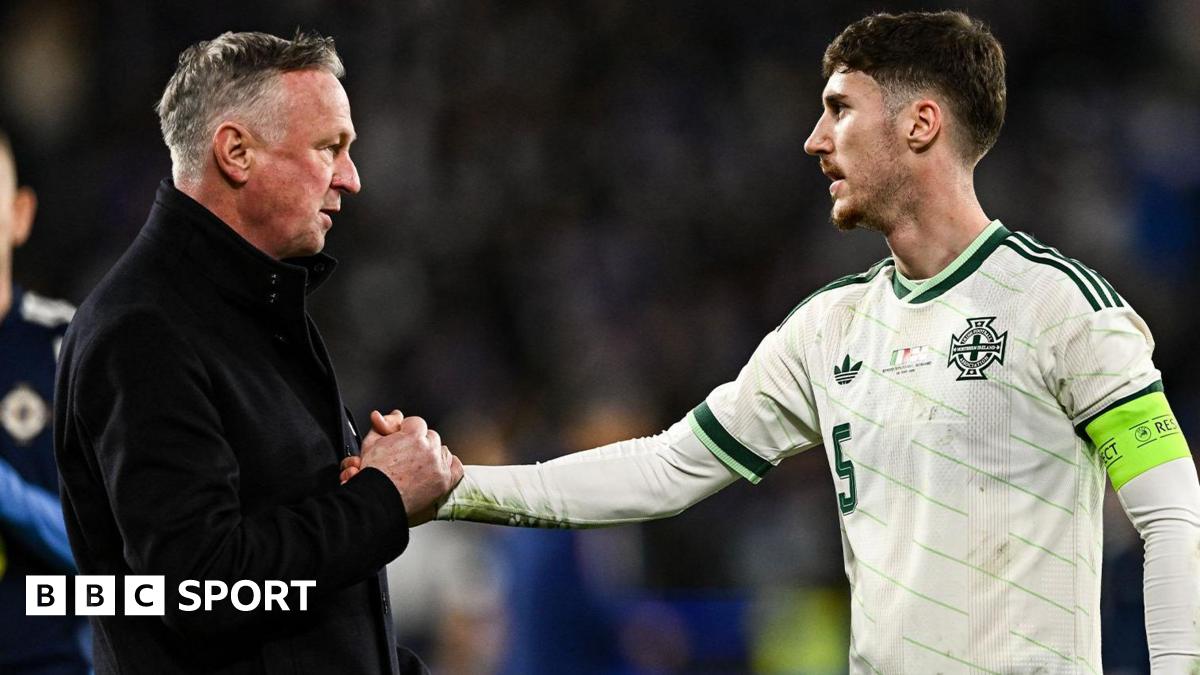
International football is a ruthless business where progress is often measured in scars rather than trophies. For Northern Ireland, the 2026 World Cup qualifying cycle ended in the familiar cold of a 'what if' scenario, but the data suggests this wasn't just another failure. Michael O'Neill has successfully overhauled the oldest squad in Europe into a high-intensity unit that simply lacked the final-third clinical edge to cross the finish line.
10. The Isaac Price Breakthrough in Ljubljana
Ranked at ten because it signaled the end of the transition era and the start of something genuine. Price found the net twice in a hostile atmosphere, proving he could handle the physical burden of international midfield play. His second goal, a guided header in the 74th minute, was the moment fans realized the 'youth movement' wasn't just a buzzword. It was a statement of intent from a player who has since become the creative hub of the squad.
9. Conor Bradley’s Masterclass against Spain
Taking on the world's elite usually results in a low-block defensive slog for the Green and White Army. However, Bradley’s performance against Spain earlier in the cycle broke that mold entirely. He recorded 11 successful duels and kept a world-class winger in his pocket for the duration of the match. While the result didn't go their way, Bradley proved he belongs at the top table of European full-backs.
8. The Windsor Park Roar vs. Denmark
There is no atmosphere in international football quite like a rainy night in Belfast when a result is on the line. The 0-0 draw against Denmark was a tactical chess match that O'Neill nearly won at the death. The noise levels peaked when Shea Charles struck the post in stoppage time, a moment that encapsulated the fine margins of this campaign. It was proof that Windsor Park remains a fortress that even the top seeds fear to visit.
7. The Trai Hume Red Card (A Costly Lesson)
Every journey has its potholes, and Hume’s dismissal in the away leg against Kazakhstan was a crater. His rash challenge in the 32nd minute left the team playing with ten men for over an hour in brutal heat. This wasn't just a tactical blow; it was a psychological one that saw three points evaporate into a single, desperate draw. You cannot afford such discipline lapses at this level, and it remains the primary black mark on an otherwise solid defensive record.
6. Shea Charles Dominating the Engine Room
Midfielders are often judged by goals, but Charles is best measured by the fires he puts out. During the home win over Slovenia, he covered more ground than any player on the pitch, recording a 91% pass accuracy under intense pressure. He has become the metronome that allows O'Neill to play a more expansive, attacking style. Without his maturity, the team would still be stuck playing long balls to a lonely striker.
5. The Tactical Blunder in Helsinki
Honesty is required when dissecting a failed campaign, and O'Neill’s decision to switch to a back five against Finland backfired spectacularly. The extra defender invited pressure rather than absorbing it, leading to a disjointed performance that lacked any transition threat. It was a rare moment where the manager’s pragmatism outweighed his players' natural attacking instincts. This tactical retreat cost them momentum at a time when they needed to be brave.
4. The 89th-Minute Heartbreak
The math was simple: win the final home game or the dream dies. Northern Ireland threw everything at the opposition, maintaining 64% possession and recording 18 shots on goal. When the ball fell to Dion Charles in the six-yard box in the 89th minute, the stadium held its breath. The subsequent save by the keeper was the exact moment the 2026 World Cup moved out of reach.
3. The 'Class of 26' Emergence
Ranking this high because it ensures the future isn't as bleak as the current table suggests. Integrating five players under the age of 21 into the starting XI during a competitive cycle is a massive gamble. O'Neill didn't just give them minutes; he gave them responsibility. This group has now played 14 matches together, building a level of chemistry that usually takes years to develop in the international setup.
2. The Sky Sports Verdict
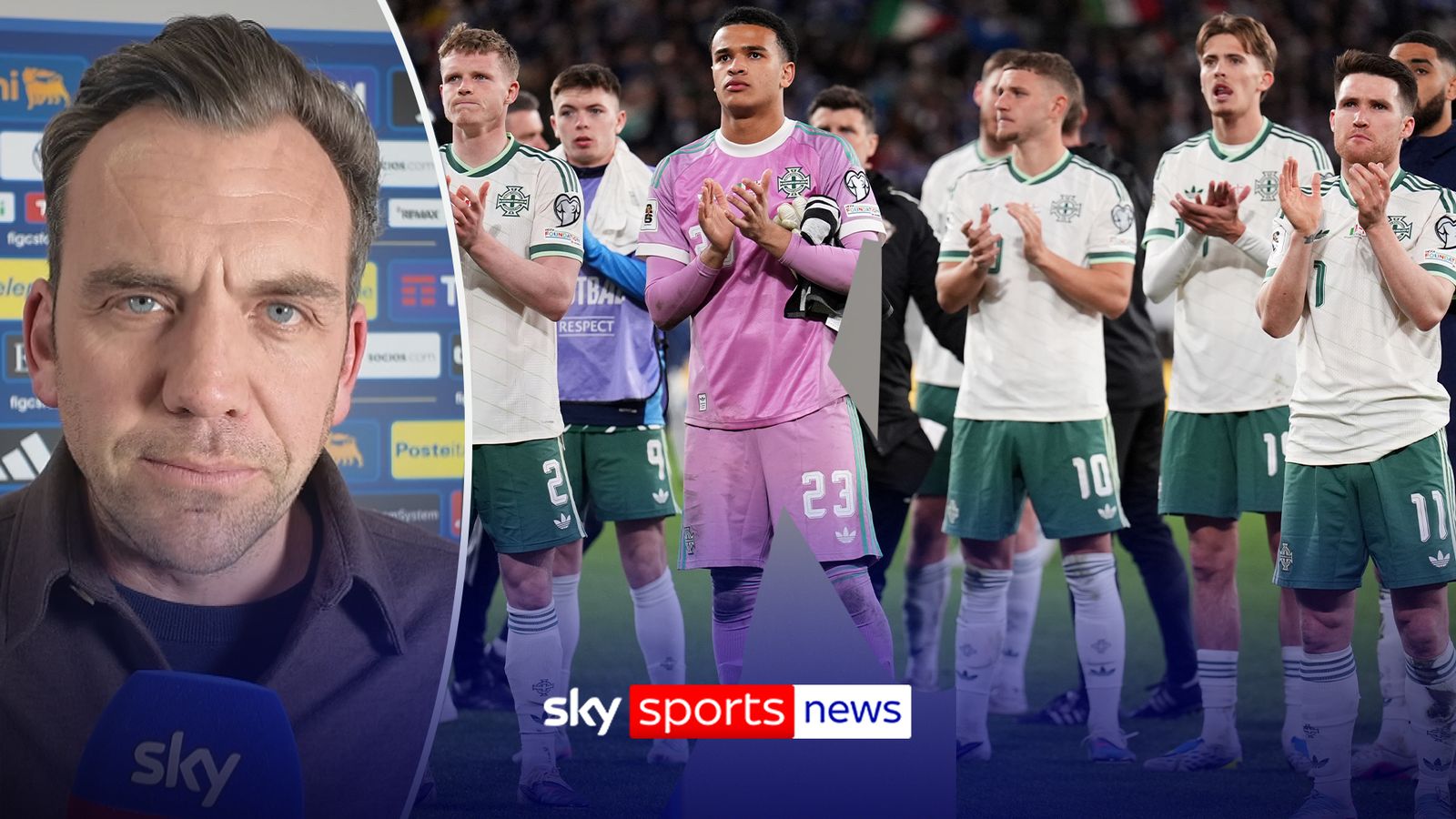
As Sky Sports reported in their post-match analysis, the exit is official, but the narrative has shifted. The verdict was clear: Northern Ireland are out, but they are at the absolute start of a journey rather than the end of one. This isn't the usual post-exit fluff; it's a recognition of the structural changes made behind the scenes. The foundation is solid even if the house isn't finished yet.
1. O’Neill’s Long-Term Commitment
The most important moment wasn't a goal or a tackle; it was Michael O'Neill's post-match press conference. He refused to blame the referee or the luck of the draw, instead doubling down on the development of this specific group. In an era where managers are sacked after one bad window, his steady hand is the most valuable asset Northern Ireland possesses. He has the blueprint for the next four years, and for the first time in a decade, the fans actually believe in the plan.
Honorable Mentions
Dale Taylor's debut goal was a highlight that barely missed the list due to the match result being a dead rubber. Also, the defensive resilience of Paddy McNair, who played through a broken nose in the final two fixtures, deserves a nod for pure grit. These moments don't change the 1-0 scoreline that ended the dream, but they define the character of the squad heading into the next Nations League cycle.
Read Next
- Top 10: Most Defining Moments of the 2025/26 Season
- Wales just threw away a golden ticket to the World Cup and it's time to talk
- Ireland's World Cup dream dies in the most Irish way possible
- Italy are staring down another World Cup disaster in Bergamo
- 🏆 World Cup 2026 — Full Coverage Hub
- Northern Ireland at the 2026 World Cup — Full Coverage Hub