The defining sequence of the modern era
The 2025-26 European campaign has been defined by extreme variance, massive tactical shifts, and high-stakes volatility. We witnessed the fall of established dynasties and the emergence of new power brokers, all building toward the frenzy of summer football.
The Rankings
10. Arne Slot’s Anfield departure
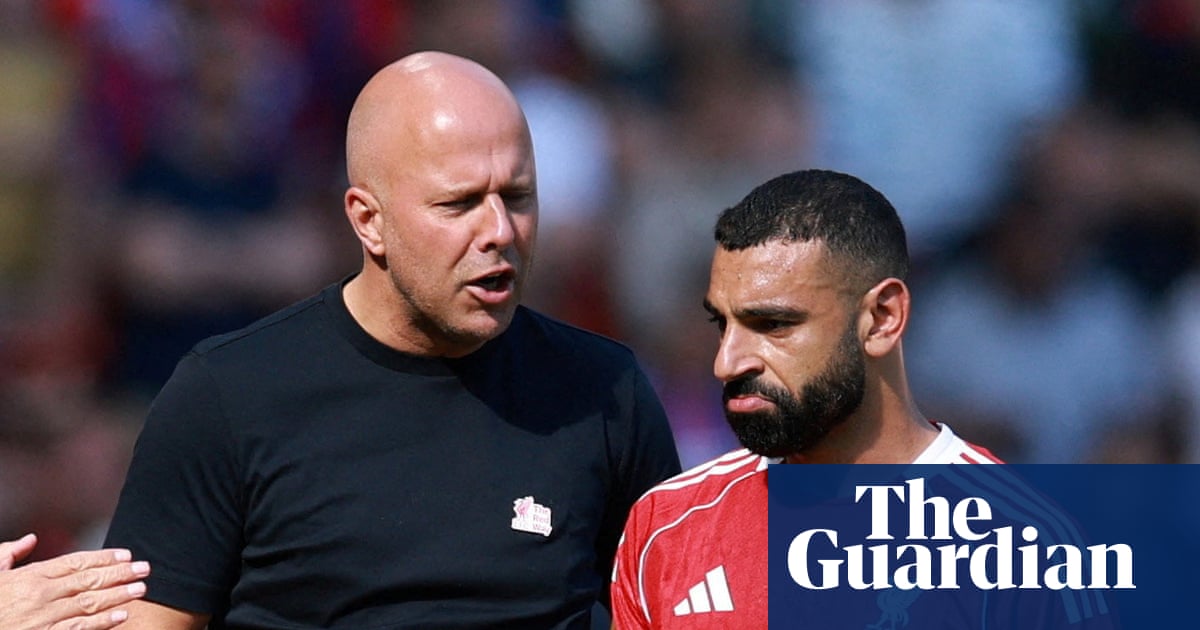
Liverpool confirmed the departure of Arne Slot following a season defined more by internal friction than silverware. Slot struggled to reconcile his rigid tactical philosophy with a squad built for high-octane transition play. His inability to adjust to the injuries plaguing the backline left the supporters disillusioned by mid-March.
This exit signals a fundamental rebuild for FSG. It ranks tenth because the instability stalled a project that looked promising in autumn. The failure to secure Champions League football leaves the incoming manager with a bloated wage bill and an aging midfield.
9. Real Madrid’s UCL Round of 16 collapse
Los Blancos crashed out of Europe against an aggressive Atalanta side that exploited a crumbling defensive line. The 3-1 second-leg defeat at the Bernabeu marked the first time in a decade that Madrid looked technically inferior to a tactical underdog. Carlo Ancelotti’s reliance on veterans over emerging academy talent backfired in spectacular fashion.
This ranks ninth because it destroyed the perceived invincibility of Spain’s biggest brand. The club allowed space between their lines that an amateur team would have exploited. It serves as a grim warning about the consequences of ignoring squad refreshment.
8. Jesse Marsch’s final Canada squad reveal
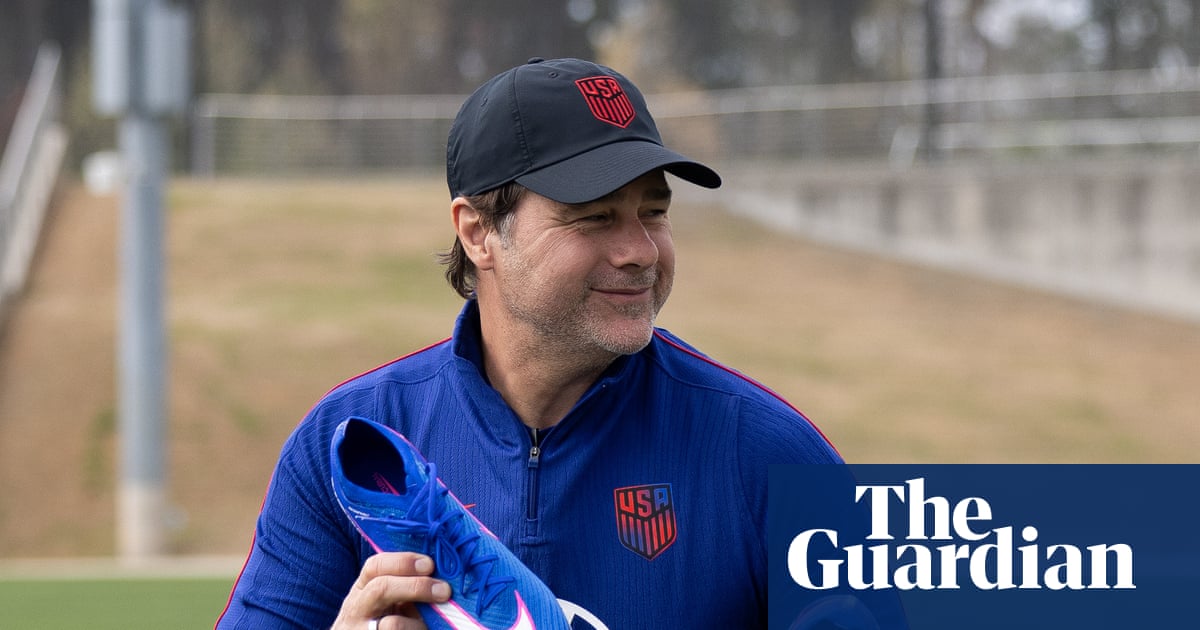
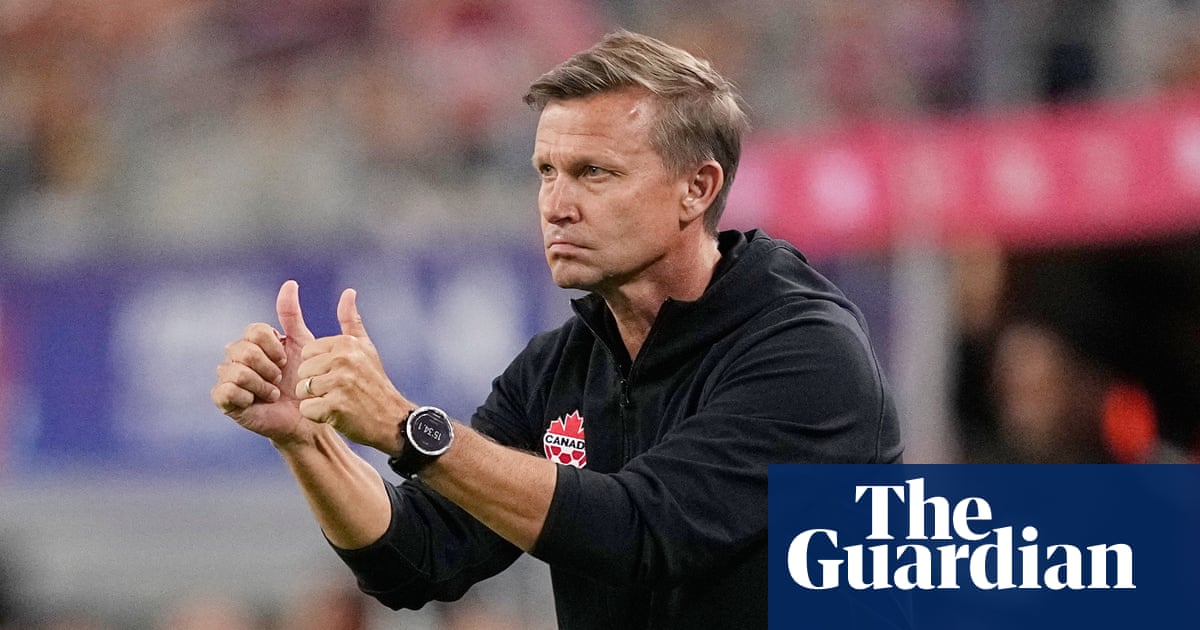
With the 2026 World Cup kickoff just eleven days away, Jesse Marsch finalized his roster yesterday. The inclusion of Alphonso Davies in a more aggressive, advanced role highlights a shift in mentality for the hosts. As The Guardian reported, health concerns forced late-stage debates that could haunt their opening match.
Marsch has bet everything on speed and pure physical output. This ranks eighth because the national pressure cooker is officially live. If this squad fails to exit the group stage, the project will be labeled a disaster before the final whistle sounds.
7. Bayer Leverkusen’s historic collapse
After an unbeaten 2024-25, Xabi Alonso saw his side surrender the Bundesliga title in the final three matchdays of this campaign. A draw against Mainz followed by a loss to Dortmund handed the trophy to Bayern Munich on a silver platter. The physical decline of the starting XI suggested that modern high-press systems have a three-year shelf life at peak intensity.
This ranks seventh because it represents a complete reversal of momentum. Leverkusen lost their composure exactly when the scouting reports dictated they should tighten the screws. A disappointing end to a team that looked like it would challenge for a dynasty.
6. The rise of the 3-box-3 tactical trend
Every major club experimented with a 3-box-3 formation to manipulate the center of the pitch. By pushing fullbacks into midfield, managers successfully neutralized traditional wingers globally. This shifted the power dynamic toward teams with high-IQ central midfielders over speed merchants on the touchline.
It sits at sixth because it made football noticeably more claustrophobic. While tactically brilliant, the game slowed down and scoring chances decreased across the board. It was a year for the thinkers, not the entertainers.
5. Inter Milan’s Scudetto sprint
Simone Inzaghi secured back-to-back titles with a dominant showing of structural discipline. Inter conceded only 19 goals in 38 matches, effectively ending the season as a competitive concern by Easter. Their ability to rotate the squad without losing momentum remains the gold standard in Italy.
This ranks fifth for sheer professionalism in an era of chaos. They didn't just win; they strangled the rest of the league. It is boring to watch, but undeniably efficient.
4. Kylian Mbappé’s shifting trajectory
The saga regarding Mbappé’s future reached a tipping point when PSG failed to make the quarter-finals of the Champions League. His output has stagnated, leading to questions about his tactical fit in a side that lacks a true creative engine. The friction between star power and system loyalty has defined his performance metrics.
This ranks fourth because it influences the destination of the most expensive player on Earth. His inability to carry a squad through a continental crisis is a massive stain on his season. It isn't just a club issue; it's a legacy issue.
3. The North American attendance records
Major League Soccer and regional pre-tournament friendlies shattered attendance figures, proving the appetite for the sport in the USA and Canada. The 82,000 average in host stadiums underscores the massive shift in viewership demographics. This interest is not just superficial; ticket sales for the 2026 World Cup have set an all-time revenue record.
This ranks third because it changes the financial future of the global game. Money follows the crowd, and the crowd has moved to the Americas for the next cycle. It represents a massive expansion of the commercial pie.
2. The Premier League refereeing crackdown
The PGMOL implemented a zero-tolerance policy on dissent and time-wasting that fundamentally changed match pacing. We saw a spike in yellow cards early in the year, which forced teams to adjust their defensive aggression. While initially controversial, the average effective playing time increased by an average of seven minutes per match.
This ranks second because it forced every manager to rethink their approach to game management. It was a necessary correction to a sport hemorrhaging its own integrity through stalling tactics. The improvement in pace was the most refreshing development of the spring.
1. The 2026 World Cup expansion controversy
FIFA’s decision to expand the opening tournament stages created a logistical nightmare that has dominated the headlines this spring. Travel schedules for teams look like a cross-continent relay race, putting the integrity of the group stage in doubt. This is a clear case of commercial overreach damaging the product on the pitch.
This ranks first because it is the most critical story heading into summer. The exhaustion of players taking trans-Atlantic flights for group games is a disaster waiting to happen. The decision prioritized broadcasters over athletes, and it will be the defining mistake of the 2026 cycle.
Honorable Mentions
The emergence of teenage midfielders across the Eredivisie provided the only breath of fresh air in a season of systemic caution. Additionally, the goalkeeper shortage across the big five leagues saw teams relying on emergency loans, which skewed results during the winter months. Neither quite cracked the top ten, but both are trends to watch for the 2026-27 restart.